Roman Emperor Otho
Roman Emepror Otho’s brief reign was emblematic of the chaos and instability of the Year of the Four Emperors. While his rise to power was marked by ambition and intrigue, his death was an act of profound self-awareness and responsibility.

Golden coin of Otho.
Early Life and Background
Marcus Salvius Otho was born on April 28, AD 32, into a noble Etruscan family with deep ties to Roman politics. His grandfather, Marcus, was a senator, and his father, Lucius, was granted patrician status by Emperor Claudius. Despite this prestigious lineage, Otho’s personal traits often drew attention. Ancient accounts, such as those from Suetonius, describe him as short, bandy-legged, and vain to an extreme degree. Juvenal satirized him for his effeminate grooming habits, noting his use of wigs and facial treatments to enhance his appearance.
Despite his later reputation as a self-indulgent courtier, Otho demonstrated political ambition early in life, gaining favor with Emperor Nero. This relationship, however, soured when Nero married Otho’s wife, Poppaea Sabina, and exiled Otho to the governorship of Lusitania in AD 58.
Governorship in Lusitania
In Lusitania, Otho proved to be an effective and capable administrator. His moderate governance earned him respect in the province, though he harbored resentment toward Nero for the personal humiliation he had endured. This resentment would later motivate his involvement in the political upheavals of 68.
Alliance with Galba and the Overthrow of Nero
In 68, when the revolt led by Gaius Julius Vindex against Nero spread across the Empire, Otho allied himself with Servius Sulpicius Galba, the governor of neighboring Hispania Tarraconensis. After Nero’s suicide in June 68, the Senate declared Galba emperor. Otho accompanied Galba on his march to Rome later that year, hoping to gain favor and political influence under the new regime.
The Overthrow of Galba
Galba’s rule quickly became unpopular due to his refusal to reward key supporters and his austere leadership style. Tensions escalated when Galba adopted Lucius Calpurnius Piso Licinianus as his heir, bypassing Otho, who had expected the position. Feeling betrayed, Otho orchestrated a coup with the support of the discontented Praetorian Guard.
On January 15, 69, Galba, Piso, and other close allies were murdered in the Forum. Otho was proclaimed emperor on the same day. His early reign sought to stabilize the empire, but he soon faced a significant challenge from Aulus Vitellius, who had been declared emperor by the legions in Germania Inferior.
Reign of Otho
Otho’s short reign lasted only three months, but it was marked by efforts to consolidate power and restore stability. He adopted a policy of clemency toward Galba’s supporters, such as sparing Aulus Marius Celsus, a consul-designate who had been loyal to the previous emperor. Otho also reinstated several of Nero’s policies and symbols, perhaps to appeal to the Roman populace who had admired Nero’s early rule.
However, his rule was overshadowed by the looming threat of Vitellius. Otho attempted to negotiate peace with Vitellius, offering a power-sharing agreement and proposing a marriage alliance, but these efforts failed. Vitellius’s legions were already advancing toward Italy, and war became inevitable.
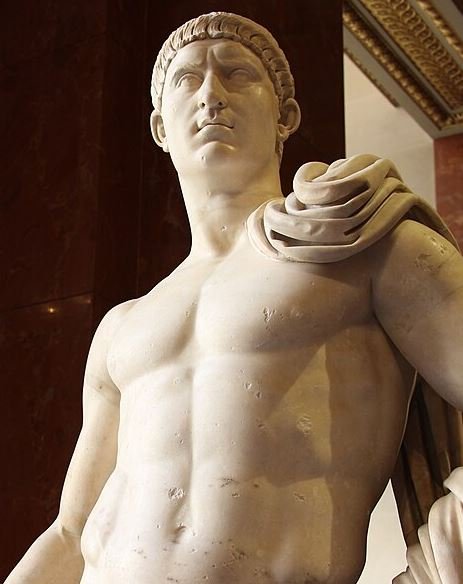
A statue of Otho, located at the Louvre in France.
The War with Vitellius
Otho demonstrated uncharacteristic vigor in his military preparations. His forces included the Praetorian Guard, the legions of Dalmatia, Pannonia, and Moesia, and a formidable naval fleet. Despite his strategic efforts, Otho’s forces faced significant challenges due to the divided loyalty of the legions and logistical delays.
In March 69, Otho’s forces secured initial victories, notably defending Placentia against Vitellian forces led by Aulus Caecina Alienus. However, the arrival of Vitellius’s co-commander, Fabius Valens, strengthened the opposing army.
Through his sacrifice, Otho sought to end the civil strife consuming the empire, leaving behind a legacy of both controversy and respect.
The decisive confrontation occurred at the First Battle of Bedriacum (or Cremona) in April 69. Otho’s generals advised delaying the battle until reinforcements from Dalmatia could arrive, but the emperor, influenced by his brother Titianus and other advisors, ordered an immediate attack. The battle resulted in a devastating defeat for Otho’s forces.

Gold coin of Vitellius.
Otho’s Suicide
After the defeat at Bedriacum, Otho faced a difficult decision. His forces, though battered, were still formidable, and reinforcements were on their way. However, Otho chose to end his life to prevent further bloodshed and a prolonged civil war.
On April 16, 69, Otho delivered a farewell speech to his troops, stating, “It is far more just to perish one for all than many for one.” He retired to his tent, where he stabbed himself with a concealed dagger. His death marked the end of his brief but eventful reign.
Otho’s ashes were interred in a modest tomb at Brixellum, bearing the inscription Diis Manibus Marci Othonis. His act of self-sacrifice earned him respect, even from those who had initially doubted his character. Roman historian Tacitus recorded that many soldiers, inspired by their loyalty to Otho, chose to end their lives beside his funeral pyre.
Legacy
Otho’s legacy is complex. While his initial rise to power was marred by violence and betrayal, his decision to commit suicide to spare Rome further conflict was seen as an honorable and selfless act. This gesture transformed public perception of him, with some, like the poet Martial, praising his sacrifice as greater than that of famous figures like Cato.
In cultural depictions, Otho’s life has often been dramatized for its tragic and tumultuous nature. He appears as a character in operas such as Monteverdi’s L’incoronazione di Poppea and Handel’s Agrippina, as well as in historical fiction and films. These portrayals emphasize his charm, ambition, and ultimate redemption through self-sacrifice.
Frequently Asked Questions
What was Otho’s background before becoming emperor?
Otho was born into a noble Etruscan family, served as a close companion of Nero, and governed Lusitania after being exiled due to Nero’s affair with Otho’s wife, Poppaea Sabina. He ruled Lusitania effectively and later allied with Galba against Nero.
Why did Otho turn against Galba?
Otho hoped to be named Galba’s heir but was disappointed when Galba adopted Piso Licinianus instead. This betrayal led Otho to orchestrate Galba’s assassination on January 15, 69, and seize the throne.
How was Otho received as emperor?
Otho initially gained favor for restoring some of Nero’s practices and promoting stability. Despite his ambitious and luxurious lifestyle, he showed clemency towards former enemies and attempted to govern equitably.
What challenges did Otho face during his reign?
Otho faced a rebellion from Vitellius, commander of the Germanic legions, who was proclaimed emperor by his troops. This sparked a civil war as Vitellius’s forces marched on Italy.
What happened at the Battle of Bedriacum?
Otho’s army confronted Vitellius’s forces at the Battle of Bedriacum but was defeated due to poor leadership and hasty decisions. Despite having reinforcements nearby, Otho chose not to prolong the conflict.
Why did Otho commit suicide?
Otho ended his life on April 16, 69, believing that his death would spare Rome further bloodshed and civil war. His decision was seen as an act of self-sacrifice, earning him posthumous respect.
What cultural works feature Otho?
Roman Emperor Otho appears in operas such as Monteverdi’s L’incoronazione di Poppea and Handel’s Agrippina, often depicted in his complex relationship with Poppaea. He is also a character in novels and films about the Year of the Four Emperors.





