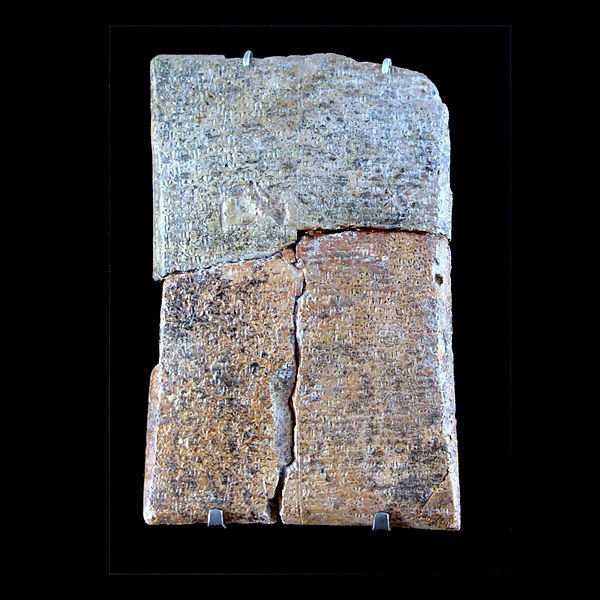
A tablet featuring the Tale of Aqhat.
The Tale of Aqhat, also known as the Epic of Aqhat, is a notable Canaanite myth discovered in Ugarit, an ancient city in modern-day Syria. Dating back to approximately 1350 BCE, this epic stands as one of the longest texts found at Ugarit, alongside the Legend of Keret and the Baal Cycle. Though incomplete, the story survives on three clay tablets, with significant portions missing, particularly the beginning and end.
Background of the Tale
The tale was transcribed by Ilmilku, a high priest in Ugarit who also documented other epics such as the Legend of Keret and the Baal Cycle. Approximately 650 poetic lines of the story survive, primarily focusing on ritual performances and their contexts. The primary characters are Danel, a righteous ruler; his son, Aqhat; and his daughter, Paghat. Discovered in 1930–1931, these tablets continue to be a source of historical and mythological study.
First Tablet: The Birth of Aqhat
Danel is introduced as a righteous ruler and a defender of justice for widows and orphans. However, he is childless, which prompts him to perform six days of offerings at a temple, praying for a son. On the seventh day, the god Baal intervenes, requesting the high god El to grant Danel’s wish. El agrees, and Danel’s prayers are answered with the birth of a son, Aqhat.
To celebrate Aqhat’s birth, Danel hosts a grand feast, inviting the Kotharat, female divinities associated with childbirth. The story then experiences a gap in the text, after which Danel receives a bow from the craftsman god Kothar-wa-Khasis, either as a token of gratitude for hospitality or as a divine blessing.
The text resumes with Aqhat, now a young man, attending a feast with various deities present. The goddess Anat desires Aqhat’s bow and offers him rewards, including gold, silver, and immortality. Aqhat refuses, dismissing Anat’s offers with disrespect and asserting that immortality is impossible for mortals. Anat, angered by his response, seeks vengeance.
Second Tablet: Aqhat’s Death
Anat approaches El, likely to seek permission to punish Aqhat. The damaged text obscures El’s initial response, but Anat’s respectful tone shifts to violent threats. Eventually, El reluctantly grants her permission to act as she pleases.
Anat orchestrates Aqhat’s murder, enlisting Yatpan, one of her warriors or devotees, to carry out the deed. Yatpan is magically transformed into an eagle to ambush Aqhat. The details of the attack are fragmentary, but Aqhat is killed, and his bow is destroyed in the process.
After Aqhat’s death, Anat expresses sorrow, lamenting both the loss of Aqhat and the destruction of the bow. Her grief extends to the broader consequences of her actions, as she foresees that crops will fail due to this unjust killing.
Third Tablet: Danel’s Mourning and Paghat’s Revenge
Unaware of his son’s death, Danel continues his duties as a judge at the city gate. Meanwhile, Paghat, Aqhat’s sister, notices ominous signs: a drought begins, and birds of prey circle their home. These events foreshadow the consequences of Anat’s actions.
Two young men arrive to inform Danel and Paghat of Aqhat’s murder. Danel prays to Baal for help in recovering his son’s remains. Baal assists by bringing down vultures, but repeated searches through the vultures’ bodies yield no results until the mother of the vultures is brought down. Within her remains, Danel discovers fragments of Aqhat’s bones and fat. He buries these along the shores of the Kinneret (Sea of Galilee).
Aqhat’s unjust death leads to a prolonged drought, devastating the land and its people. Danel, heartbroken, continues to mourn his son, while Paghat resolves to take matters into her own hands.
Paghat’s Revenge
The final portion of the epic focuses on Paghat’s quest for vengeance. Determined to avenge her brother, she seeks out Yatpan, the warrior who killed Aqhat. The details of her journey and ultimate confrontation with Yatpan remain unclear due to the fragmentary nature of the text. However, Paghat’s role highlights themes of familial loyalty and justice, as she embodies the determination to right the wrongs committed against her family.
Themes and Cultural Significance
The Tale of Aqhat explores the interplay between divine will and human fate. Aqhat’s refusal of immortality underscores the inevitability of death, a theme central to ancient Near Eastern beliefs.
The gods in this epic, particularly El, Baal, and Anat, wield immense influence over human lives. Their actions reflect the complex relationships between divine beings and mortals, as well as the consequences of divine wrath.
Danel’s devotion to his family and Paghat’s determination to avenge her brother highlight the importance of familial bonds and justice in Canaanite society.
Aqhat’s murder disrupts the natural order, causing a drought that devastates the land. This connection between morality and environmental balance reflects ancient beliefs about the interdependence of human actions and nature.
Questions and Answers
What is the narrative’s focus?
The tale centers on Danel, a righteous ruler, his son Aqhat, and daughter Paghat. It explores themes of justice, divine interaction, and the consequences of human defiance of the gods.
How does Danel receive his son Aqhat?
After days of prayer and offerings, Danel’s request for a son is granted by the high god El, following Baal’s intercession. Aqhat’s birth is celebrated with a feast attended by divine beings.
What conflict arises between Aqhat and Anat?
Anat, a goddess, offers Aqhat gold, silver, and immortality in exchange for his bow, a gift from Kothar-wa-Khasis. Aqhat refuses, disrespectfully dismissing her offers, leading to her outrage.
How does Anat react to Aqhat’s refusal?
Anat seeks permission from El to punish Aqhat. Despite El’s reluctance, she uses her warrior Yatpan, who transforms into an eagle to kill Aqhat.
What are the consequences of Aqhat’s death?
Aqhat’s death leads to a severe drought and crop failure. Anat regrets his death and the loss of his bow, symbolizing destruction and imbalance.
How does Danel respond to Aqhat’s death?
Initially unaware of Aqhat’s death, Danel prays for rain and continues his duties. After discovering the truth, he searches for Aqhat’s remains, eventually finding fragments and burying them by the Sea of Galilee.
What role does Paghat play in the story?
Aqhat’s sister, Paghat, seeks revenge for her brother’s unjust death by plotting to kill Yatpan, the warrior responsible for his murder.





