The Birth of a Nation, 1915: History, Cast, Controversy, & Legacy
The Birth of a Nation (1915) is one of the most significant and controversial films in American history. Directed by D.W. Griffith, it was a landmark in the early development of cinema due to its technical innovations and large-scale narrative.
However, the film has also been heavily criticized for its glorification of white supremacy and its deeply racist portrayal of African Americans. Over the years, The Birth of a Nation has been studied for its impact on the film industry, its role in shaping American culture, and the controversies surrounding its release and legacy.
Historical Context and Production
Source Material
The film is adapted from Thomas Dixon Jr.’s 1905 novel and play, The Clansman, which was part of a trilogy that romanticized the Ku Klux Klan’s role during the Reconstruction era.
Dixon, a white supremacist, wrote The Clansman as a defense of the Southern way of life, portraying Black people as savage and inferior, while presenting the Ku Klux Klan (KKK) as noble protectors of white civilization. The novel aligned with the myth of the “Lost Cause” of the Confederacy, a narrative that sought to justify the South’s fight in the Civil War and portray Reconstruction as a period of Northern tyranny and Black incompetence.
D.W. Griffith, whose father fought for the Confederacy, was deeply influenced by this narrative and decided to bring Dixon’s vision to the screen. Griffith co-wrote the screenplay with Frank E. Woods and produced the film alongside Harry Aitken.
Released in 1915, The Birth of a Nation was initially titled The Clansman, but Griffith changed the title to reflect the broader theme of the nation’s “birth” after the Civil War, presenting the reunion of North and South as a heroic achievement.
Technical Innovations
Despite its disturbing content, The Birth of a Nation is often hailed as a groundbreaking technical achievement in cinema. It was the first American 12-reel film, making it the longest film produced at that time, and it introduced several new filmmaking techniques that would become standard in the industry.
- Innovative Cinematography: Griffith pioneered the use of close-ups, fadeouts, and cross-cutting to build suspense and create more dynamic storytelling. He also used parallel editing, showing two events happening simultaneously, which enhanced the film’s narrative complexity.
- Battle Scenes: The film featured large-scale battle scenes, such as the Civil War sequences, that employed hundreds of extras, making them appear as thousands. These scenes were carefully choreographed, giving a sense of scale and realism rarely seen in early cinema.
- Orchestral Score: It was the first American film to have a musical score specifically written for an orchestra, which added emotional depth to the viewing experience.
Griffith’s use of these techniques, along with his ambition to tell a large, sweeping story, established him as a major figure in the history of filmmaking.

Plot Overview
The film is set during the American Civil War and the Reconstruction era, and it follows the lives of two families: the pro-Union Stonemans from the North and the pro-Confederate Camerons from the South. The story combines fictional elements with historical events, most notably the assassination of PresidentAbraham Lincoln and the rise of the Ku Klux Klan during Reconstruction.
In The Birth of a Nation, Black characters are depicted in deeply racist ways—either as docile slaves or as violent, unintelligent, and sexually aggressive freedmen. These characters are mostly played by white actors in blackface, a theatrical tradition that further dehumanized African Americans.
The film glorifies the Ku Klux Klan as heroic saviors of the South. The Klan is shown as restoring order during Reconstruction by protecting white women from predatory Black men and upholding white supremacy. This portrayal helped fuel racial tensions in the U.S., painting the KKK as a necessary force for defending American values and preserving national unity.
Controversy Surrounding the Film
Racism and Stereotypes
From the outset, The Birth of a Nation was highly controversial due to its explicit racism. The film portrays African Americans as inherently inferior, perpetuating negative stereotypes that depicted Black people as lazy, corrupt, and dangerous. Perhaps most egregiously, it portrayed Black men as sexually aggressive toward white women—a common and deeply harmful trope that justified violent actions like lynching in the Jim Crow South.
The use of blackface only intensified the film’s offensive portrayal of Black people. White actors playing Black characters in grotesque makeup perpetuated caricatures that had been popular in American minstrel shows, presenting Black people as subhuman or monstrous.
The film also glorifies the Ku Klux Klan as a noble group of vigilantes who protect the white race from supposed Black threats. This portrayal contributed to the romanticization of the Klan and stoked fears of Black empowerment, particularly in the South. The depiction of the Klan as righteous heroes helped reinforce the idea that Black political and social advancement was dangerous and needed to be curtailed.
Public Protests and Reactions
Upon its release, The Birth of a Nation became a massive success among white audiences, but it also sparked outrage, particularly within African American communities. Civil rights organizations like the National Association for the Advancement of Colored People (NAACP) protested the film’s racist depictions of Black people and its glorification of the Klan. The NAACP organized protests, calling for the film to be banned in several cities. In Boston, Chicago, and other major cities, Black leaders and activists led demonstrations outside theaters, arguing that the film incited racial violence and hatred.
In some cities, including Chicago, Ohio, Denver, Pittsburgh, St. Louis, and Minneapolis, the film was temporarily banned or denied release due to the concerns it raised about racial tension. Despite these efforts, the film continued to be shown across the country, drawing large crowds and reinforcing racial divisions.
Government and Presidential Support
Griffith arranged a special screening of The Birth of a Nation at the White House for President Woodrow Wilson, marking the first time a film had been screened inside the White House. Wilson, a Southerner with his own controversial racial views, reportedly praised the film, although the accuracy of his exact comments remains disputed. Regardless, the endorsement by a sitting president helped legitimize the film and lent it a veneer of historical credibility, despite its overt racism.
Wilson’s supposed approval of the film also helped cement its place in American popular culture, giving it an air of official acceptance that counteracted the protests from civil rights groups.

Image: President Woodrow Wilson
Censorship and Griffith’s Response
The backlash against The Birth of a Nation led to calls for censorship, which infuriated Griffith. He defended the film as a work of historical art and claimed that efforts to censor it were an attack on freedom of expression. In response to the criticism and censorship efforts, Griffith made Intolerance in 1916, a film that explored the theme of human persecution throughout history. While Intolerance was praised for its scale and ambition, it failed to achieve the same commercial success as The Birth of a Nation.
The Film’s Cultural and Commercial Impact
Commercial Success
Despite the protests and controversies, The Birth of a Nation became the highest-grossing film of its time. By the end of 1915, it had earned an estimated $5 million, an astronomical sum for that era. Adjusted for inflation, it remains one of the highest-grossing films in history. Its commercial success demonstrated the economic potential of large-scale, feature-length films and paved the way for the development of the Hollywood studio system.
The film’s financial success was also a testament to its appeal among white audiences, who were drawn to its epic narrative and technical innovations, as well as its racist themes, which resonated with the racial anxieties of the time.
Influence on the Film Industry
The Birth of a Nation profoundly influenced the development of the film industry, particularly in terms of how films were produced, marketed, and distributed. The film showed the potential for cinema to be a powerful storytelling medium, one that could tackle complex narratives and evoke strong emotional responses from audiences. Its use of cutting-edge techniques, such as close-ups, cross-cutting, and large-scale battle scenes, set new standards for filmmaking and demonstrated the technical and artistic possibilities of cinema.
Griffith’s success with The Birth of a Nation also led to the creation of feature-length films as a standard format in Hollywood, moving away from the shorter films that had been popular in the early 1900s. It helped establish film as a legitimate art form capable of telling grand, multi-layered stories, which influenced filmmakers both in the U.S. and abroad.
Role in the Rebirth of the Ku Klux Klan
Perhaps the most disturbing aspect of the film’s legacy is its role in the resurgence of the Ku Klux Klan. The original Klan had largely disbanded by the late 19th century, but the film’s glorification of the group as heroic defenders of white supremacy sparked renewed interest in the organization. In late 1915, only months after the film’s release, the KKK was revived in Georgia, and The Birth of a Nation was used as a recruitment tool to attract new members.
The film’s portrayal of the Klan as noble protectors against Black political and social power reinforced racist ideologies and helped legitimize the Klan’s violent tactics. The revived KKK went on to play a significant role in terrorizing Black communities across the U.S. in the early 20th century, particularly in the South.
The Legacy of The Birth of a Nation

The Film’s Impact on Racism and Stereotypes
The Birth of a Nation left an indelible mark on American society by promoting racist stereotypes that dehumanized Black people and reinforced the idea of white superiority. The film contributed to the entrenchment of negative racial portrayals that persisted throughout the 20th century, both in film and in popular culture. Its depiction of African Americans as violent, unintelligent, and sexually aggressive helped perpetuate myths that justified segregation, disenfranchisement, and violence against Black people.
These stereotypes would later be seen in countless other films, shaping public perceptions of race and racism for decades to come. The film’s influence can be traced to the continued use of blackface, the depiction of Black people as subservient or threatening, and the fetishization of the “Mammy” and “Sambo” caricatures in Hollywood.
Shifting Public Opinion and Condemnation
Over the years, as racial attitudes in the U.S. evolved, The Birth of a Nation came to be viewed as a deeply problematic work. By the mid-20th century, particularly during the Civil Rights Movement, public opinion on the film began to shift as activists and scholars increasingly condemned it for its blatant racism.
In academic and social circles, the film is now widely criticized for its dehumanizing portrayal of Black people and its role in promoting white supremacist ideologies. It is often cited as an example of how cinema can be used as a tool of propaganda, reinforcing harmful social and political narratives.
The Film’s Place in the National Film Registry
Despite its controversial content, The Birth of a Nation remains an important part of film history due to its technical achievements and its influence on the development of cinema as an art form. In 1992, the Library of Congress selected the film for preservation in the National Film Registry, citing its “cultural, historical, or aesthetic significance.”
The decision to preserve the film sparked debate, as many argued that its harmful racist depictions should disqualify it from such recognition. However, proponents of its preservation argue that the film is a critical historical document, offering insight into the racial attitudes of early 20th-century America and the power of film as a medium to shape social and political ideologies.
Questions and Answers
What is The Birth of a Nation, and who directed it?
The Birth of a Nation is a 1915 silent epic drama directed by D.W. Griffith and starring Lillian Gish. It was adapted from Thomas Dixon Jr.’s 1905 novel and play The Clansman.
Why is The Birth of a Nation considered a milestone in film history?
It is celebrated for its technical innovations, including being the first American 12-reel film, featuring an orchestral musical score, pioneering close-ups, fadeouts, and large-scale battle sequences with hundreds of extras.
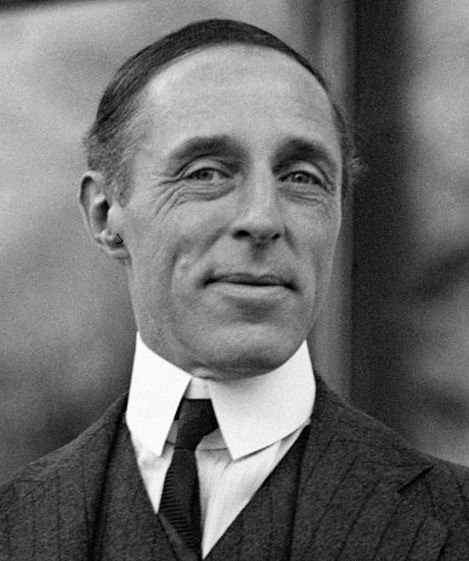
Image: D. W. Griffith, director of “The Birth of a Nation”.
What is the plot of The Birth of a Nation?
The film covers historical events like the Civil War, the assassination of President Abraham Lincoln, and the Reconstruction era, following the lives of two families: the pro-Union Stonemans and the pro-Confederate Camerons.
What groundbreaking filmmaking techniques did The Birth of a Nation introduce?
It was the first American film to have a musical score for an orchestra, introduced close-ups, fadeouts, and staged large battle scenes with extras, creating the appearance of grander scale with fewer people.
Why was The Birth of a Nation controversial from its release?
The film was controversial due to its racist depictions of African Americans, many played by white actors in blackface. It portrayed Black people as unintelligent and violent, while glorifying the Ku Klux Klan as heroic defenders of white supremacy.
How did The Birth of a Nation contribute to racial tensions in the U.S.?
The film reinforced harmful racial stereotypes and contributed to racial segregation. Its portrayal of African Americans and the Civil War incited protests, particularly from African American communities and organizations like the NAACP.
How did civil rights organizations respond to the film’s release?
The NAACP and other civil rights leaders protested the film’s depiction of Black people, launching campaigns in cities like Boston and Chicago to ban the film. Some cities temporarily succeeded in banning it for inciting racial tensions.
What was D.W. Griffith’s response to attempts to ban The Birth of a Nation?
Griffith was angered by the efforts to censor his film and produced Intolerance in 1916, a film dealing with themes of persecution and injustice.
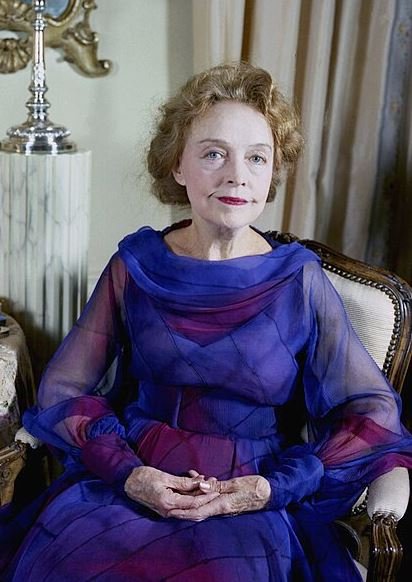
Image: A 1973 picture of Lillian Gish, one of the major stars of “The Birth of a Nation”.
What was the commercial impact of The Birth of a Nation?
Despite its controversial nature, the film became a massive commercial success, grossing far more than any previous film. When adjusted for inflation, it remains one of the highest-grossing films of all time.
What role did the film play in the resurgence of the Ku Klux Klan?
The film is credited with inspiring the rebirth of the Ku Klux Klan, which revitalized shortly after the film’s release. The movie was used as a recruitment tool for white supremacist groups.
Why does The Birth of a Nation remain significant in film history despite its controversial content?
The film had a profound influence on the film industry due to its technical achievements and large-scale narrative. In 1992, the Library of Congress selected it for preservation in the National Film Registry, recognizing its cultural and historical significance.
How is The Birth of a Nation viewed today?
The film is widely condemned for its racist content and glorification of the KKK, but it is still studied and analyzed for its technical innovations and its lasting impact on both cinema and American culture.





