War Governors’ Conference
The Loyal War Governors’ Conference was a significant political event during the American Civil War. Held at the Logan House Hotel in Altoona, Pennsylvania, on September 24 and 25, 1862, this gathering of thirteen Union state governors focused on strengthening the war effort, addressing troop quotas, and reinforcing support for President Abraham Lincoln’s Emancipation Proclamation. The conference also served as a platform to critique and suggest the removal of General George B. McClellan as commander of the Army of the Potomac.
The War Governors’ Conference, initiated by Pennsylvania Governor Andrew Gregg Curtin, ultimately bolstered Lincoln’s administration at a critical juncture in the war.
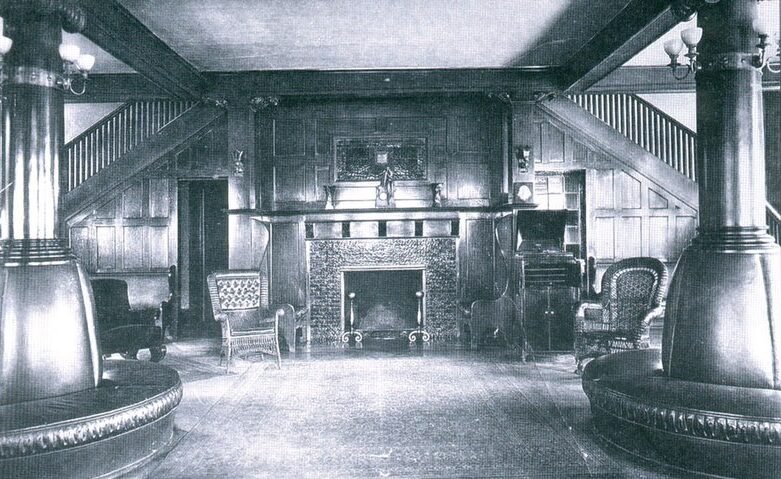
A picture of the lobby of the Logan House Hotel.
Historical Context of the Meeting
By the late summer of 1862, the Union war effort was struggling. President Abraham Lincoln intended to issue a proclamation to free enslaved people in Confederate states, but concerns over border state loyalty delayed his decision. Without a decisive military victory, such a move could be perceived as an act of desperation rather than strength.
To address the war’s challenges, Governor Curtin took the initiative by inviting all Union state governors to a meeting. His goal was to unify their efforts and ensure robust state support for the war. He emphasized the importance of maintaining the Union’s integrity and proposed Altoona, Pennsylvania, as the location due to its accessibility and transportation infrastructure. The meeting gained further urgency after the Battle of Antietam on September 17, which provided Lincoln with the victory he needed to announce the Preliminary Emancipation Proclamation on September 22.
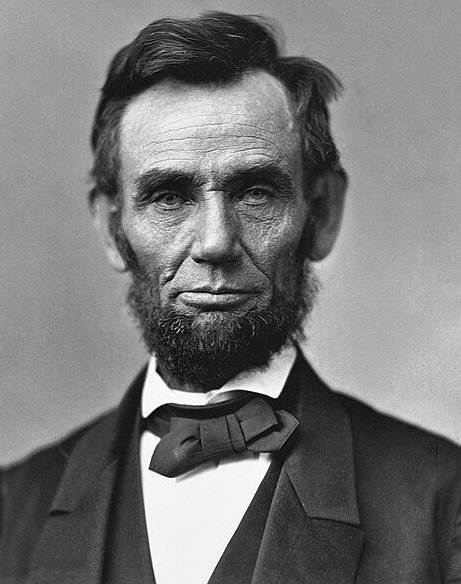
A picture of Abraham Lincoln in 1863.
The Gathering at Logan House Hotel
The governors began arriving at the Logan House Hotel on September 23, greeted by local politicians, onlookers, and even a journalist from the New York Herald, which would later feature the event prominently. The day before the meeting, some governors visited the famous Horseshoe Curve, a strategic railroad landmark, courtesy of the Pennsylvania Railroad.
The official meeting commenced the next morning with eleven governors, one representative, and several aides in attendance. Governor Curtin welcomed the participants and immediately steered discussions toward the war effort, troop reinforcements, and support for the Emancipation Proclamation. The governors debated ways to strengthen the Union war effort while ensuring their states contributed effectively to the cause.
The Loyal War Governors’ Conference was a pivotal moment in the Civil War, strengthening Lincoln’s leadership and reinforcing state support for the war effort.
Debate Over General McClellan
One of the most contentious topics was the leadership of General George B. McClellan. Governor John Andrew of Massachusetts criticized McClellan’s reluctance to take aggressive action against Confederate forces. Governor William Sprague of Rhode Island argued that the Battle of Antietam had not been a true Union victory, contending that Confederate forces withdrew strategically rather than in defeat. Conversely, Governor David Tod of Ohio opposed the motion to remove McClellan, expressing his continued confidence in the general’s leadership.
Despite heated debates, all governors except Augustus Bradford of Maryland ultimately signed the final address supporting Lincoln’s leadership and war policies. The meeting concluded in the early hours of September 25, and the delegates prepared to present their address to President Lincoln the next day in Washington, D.C.
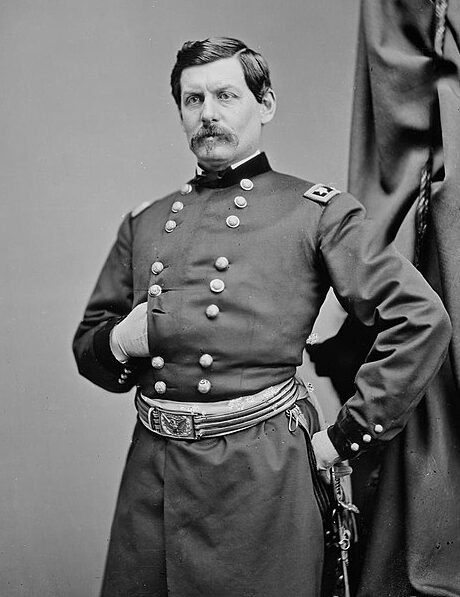
An 1861 portrait of George B. McClellan.
The Delegation to the White House
Upon arriving at the White House on September 26, the governors presented a formal address affirming their commitment to the Union cause and endorsing Lincoln’s constitutional authority. Their statement vowed to exercise all lawful powers to combat treason, rebellion, and national enemies until achieving unconditional victory. They also proposed measures for improving military training and organization.
While the governors made recommendations regarding troop recruitment and logistical support, the most divisive issue remained General McClellan’s leadership. Governor Samuel Kirkwood of Iowa urged Lincoln to remove McClellan, but Lincoln refrained from making an immediate decision. Nevertheless, less than two months later, on November 5, 1862, McClellan was relieved of his command, reflecting the broader dissatisfaction among Union leaders regarding his cautious military strategy.
Impact and Endorsement by Other Governors
Although the conference itself was small, its influence extended beyond the attendees. Copies of the final address were sent to Union governors who were unable to attend. The governors of Vermont, Connecticut, Kansas, Minnesota, and Oregon expressed their approval of the document. However, New York, New Jersey, Delaware, Kentucky, and Missouri refused to endorse it, with the latter three states still maintaining slavery and seeking to avoid further alignment with Lincoln’s policies.

Significance of the Meeting
Despite being overshadowed by other wartime events, the Loyal War Governors’ Conference played a crucial role in reinforcing Lincoln’s authority. The gathering provided a unified voice of support from key Northern states at a time when Lincoln faced significant political and military challenges. As the Altoona Mirror later noted on the 50th anniversary of the conference, “It was this conference…which more than any other thing strengthened Lincoln’s hands in the darkest hour of the war period.”
The conference’s endorsement of the Emancipation Proclamation also helped solidify Northern political backing for Lincoln’s war aims. The proclamation, issued officially on January 1, 1863, fundamentally shifted the war’s purpose from preserving the Union to ending slavery. It also influenced foreign powers such as Britain and France, discouraging them from recognizing the Confederacy, as both nations had largely abolished slavery.
Though often overlooked in history, the War Governors’ Conference played a role in shaping the course of the war, contributing to the ultimate victory of the Union and the abolition of slavery.
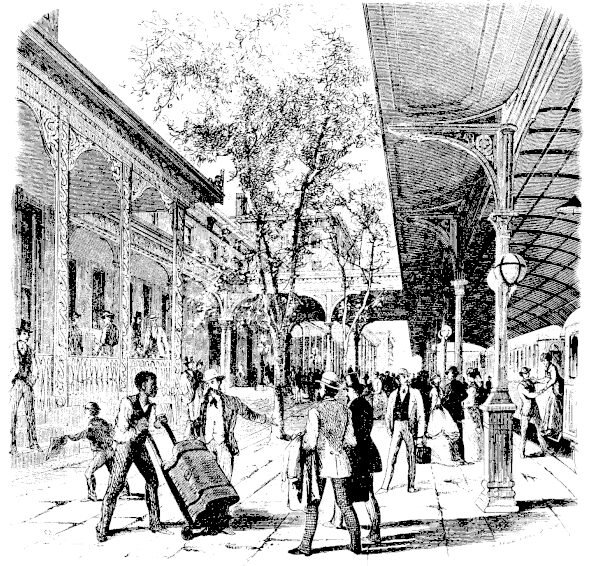
The 1862 Altoona Conference united 13 Union governors to support Lincoln’s policies and coordinate war efforts.
The Logan House and Later Commemorations
The Logan House Hotel, the venue for this historic meeting, was an architectural marvel of its time. Built in 1854 by the Pennsylvania Railroad, it boasted 106 rooms, gas lighting, and hot running water—luxuries that made it one of the finest hotels in the nation. The hotel hosted numerous prominent figures, including Ulysses S. Grant, Rutherford B. Hayes, and William Howard Taft. Mary Todd Lincoln and her children even stayed there briefly to escape Washington’s summer heat.
The hotel remained a landmark until its closure in 1927 and subsequent demolition in 1931. Today, the site is occupied by the Altoona Post Office, but its historical significance remains preserved in local history.
To honor the conference’s 50th anniversary in 1912, Altoona held a grand celebration attended by all the contemporary Northern governors, along with President Taft. The city organized a massive parade featuring Civil War veterans, elaborate floats, and a replica of the USS Monitor. A large festival at Cricket Field included speeches, souvenirs, and food vendors, marking the occasion as a major historical remembrance.
Frequently Asked Questions
Why was the conference significant?
It provided Lincoln with much-needed political backing from Northern states, reinforcing his authority to issue the Emancipation Proclamation and continue the war effort.
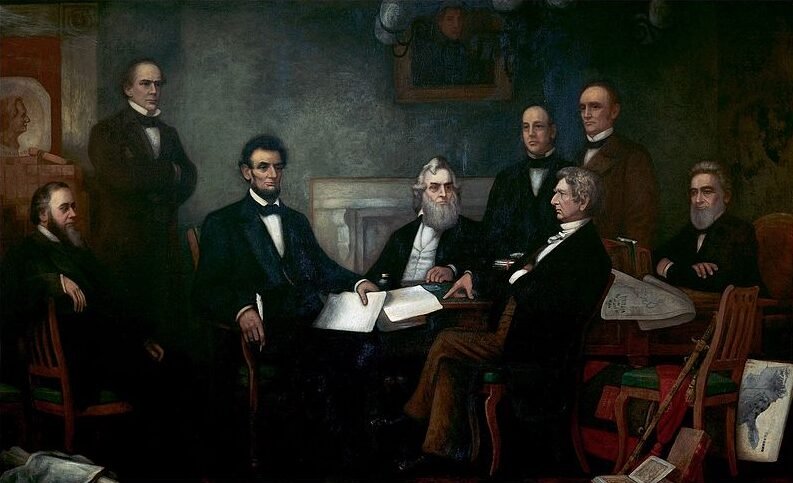
President Lincoln reading the Emancipation Proclamation. Artwork by American painter Francis Bicknell Carpenter.
Who organized the meeting?
Pennsylvania Governor Andrew Gregg Curtin initiated and hosted the conference, inviting all Union governors to discuss state involvement in the war.
How did the Battle of Antietam impact the conference?
The Union victory at Antietam on September 17, 1862, gave Lincoln the opportunity to issue the Preliminary Emancipation Proclamation, which became a key topic of discussion.
What were the main topics debated at the conference?
The governors debated support for the Emancipation Proclamation, troop recruitment, military strategy, and the effectiveness of General George B. McClellan as commander of the Army of the Potomac.
What was the outcome regarding General McClellan?
Many governors criticized McClellan’s leadership, and though Lincoln did not remove him immediately, he was relieved of command less than two months later.
How did the conference influence the Emancipation Proclamation?
By reaffirming Northern support for the war and emancipation, the governors helped strengthen Lincoln’s resolve to proceed with the proclamation on January 1, 1863.
What was the legacy of the conference?
Though often overlooked, the meeting solidified Union state support for Lincoln, contributed to McClellan’s removal, and was later commemorated in Altoona’s 50th-anniversary celebrations in 1912.





