What foods did Roman Gladiators eat?
Roman gladiators were iconic figures of ancient Rome, known for their brutal combat in arenas like the Colosseum. These warriors were often slaves, prisoners of war, or condemned criminals trained to entertain the public through combat. An essential aspect of their ability to perform and survive in the arena was their diet.
In the article below, World History Edu delves into not just the diet of Roman gladiators but their physical conditioning, the economic considerations of their keepers, and the nutritional knowledge of the time.

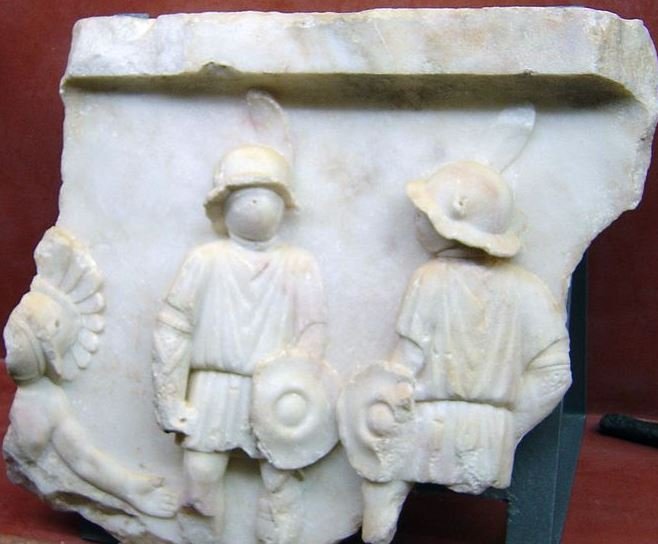
Roman Gladiators. Image source: historycollection.co
Sources of Information About Gladiator Diets
Information about the gladiators’ diet comes from a combination of historical texts, archaeological findings, and modern scientific analysis. Ancient writers like Galen and Pliny the Elder mentioned aspects of gladiatorial life, including diet.
However, the most compelling evidence comes from archaeological excavations of gladiator burial sites and training schools (ludi), where skeletal remains and associated artifacts have been analyzed.
The Typical Gladiator Diet: High in Carbohydrates, Low in Animal Protein
Gladiators were commonly referred to as hordearii, which translates to “barley men.” This nickname underscores the central role of barley in their diet. The gladiator diet was predominantly vegetarian, rich in carbohydrates and low in animal proteins. The primary components included:
- Barley and Wheat: Grains were the staple of the gladiator diet. Barley was favored over wheat due to its higher nutritional content and availability. It provided a significant source of complex carbohydrates essential for sustained energy.
- Legumes: Beans, lentils, and other legumes were crucial for protein intake. They also supplied essential minerals and fiber.
- Oils and Fats: Olive oil was a common addition, providing healthy fats necessary for energy and bodily functions.
- Fruits and Vegetables: While not as prominently featured as grains and legumes, fruits and vegetables supplemented the diet with vitamins and additional nutrients.
Specific Foods Consumed

Grains: Barley and Wheat
Barley was a primary grain consumed by gladiators. It was less expensive than wheat and provided a dense source of carbohydrates. Barley was often prepared as a porridge or bread. The consumption of barley contributed to increased body mass, which was beneficial for gladiators for several reasons.
Legumes: Beans and Lentils
Legumes were essential for their protein content. In a diet low in meat, beans and lentils provided necessary amino acids for muscle repair and growth. They also contained minerals like iron and magnesium, important for overall health.

Image: The 1872 painting “Pollice Verso” by French painter Jean-Léon Gérôme depicts a Roman gesture signaling the fate of a victorious gladiator.
Limited Meat Consumption
Meat was not a significant part of the gladiator diet. This was partly due to economic reasons, as meat was more expensive and less accessible. Additionally, a high-meat diet was not considered necessary for the type of physique gladiators aimed to maintain.
Olive Oil
Olive oil was used for cooking and possibly as a dressing for grains and legumes. It was a source of monounsaturated fats and contributed to the caloric intake necessary for intense physical activity.
Fruits and Vegetables
Fruits like figs and vegetables such as cabbage and onions provided vitamins, antioxidants, and fiber. These foods helped prevent deficiencies and supported overall health.
Reasons for the Diet Composition

Energy Requirements
The high-carbohydrate diet met the energy demands of rigorous training and combat. Carbohydrates are the body’s preferred energy source, especially during high-intensity activities.
Body Mass and Protection
A diet rich in grains and legumes contributed to a higher body mass index (BMI). The additional subcutaneous fat provided a layer of protection against superficial wounds. In the arena, a certain amount of body fat could absorb cuts that might otherwise be more damaging.
Economic Considerations
Feeding large numbers of gladiators required cost-effective solutions. Grains and legumes were less expensive than meat and could be stored in large quantities without spoiling quickly.
Health and Recovery
The nutrients from grains and legumes supported muscle recovery and overall health. The inclusion of fruits and vegetables, though less prominent, helped prevent nutrient deficiencies.
Evidence from Bone Analysis
Modern scientific techniques have provided valuable insights into the gladiator diet through the analysis of skeletal remains.
Isotope Analysis
Isotope analysis involves examining the ratios of certain isotopes, such as carbon and nitrogen, in bone collagen. This can indicate the types of foods consumed over a long period.
Studies of gladiator bones from Ephesus (in modern-day Turkey) revealed:
- High Strontium Levels: Elevated strontium levels suggest a diet rich in plant-based foods, as plants absorb strontium from the soil more readily than animals do.
- Carbon and Nitrogen Isotopes: The ratios indicated a predominantly vegetarian diet, with little reliance on animal protein.
Bone Density
The gladiators’ bones showed higher bone density compared to the general population. This could be attributed to their rigorous training and the consumption of calcium-rich foods or supplements.
The “Ash Drink” Tonic
Historical records mention that gladiators consumed a concoction referred to as an “ash drink.” This beverage was made from plant ashes, likely containing calcium carbonate and other minerals.
Purpose of the Ash Drink
- Mineral Supplementation: The ash drink provided additional calcium and magnesium, essential for bone health and muscle function.
- Recovery Aid: It may have helped in recovery after intense training sessions by replenishing lost minerals.
Preparation and Consumption
The ash was likely derived from burned plant material, such as wood or herbs. Mixed with water or possibly vinegar, it formed a tonic consumed regularly.
Comparison with Modern Athletes
The gladiator diet shares similarities with modern high-carbohydrate diets favored by endurance athletes.
Carbohydrate Loading
Just as endurance athletes consume carbohydrates to fuel prolonged activity, gladiators relied on carb-rich foods to sustain their energy levels during training and combat.
Plant-Based Diets
The emphasis on plant-based foods is also echoed in contemporary nutritional science, which recognizes the benefits of diets rich in whole grains, legumes, fruits, and vegetables.

Gladiators primarily consumed a vegetarian diet high in carbohydrates and minimal animal protein to sustain their energy.
Cultural and Social Aspects
Meat consumption in ancient Rome was often associated with wealth and higher social status. Gladiators, being slaves or lower-class citizens, had limited access to meat.
Gladiators were housed in ludi (training schools) where their diet was controlled by their owners or trainers. The standardized diet ensured that all gladiators received adequate nutrition for performance while keeping costs manageable.
Conclusion
The diet of Roman gladiators was a carefully structured regimen designed to meet the physical demands of their profession while considering economic and practical factors. Predominantly vegetarian and rich in carbohydrates from barley and legumes, the diet provided sustained energy, contributed to increased body mass for protection, and supported overall health.
Modern scientific analysis of gladiator remains has confirmed historical accounts, revealing a diet low in animal protein and high in plant-based foods. The consumption of mineral-rich tonics like the ash drink further highlights the understanding of nutrition and recovery practices in ancient times.
READ MORE: Spartacus and his slave revolt against Rome






Best I’ve read to date.
If known, I seek more detail re what was burned for the ash supplement – with ratios, duration in heat and at what temperature.
Fascinating!