Amos Ellmaker: Life and Political Career
Amos Ellmaker (1787–1851) was a prominent American lawyer, judge, and politician whose career spanned critical developments in Pennsylvania and the United States during the early 19th century. Known for his service as Pennsylvania Attorney General and his involvement in the Anti-Masonic movement, Ellmaker played an influential role in shaping the political and legal landscape of his time.
Early Life and Education
Amos Ellmaker was born on February 2, 1787, in Lancaster County, Pennsylvania. His father, Nathaniel Ellmaker, was a farmer and veteran of the American Revolutionary War. Raised in a supportive family environment, Ellmaker demonstrated an early aptitude for learning, which led him to pursue higher education.
He attended Franklin College (now Franklin & Marshall College) and later enrolled at Litchfield Law School in Connecticut, one of the most esteemed institutions for legal education in the United States during that era. His time at Litchfield equipped him with the knowledge and skills needed to excel in the legal profession.
Upon completing his education, Ellmaker returned to Pennsylvania, where he established a successful legal practice in Harrisburg. His work as an attorney quickly gained attention for its thoroughness and eloquence, earning him a reputation as one of the most capable lawyers in the region.
Early Career and Public Service
Amos Ellmaker’s public service began during the War of 1812, where he served as an aide to General John Forster. This role not only demonstrated his dedication to national service but also helped establish connections that would later support his political career.
In 1813, Ellmaker was elected to the Pennsylvania House of Representatives, marking his formal entry into politics. During his tenure, he focused on issues affecting Pennsylvania’s economic and legal systems, further solidifying his reputation as a thoughtful and effective legislator.
In 1815, Ellmaker was appointed Pennsylvania Attorney General, a position that allowed him to oversee legal matters at the state level. During his tenure, he worked to streamline the legal system and ensure the fair administration of justice. After four years in this role, Ellmaker returned to private legal practice in 1819, where he remained a respected figure in Pennsylvania’s legal community.
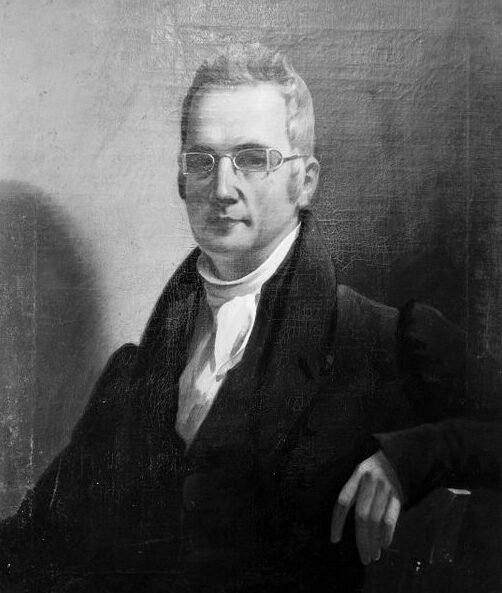
Image: Portrait of Amos Ellmaker.
Contributions to Infrastructure and Economic Development
Ellmaker’s career was not limited to law and politics; he also played a significant role in Pennsylvania’s economic development. Recognizing the transformative potential of railroads, Ellmaker was instrumental in founding the Pennsylvania Railroad and the Philadelphia and Columbia Railroad. These projects were pivotal in facilitating trade, transportation, and economic growth in the state, demonstrating Ellmaker’s forward-thinking approach to infrastructure development.
Return to Public Service
In 1828, Amos Ellmaker was reappointed as Pennsylvania Attorney General, serving in this capacity until 1829. This period coincided with the rise of the Anti-Masonic movement, a political force that sought to counteract what its members perceived as undue influence of Freemasonry on American society. Though Ellmaker himself was a former Freemason, he aligned with the movement’s broader goals of promoting transparency and opposing elitism in government.
The Anti-Masonic Movement and the 1832 Election
Ellmaker’s association with the Anti-Masonic movement reached its peak in 1832 when he was nominated as the party’s vice-presidential candidate. Running alongside William Wirt, the former U.S. Attorney General, the Wirt-Ellmaker ticket became the first third-party presidential campaign to gain significant traction in American politics. The ticket won 7.8% of the national popular vote and carried Vermont, marking the first time a third-party ticket won a state in a U.S. presidential election.
While the Anti-Masonic Party’s influence waned after 1832, its impact on American politics was notable. The party introduced new political practices, such as nominating conventions, that would later become standard in U.S. elections. Ellmaker’s role in this campaign underscored his willingness to engage with emerging political movements and contribute to the evolving democratic process.
Later Career and Decline of Political Influence
After the 1832 election, Ellmaker continued to participate in Pennsylvania politics. In 1834, he sought election to the U.S. Senate but was defeated by James Buchanan, who would later become the 15th President of the United States. This loss marked the end of Ellmaker’s active political career.
Following his Senate bid, Ellmaker retired from politics and focused on his legal practice in Lancaster, Pennsylvania. He remained a respected figure in the legal community, known for his integrity, intellect, and commitment to public service.
Legacy and Contributions
Amos Ellmaker’s legacy is defined by his contributions to Pennsylvania’s legal, political, and economic development. His achievements include:
As Attorney General, Ellmaker elevated the position’s significance, ensuring that the office played a critical role in maintaining legal order and upholding justice in the state.
By helping to establish key railroads, Ellmaker contributed to Pennsylvania’s economic growth and positioned the state as a hub for trade and transportation.
Ellmaker’s involvement in the Anti-Masonic movement and the 1832 presidential campaign highlighted the potential for third-party candidates to influence American politics. The movement’s innovations, such as nominating conventions, left a lasting impact on the political landscape.
Throughout his career, Ellmaker demonstrated a consistent commitment to serving his state and nation, whether through his legal expertise, legislative work, or participation in national politics.
Personal Life and Death
Amos Ellmaker lived a life characterized by service, intellect, and dedication to his principles. He passed away on November 28, 1851, in Lancaster, Pennsylvania. His contributions to Pennsylvania’s legal and political history are remembered as part of the broader narrative of early American democracy.
Conclusion
Amos Ellmaker’s life and career illustrate the multifaceted role of public servants in shaping the United States during its formative years. From his work as Pennsylvania Attorney General to his involvement in the Anti-Masonic movement, Ellmaker navigated the complexities of 19th-century politics and law with skill and determination.
Frequently Asked Questions
Where and when was Amos Ellmaker born?
He was born on February 2, 1787, in Lancaster County, Pennsylvania.
What was Amos Ellmaker’s educational background?
Ellmaker studied law at Litchfield Law School, a premier institution for legal education in the United States.
What role did Ellmaker play in the War of 1812?
During the War of 1812, Ellmaker served as an aide to General John Forster, demonstrating his early commitment to public service.
What was Ellmaker’s first major political position?
He was elected to the Pennsylvania House of Representatives, where he began shaping his influence in state governance.
When did Amos Ellmaker first serve as Pennsylvania Attorney General, and what were his achievements in this role?
Ellmaker first served as Pennsylvania Attorney General in 1815. He oversaw the state’s legal affairs and contributed to Pennsylvania’s economic development by helping establish the Pennsylvania Railroad and the Philadelphia and Columbia Railroad.
What was the Anti-Masonic movement, and how was Ellmaker involved?
The Anti-Masonic movement opposed Freemasonry as a threat to democracy. In 1832, Ellmaker was nominated as the movement’s vice-presidential candidate, running alongside William Wirt.
How did the Wirt-Ellmaker ticket perform in the 1832 presidential election?
The ticket received 7.8% of the national popular vote and won the state of Vermont, marking the first third-party presidential ticket to carry a state.
What happened during Ellmaker’s attempt to run for the U.S. Senate in 1834?
Ellmaker sought election to the U.S. Senate in 1834 but was defeated by James Buchanan, who would later become president.

Image: A portrait of James Buchanan
What did Amos Ellmaker do after retiring from politics?
After retiring from politics, Ellmaker returned to his legal practice in Lancaster, Pennsylvania.
What contributions did Amos Ellmaker make to Pennsylvania’s development?
Ellmaker contributed to the state’s legal and economic infrastructure by serving as attorney general and helping to establish major railroads, which were pivotal to Pennsylvania’s economic growth.
What is Amos Ellmaker’s legacy?
Amos Ellmaker is remembered for his dedication to public service, his role in Pennsylvania’s legal and political development, and his contribution to early third-party politics in U.S. history. He passed away on November 28, 1851.





