What was life like in Iron Age Britain?
The people of Iron Age Britain, spanning from approximately 800 BCE to the Roman invasion in 43 CE, were a diverse and dynamic group shaped by their environment, social structures, cultural practices, and technological advances.
This period saw the development of complex societies, sophisticated metalworking skills, and distinctive cultural identities that were deeply influenced by interactions with neighboring regions, including mainland Europe.
Below, World History Edu explores various aspects of life during this time.

The people of Iron Age Britain lived in a dynamic and evolving society, shaped by advances in technology, social organization, and interaction with the wider world. Image: Reconstructed Roundhouse from the Iron Age
Society and Social Structure
Iron Age Britain was not a single unified entity but rather a collection of tribes or small communities that varied across regions. These tribes were often hierarchical, with social structures based on kinship, warfare, and land ownership. The elite class, often referred to as chiefs or kings, controlled large swathes of land and wealth, including access to resources such as iron, which was critical for tool and weapon production.
The elite class lived in fortified settlements, known as hillforts, which were strategically placed on elevated ground. These hillforts served both as military strongholds and centers of power. The majority of the population, however, lived in small, rural farming communities, working the land and raising livestock.
Family and clan ties were essential in Iron Age society, and kinship groups often lived in close-knit communities. Wealth was measured in land, cattle, and the ability to defend one’s territory. Social mobility was limited, with most people remaining in the same social strata they were born into, though success in warfare or trade could elevate one’s status.
Settlement and Architecture
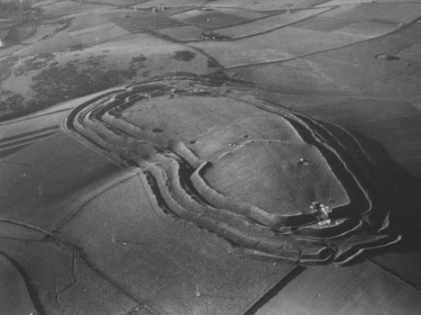
Maiden Castle in Dorset, England, is one of Europe’s largest Iron Age hill forts, built around 600 BC. Spanning 47 acres, it housed a community and was abandoned after the Roman invasion in AD 43.
Iron Age settlements in Britain ranged from small farms to large, fortified hillforts. These hillforts, which number in the thousands across Britain, varied in size, some housing only a few families while others accommodated larger populations. The largest hillforts, such as Maiden Castle in Dorset or Danebury in Hampshire, were significant centers of power and could be home to hundreds, if not thousands, of people.
Homes in the Iron Age were typically roundhouses, circular dwellings made from local materials. The walls were often constructed from wattle and daub, a combination of woven wood (wattle) and a mixture of mud, straw, and animal dung (daub). Roofs were usually thatched with straw or reeds. These roundhouses were designed to be practical, keeping out the cold in winter and providing cool shelter in summer.
Iron Age people were skilled in managing their environment. They cultivated crops such as barley, wheat, and oats, and raised cattle, sheep, and pigs. The landscape was shaped by their farming practices, with fields often enclosed by hedges or wooden fences to protect livestock and crops.
Warfare and Weapons

Celtic scabbards from the Iron Age
Warfare played a central role in Iron Age society, with tribal conflicts, territorial disputes, and raids being common. Warriors were held in high esteem, and successful leaders often rose to prominence through their military prowess. Iron weapons, including swords, spears, and shields, became more common as the technology of iron smelting spread.
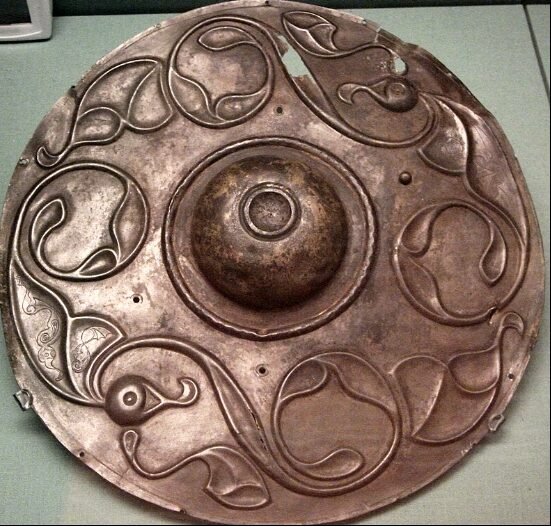
The Wandsworth Shield is an Iron Age shield boss, a central protective element of a shield, crafted in the La Tène style. It was discovered in the River Thames at Wandsworth, London. Like other shields of the time, it was likely used for ceremonial or votive purposes rather than in combat, as it shows no signs of battle wear.
Iron Age warriors fought on foot and were skilled in hand-to-hand combat. Shields made from wood and leather were used for protection, and swords, often made from iron, were prized possessions.
The use of chariots in battle, particularly in southern Britain, was another distinctive feature of Iron Age warfare. These lightweight vehicles were used for fast, mobile attacks and were often driven by skilled warriors who could quickly maneuver through the battlefield.
Fortifications, such as hillforts, were a testament to the importance of defense. These strongholds were not only military outposts but also symbols of power and wealth, as they required significant resources to build and maintain.
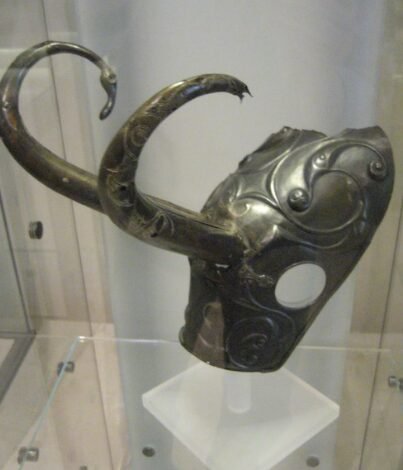
Celtic horse helmet, possibly protective headgear for a horse, on display at the Royal Scottish Museum, Chambers Street.
Economy and Trade
The Iron Age economy was primarily based on agriculture, with farming being the main source of livelihood for most people. Crops such as barley, wheat, and oats were grown, and livestock, including cattle, sheep, and pigs, were raised for meat, milk, and wool. Surplus produce was often traded, both locally and over longer distances, which fostered the development of market economies in some regions.
Trade with continental Europe played a significant role in shaping the economy of Iron Age Britain. The island’s tribes traded goods such as metals, grain, and textiles with their European neighbors, particularly those in Gaul (modern-day France). In return, they imported luxury goods such as wine, pottery, and jewelry, which were highly prized by the Iron Age elite. The presence of Mediterranean goods in Britain, particularly in southern areas, indicates the extent of these trade networks.
Ironworking was a critical industry during this time, with iron tools and weapons revolutionizing agriculture, warfare, and craftsmanship. The ability to smelt and forge iron gave communities a technological edge, allowing them to produce stronger tools and more durable weapons than those made from bronze, which had dominated earlier periods.
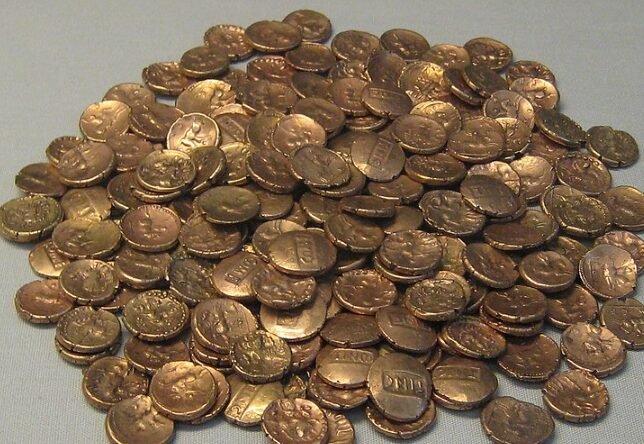
Trade and cultural exchange connected the people of Iron Age Britain to a wider Celtic world, influencing their society, language, and customs. These interactions helped shape their evolving economy and culture, while each region maintained its distinct identity.
Art and Culture

Iron Age art in Britain was vibrant and characterized by the Celtic style, which emphasized intricate patterns, swirling designs, and stylized representations of animals and humans. The art of this period is often associated with the La Tène culture, which spread across much of Europe and influenced Britain through trade and migration.
Artisans worked with materials such as iron, bronze, gold, and clay, creating objects of both practical and decorative use. Jewelry, such as brooches, torcs (neck rings), and bracelets, was often made from bronze or gold and adorned with intricate patterns. Pottery, while functional, also displayed artistic flair, with decorated vessels used in both daily life and ritual contexts.

Bronze comb from the Iron Age
Religion and spirituality were deeply ingrained in Iron Age culture. The people of this time were polytheistic, worshipping a variety of gods and goddesses associated with nature, fertility, and warfare. Sacred groves, springs, and rivers were often the focus of religious activities, and offerings of valuable goods, such as weapons, jewelry, and even human sacrifices, were made to these natural sites.
Druids, a class of priests and spiritual leaders, played a significant role in Iron Age religion, particularly in Celtic societies. They were regarded as the keepers of knowledge, responsible for conducting religious ceremonies, mediating disputes, and offering advice to rulers. The Druids were also believed to possess mystical powers and were feared and respected by both their own people and by enemies.

Iron Age Beaker
Interaction with Rome
The arrival of the Romans in 43 CE marked the end of the Iron Age in Britain and the beginning of a new era of Roman occupation. However, even before the Roman invasion, there had been significant contact between Britain and the Roman Empire. Trade links had been established, and some southern British tribes had adopted aspects of Roman culture, including coinage and Latin writing.
Julius Caesar’s expeditions to Britain in 55 and 54 BCE, though not resulting in long-term conquest, opened the door for further Roman involvement. Some British tribes, particularly those in the southeast, formed alliances with Rome, hoping to gain political and military advantages over their rivals.
The Roman invasion of 43 CE, led by Emperor Claudius, eventually resulted in the incorporation of much of Britain into the Roman Empire. However, the impact of Roman rule varied across the island. While southern and eastern regions were more fully integrated into Roman society, with towns, roads, and Roman-style governance, other areas, particularly in the north and west, remained more resistant to Roman influence and retained aspects of their Iron Age traditions.
READ MORE: Roman Emperors who changed the course of history
Religion and Burial Practices
Religion in Iron Age Britain was closely tied to nature, with many deities linked to natural features such as rivers, mountains, and forests. Worship was conducted outdoors, often in sacred groves or at springs, which were believed to be places where the divine and the human worlds could intersect. Ritual offerings of weapons, jewelry, and even human and animal sacrifices were made to these sacred sites as a way of honoring the gods and ensuring prosperity and protection.
Burial practices during the Iron Age varied across Britain, but many communities practiced cremation, with the ashes of the deceased placed in urns and buried in cemeteries or individual graves. In some regions, particularly in southern Britain, inhumation (burial of the body) was more common, and some high-status individuals were buried with grave goods such as weapons, jewelry, and pottery. These grave goods were likely meant to reflect the status of the deceased in life and to provide them with the tools and wealth they would need in the afterlife.
Did you know…?
The Battersea Shield is a highly decorative, ceremonial shield dating from the Iron Age, around 350–50 BCE. It was discovered in the River Thames at Battersea, London, in 1857. The shield is made of bronze and features intricate La Tène-style designs, which include swirling patterns and repoussé work.
The Battersea Shield is believed to have been a votive offering, cast into the river as part of a religious ritual, rather than used in battle, due to its delicate craftsmanship. It is now displayed in the British Museum.
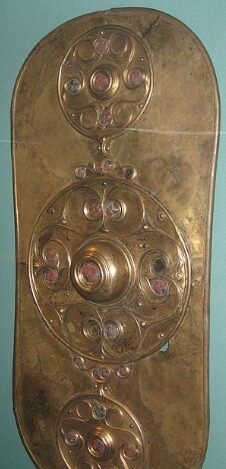
The Battersea Shield is now displayed in the British Museum.
Technological Advancements
One of the most significant technological advancements of the Iron Age was, unsurprisingly, the widespread use of iron. Iron ore, more abundant than the tin and copper used in earlier periods to make bronze, became the primary material for making tools and weapons. Iron tools were stronger and more durable than their bronze counterparts, making agricultural tasks such as plowing and harvesting more efficient. This increase in productivity likely contributed to population growth and the expansion of settlements.
Iron weapons, including swords, spears, and arrowheads, gave Iron Age warriors an advantage in battle. The ability to produce stronger, more reliable weapons may have been a key factor in the rise of powerful warlords and the establishment of larger political units, such as confederations of tribes.
In addition to ironworking, the Iron Age saw advances in pottery, textile production, and carpentry. Pottery kilns became more sophisticated, allowing for the production of higher-quality ceramics, while textile production was revolutionized by the introduction of the vertical loom, which made weaving faster and more efficient. Woodworking also advanced, with Iron Age carpenters using iron tools to construct more complex buildings and fortifications.
Legacy of Iron Age Britain
The legacy of Iron Age Britain is still evident today in the landscape, language, and culture. Many of the hillforts and other earthworks constructed during this time remain visible, dotting the countryside and serving as reminders of the island’s ancient past. Place names, particularly those in Celtic languages such as Welsh, Cornish, and Gaelic, often have roots in the Iron Age, reflecting the long-lasting influence of the tribes who inhabited Britain before the Roman conquest.
The mythology and folklore of Iron Age Britain, much of which was passed down orally, continued to influence later cultures, including the Arthurian legends and other tales of heroic kings and warriors. The Druids, in particular, became figures of fascination in later centuries, with their mystical powers and spiritual knowledge inspiring generations of storytellers and historians.
Frequently Asked Questions about Iron Age Britons

The Iron Age was a time of creativity, conflict, and change, laying the foundations for the Britain that would emerge in the centuries to come.
What can be said about the physical characteristics of the people of Iron Age Britain?
The people of Iron Age Britain were physically diverse, much like modern Europeans. There was no uniformity in hair color, eye color, or skin complexion among them, reflecting a wide range of physical characteristics.
What language(s) did the Iron Age Britons speak, and how did these languages likely spread?
Iron Age Britons spoke one or more Celtic languages, which probably spread to Britain through trade and cultural exchanges with other Celtic-speaking peoples. This spread occurred gradually rather than through a large-scale invasion of Celtic peoples.
Is there any evidence of a large-scale Celtic invasion of Britain during the Iron Age?
No, there is currently no evidence to support the idea of a large-scale invasion of Celtic peoples into Britain during the Iron Age. The spread of Celtic languages likely happened through peaceful contact and exchange rather than invasion.
What name did the Romans give to the people of Iron Age Britain and the island itself?
The Romans called the people of Iron Age Britain “Britons” and referred to the island as “Britannia,” meaning “land of the Britons.”
How did the Britons relate to other Celtic-speaking peoples in Europe?
The Britons shared many cultural practices with other Celtic-speaking peoples in western Europe, whom the Romans called Celts or Gauls. Trade and intermarriage between Britain and mainland Europe were common, but despite these connections, Celtic-speaking peoples across Europe were culturally diverse.
What is the Battersea Cauldron?
The Battersea Cauldron is a large, ancient bronze cauldron dating from between 800 and 650 BCE. It was discovered in the River Thames at Battersea, London. The cauldron is one of the most significant prehistoric artifacts from Britain and is thought to have been used in feasts or possibly for ritual purposes.
Its large size suggests it played a communal role in Iron Age society. The cauldron is currently on display at the British Museum, where it provides insights into the craftsmanship and ceremonial practices of the time.

The Battersea cauldron
What have skeletal studies revealed about the height of Iron Age Britons?
Skeletal studies indicate that the average height for women in Iron Age Britain was about 1.5 meters (5 feet 2 inches), with some as short as 1.4 meters (4 feet 9 inches) and others as tall as 1.7 meters (5 feet 7 inches). Men were generally taller, averaging 1.69 meters (5 feet 6 inches), with the shortest being 1.6 meters (5 feet 2 inches) and the tallest 1.8 meters (5 feet 11 inches).
Was there regional variation in the physical characteristics of Iron Age Britons?
Yes, there was regional variation in height and health. For example, people living in East Yorkshire between 400 and 100 BCE were generally taller than those living in Hampshire, reflecting differences in local conditions and lifestyles.

The legacy of Iron Age Britons, though often overshadowed by the later Roman period, remains an integral part of Britain’s historical and cultural identity. Image: Reconstruction of Earth House in the Iron Age
What factors shaped the diversity of life in Iron Age Britain?
The diversity of life in Iron Age Britain was shaped by localized conditions such as geography, resources, and interactions with neighboring societies. This resulted in variation in physical stature, health, and cultural practices across different regions.
How did Celtic languages and customs spread across Britain?
Celtic languages and customs spread across Britain through cultural diffusion, likely facilitated by trade and interaction with other Celtic-speaking peoples. This spread occurred gradually and was not the result of conquest.
How did Iron Age Britons adapt to changing conditions in their society?
Iron Age Britons adapted to shifting economic, social, and environmental conditions over time. Their society was influenced by internal developments as well as external contacts, and through trade, exchanges, and advancing technologies, they evolved and left a lasting legacy on Britain’s history.
The Decline of Roman Britain and the Rise of Anglo-Saxon England