What was the Conway Cabal?
The Conway Cabal was a loosely organized political and military movement during the American Revolutionary War that sought to replace General George Washington as commander-in-chief of the Continental Army.
The cabal took its name from Brigadier General Thomas Conway, who was openly critical of Washington’s leadership. Though the movement lacked formal structure, it reflected dissatisfaction among some Continental Army officers and members of Congress with Washington’s command following several battlefield defeats in 1777.
This dissatisfaction, paired with the emergence of Horatio Gates as an alternative leader after his success at the Battles of Saratoga, fueled the cabal. Although the conspiracy failed to unseat Washington, it underscored the internal tensions within the Continental Army and Congress, ultimately reinforcing Washington’s leadership and solidifying his role as a unifying figure.
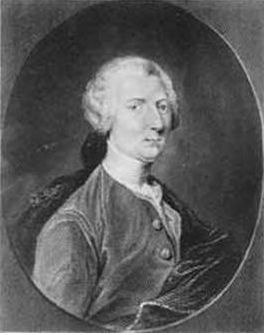
Image: Thomas Conway
Background of the Conway Cabal
In 1777, the Revolutionary War was in full swing, and the Continental Army, under George Washington’s command, faced numerous challenges against the better-trained and better-equipped British forces. That year, Washington’s army suffered several setbacks, including defeats at the Battle of Brandywine in September and the Battle of Germantown in October, which allowed British forces to occupy Philadelphia, the American capital and the seat of the Second Continental Congress. The loss of Philadelphia was particularly demoralizing for Congress and the American public, who began to question Washington’s effectiveness as a military leader.
In contrast to Washington’s setbacks, the northern army under General Horatio Gates achieved a decisive victory over British General John Burgoyne at the Battles of Saratoga in October 1777. This victory was pivotal, not only because it was a rare American success, but because it convinced France to enter the war as an ally of the United States.
Gates was widely praised for this victory, even though historians argue that Benedict Arnold’s aggressive tactics played a crucial role in securing the win. Arnold, who led key assaults during the battle, was sidelined in official reports, and Gates received the majority of the credit. His new prominence led some in Congress and the military to view him as a preferable alternative to Washington.

Image: George Washington (1732 – 1799)
Key Figures and Their Motivations
The Conway Cabal involved a range of individuals from different backgrounds, including military officers, congressional leaders, and foreign military advisors who had joined the American cause. Each participant had their reasons for questioning Washington’s command, creating a loose network of critics rather than an organized conspiracy.
- Horatio Gates: As the victor of Saratoga, Gates became a popular figure in the American public and among members of Congress. Gates had been politically well-connected even before Saratoga, and after his victory, he was seen by some as a potential replacement for Washington. Although he publicly distanced himself from direct involvement in the cabal, Gates was sympathetic to the idea of becoming commander-in-chief.
- Thomas Conway: Conway was an Irish-born soldier who had served in the French military before joining the Continental Army in 1777. He was outspoken in his criticism of Washington’s leadership and made comments to Gates suggesting Washington’s weakness as a leader. Conway’s letters, which were eventually exposed, provided evidence of the cabal and became a focal point of the controversy. His ambition for promotion and desire for a prominent role in the army motivated his participation.
- Thomas Mifflin: A former quartermaster general, Mifflin had a strained relationship with Washington and saw him as an inexperienced leader. Mifflin’s dissatisfaction stemmed from personal grievances and his belief that Congress should exert greater control over military affairs. He supported the establishment of the Board of War and was a central figure in the movement to oversee Washington’s command.
- Richard Henry Lee and John Adams: Both congressmen were wary of centralized military power and preferred a stronger Congressional oversight of the army. Adams, though not explicitly advocating for Washington’s removal, feared Washington’s rise to a “military idol” status, which he felt could be dangerous to republican values.
- Foreign Officers: Some French officers who had joined the American cause were also critical of Washington. Notably, Johann de Kalb and Louis Duportail expressed concerns over Washington’s strategies and supported greater military oversight by Congress.

Image: Portrait of Horatio Gates. Artwork by American painter Gilbert Stuart.
The Role of the Board of War
The Board of War became a pivotal institution in the Conway Cabal. Initially, Washington himself suggested that an administrative body be created to help supply and manage the army’s logistics. However, members of Congress used this opportunity to create a powerful oversight body that could potentially exert control over Washington’s decisions. In late 1777, Congress appointed Mifflin, Lee, and Gates to the Board of War, giving them the authority to oversee army operations, including Washington’s actions.
The Board’s authority increased tensions within the military, as it threatened Washington’s autonomy as commander-in-chief. By appointing Gates as chairman of the Board of War, Congress effectively elevated him to a position where he could exert influence over Washington’s strategy and access resources. Gates’s appointment also demonstrated Congress’s willingness to entertain the idea of an alternative commander, even if they did not explicitly seek Washington’s removal.
The “Smoking Gun”: Conway’s Letter and Washington’s Response
The name “Conway Cabal” originates from a letter written by Thomas Conway to Gates in which Conway criticized Washington’s leadership, reportedly saying, “Heaven has been determined to save your country, or a weak General and bad counselors would have ruined it.” James Wilkinson, an aide to Gates, revealed this remark to General William Alexander (known as Lord Stirling) during a drunken conversation. Stirling informed Washington of the comment, which outraged him.
Washington responded by writing to Conway in November 1777, pointedly quoting the comment and questioning Conway’s loyalty. Conway, in turn, denied the wording, though he did not deny criticizing Washington. The exchange between Washington and Conway revealed Washington’s suspicions that his subordinates were conspiring against him, a realization that likely contributed to Washington’s determination to assert his leadership.
Meanwhile, Gates attempted to downplay the matter, claiming ignorance of any scheme against Washington. However, Gates’s reputation was damaged by the incident, and his credibility suffered further when he lied to Congress about his correspondence with Conway. The letter became the “smoking gun” in what had been a covert movement against Washington, leading to a crisis within the Continental Army’s leadership.
Deteriorating Relationships and Growing Tensions
The Conway Cabal exacerbated the strained relationships between Washington and several Continental Army officers. Washington’s distrust of Conway and Mifflin only grew as he perceived them as threats to his command. Mifflin’s involvement in the Board of War, coupled with Conway’s promotion to Inspector General in December 1777, further elevated tensions.
In response to these developments, Washington’s supporters rallied to counter the influence of the cabal. Colonels and officers loyal to Washington, such as Alexander Hamilton, Henry Laurens, and the Marquis de Lafayette, worked behind the scenes to defend Washington’s leadership and prevent Gates and his allies from gaining more power. Hamilton played a critical role in this regard by insisting that Gates release troops to Washington’s command after the Saratoga victory, thereby asserting Washington’s authority.
The Cabal’s Collapse and Aftermath
As news of the cabal’s activities spread, its supporters faced significant backlash. Washington’s popularity with Congress and the public proved resilient, and many Americans viewed the cabal’s efforts as an attack on a leader who symbolized the unity of the Revolutionary cause. Additionally, infighting among the cabal’s members and their supporters weakened the movement. For example, James Wilkinson, who had aligned himself with Gates, ultimately revealed himself as Washington’s source for Conway’s comments, further fracturing the movement.
Disputes between key figures led to public confrontations and even duels. In one infamous episode, Thomas Conway challenged Brigadier General John Cadwalader to a duel after Cadwalader criticized Conway’s role in the cabal. Conway was severely injured in the duel, taking a bullet to the mouth, which led him to apologize to Washington before returning to France. Gates, embarrassed and isolated, issued a formal apology to Washington, acknowledging his failure to control the situation.
Ultimately, the cabal’s failure strengthened Washington’s position. As the conspiracy unraveled, Congress and the Continental Army rallied behind Washington, recognizing him as an essential unifying figure. No serious attempt to replace him was made for the remainder of the Revolutionary War, solidifying his role as commander-in-chief.

Image: The General Gates House in York, Pennsylvania, is believed to have hosted a significant meeting of the cabal.
Legacy of the Conway Cabal
The Conway Cabal remains a significant episode in Revolutionary War history for several reasons. First, it illustrated the factionalism and political rivalries that permeated the Continental Army and Congress. Disagreements over military strategy, leadership, and Congressional control exposed underlying tensions within the American leadership that threatened the unity of the cause. The cabal highlighted the dangers of divided loyalties and the potential for personal ambition to destabilize the war effort.
Second, the cabal reaffirmed Washington’s position as a symbol of American resilience and unity. By overcoming the political maneuvering of his detractors, Washington demonstrated his ability to lead effectively despite internal divisions. His supporters’ success in defending him reinforced his reputation and allowed him to emerge as a national figure with widespread respect.
Lastly, the Conway Cabal is a reminder of the fragile state of the American military and political structure during the war. The cabal revealed that Washington’s leadership was not universally supported, and it underscored the challenges he faced in maintaining control over a diverse group of officers with differing opinions and ambitions.
Conclusion
The Conway Cabal was an informal, loosely organized effort by certain Continental Army officers and Congressional leaders to replace George Washington as commander-in-chief during a challenging phase of the Revolutionary War. Spurred by Washington’s defeats and Horatio Gates’s success at Saratoga, the cabal reflected dissatisfaction with Washington’s command and the desire of some to increase Congressional oversight of the war. Though it lacked a formal structure, the cabal’s criticisms of Washington became public when Thomas Conway’s critical remarks were exposed, leading to a crisis within the army.
The cabal ultimately failed, primarily because Washington retained the confidence of Congress, the public, and a loyal group of officers who countered the cabal’s influence. The conspiracy’s collapse not only strengthened Washington’s leadership but also solidified his symbolic role in the Revolutionary War. Although the cabal left lasting scars on Washington’s relationships with certain officers, it underscored his importance as a unifying figure for the nascent nation, affirming his place as an indispensable leader in America’s fight for independence.
Frequently Asked Questions
What events led to doubts about George Washington’s leadership in 1777?
In the fall of 1777, British forces captured Philadelphia, forcing Congress to relocate to York, Pennsylvania. The Continental Army’s defeats at Brandywine and Germantown heightened doubts about Washington’s leadership among members of Congress and the military.
How did General Horatio Gates’s victory at Saratoga affect Washington’s position?
Gates’s victory at Saratoga, where British General John Burgoyne surrendered, boosted his reputation and led some in Congress to consider him as a possible replacement for Washington, especially as Gates received much of the credit, overshadowing Benedict Arnold’s contributions.
What was John Adams’s concern regarding Washington’s leadership?
John Adams worried that Washington was becoming a “military idol,” potentially undermining republican values, and preferred tighter Congressional control over the war effort rather than relying solely on Washington’s leadership.
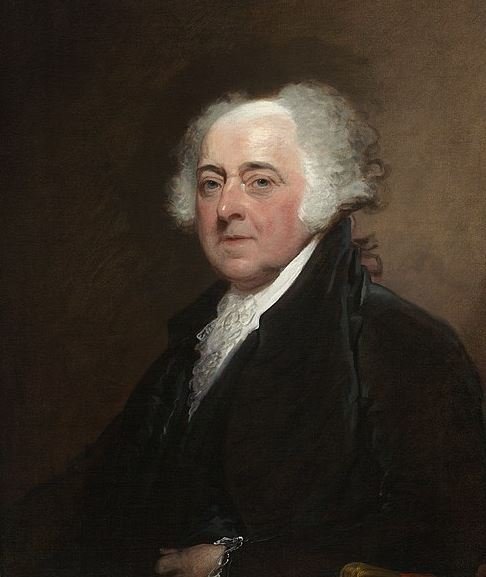
Image: John Adams
How did Gates handle his report on Saratoga, and why did it cause tension?
Instead of sending his report to Washington, Gates bypassed him and sent it directly to Congress, his political allies. Washington responded by sending Alexander Hamilton to Gates, requesting reinforcements, which Gates initially resisted, deepening the rift between the two generals.
What was the “Conway Cabal,” and how did it originate?
The Conway Cabal was an informal movement among discontented officers and congressmen who criticized Washington’s leadership and preferred Gates in command. It was named after General Thomas Conway, who had written a letter to Gates criticizing Washington.
How did Washington respond to Conway’s criticisms?
When Washington learned of Conway’s critical remarks, he sent Conway a pointed letter, confronting him over his disloyalty and showing his growing suspicion of a conspiracy against him.
What role did the Board of War play in the Conway Cabal?
Thomas Mifflin and Conway supported establishing a Board of War with Gates as chair. This board could potentially oversee Washington’s actions, which intensified the strained relationships between Washington, Mifflin, and Conway.
How did the Conway Cabal ultimately weaken?
The cabal weakened as disagreements and duels among its members created tension. James Wilkinson exposed himself as Washington’s source for Conway’s remarks, forcing Gates to apologize, and Conway was severely injured in a duel with John Cadwalader.
What was the outcome of the Conway Cabal for Washington?
Though the Conway Cabal aimed to undermine Washington, it backfired. Americans rallied around Washington, strengthening his leadership position and solidifying his command for the remainder of the Revolutionary War.





