What was the Pre-Raphaelite Brotherhood?
The Pre-Raphaelite Brotherhood (PRB) was a transformative artistic and literary movement in mid-19th century England, established in 1848 by seven young visionaries. They sought to challenge prevailing artistic norms and revitalize a sense of sincerity, naturalism, and spirituality in art and literature.
In the article below, World History Edu covers the history of the PRB, its founding members, their principles, major works, and lasting impact on the world of art.
History of the Pre-Raphaelite Brotherhood
The PRB was founded in London in 1848, during a time of significant social, political, and cultural upheaval. Europe was experiencing revolutionary waves, industrialization was reshaping societies, and Victorian England was navigating a complex balance of rapid progress and traditional values.
In this context, a group of seven like-minded individuals—William Holman Hunt, John Everett Millais, Dante Gabriel Rossetti, William Michael Rossetti, James Collinson, Frederic George Stephens, and Thomas Woolner—came together to form a “Brotherhood” of artists and intellectuals.
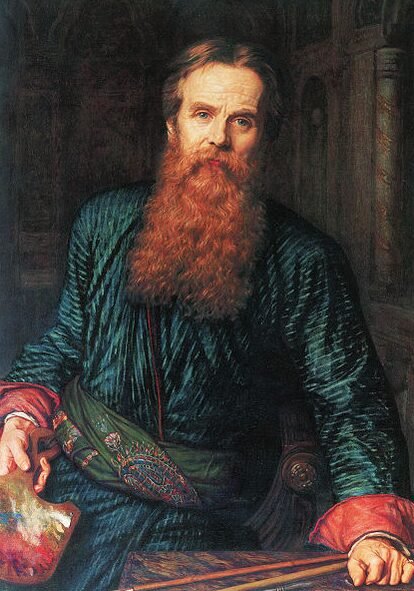
The Pre-Raphaelite Brotherhood sought to reform art by reviving the vivid detail, rich colors, and intricate compositions of Italian Quattrocento art, rejecting the mechanistic techniques of Mannerist and academic art. Image: William Holman Hunt.
Origins and Inspiration
The founders were students or associates of the Royal Academy of Arts, where academic traditions dominated the teaching and practice of art. They grew disenchanted with the conventional styles promoted by the Academy, particularly the rigid compositions and idealized forms that they felt stifled artistic creativity. Inspired by the German Nazarene movement and the naturalism of Italian Quattrocento painters (the period before Raphael and Michelangelo), they sought a new direction.
The group formally established the Brotherhood in September 1848, agreeing to create works characterized by detail, vibrant colors, and emotional sincerity. They adopted the name “Pre-Raphaelite” to signify their admiration for art before Raphael, which they believed was marked by purity, simplicity, and truthfulness.
The Movement’s Key Goals
The PRB had several core objectives:
- To challenge the “mechanistic” and formulaic approach to art promoted by academic institutions.
- To revive the vivid colors, intricate details, and naturalistic depictions of nature found in pre-Renaissance art.
- To emphasize sincerity and spirituality in artistic expression.
- To integrate art with literature, creating a holistic aesthetic vision.
To promote their ideas, they developed a short-lived journal, The Germ, which featured essays, poetry, and commentary on their artistic philosophy.
Membership of the Pre-Raphaelite Brotherhood
The PRB’s founding members represented a range of artistic and intellectual talents:
- William Holman Hunt (1827–1910): Known for his meticulous attention to detail and vivid use of color, Hunt’s works often explored moral and religious themes. His painting The Light of the World remains one of the most celebrated examples of Pre-Raphaelite art.
- John Everett Millais (1829–1896): A child prodigy and highly skilled painter, Millais brought technical mastery to the Brotherhood. His works, such as Ophelia, are renowned for their lush naturalism and emotional resonance.
- Dante Gabriel Rossetti (1828–1882): A poet, painter, and illustrator, Rossetti was the movement’s charismatic leader and visionary. His works, such as Beata Beatrix and The House of Life, exemplify the fusion of poetry and painting central to the PRB.
- William Michael Rossetti (1829–1919): Dante Gabriel’s brother, William Michael was primarily a writer and art critic. He chronicled the Brotherhood’s activities and helped articulate its principles through his essays and commentary.
- James Collinson (1825–1881): A painter and devout Catholic, Collinson contributed to the Brotherhood’s early works but later left the group, feeling conflicted about its secular influences.
- Frederic George Stephens (1827–1907): Originally a painter, Stephens later became an influential art critic, championing the PRB’s ideals and documenting its history.
- Thomas Woolner (1825–1892): A sculptor and poet, Woolner’s work reflected the Brotherhood’s commitment to emotional depth and fidelity to nature.
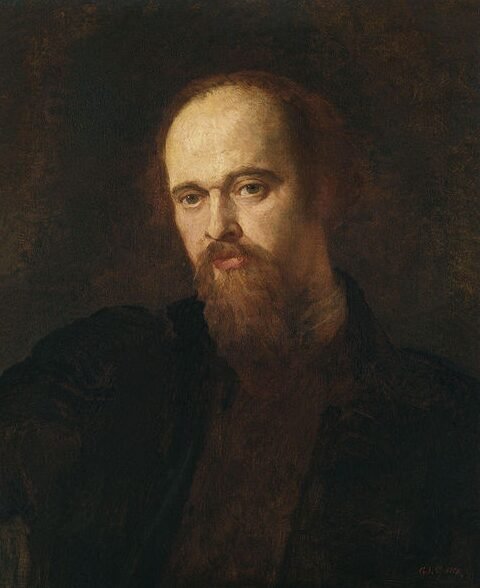
Image: A painting of Dante Gabriel Rossetti by British artist George Frederic Watts.
Associated Artists
Though not formal members, several artists and writers were closely associated with the PRB and shared its principles:
- Ford Madox Brown: His work greatly influenced the PRB, and he often collaborated with its members.
- Arthur Hughes: Known for his poetic and ethereal paintings, he adopted many Pre-Raphaelite techniques.
- Marie Spartali Stillman: A later adherent to Pre-Raphaelite ideals, Spartali Stillman created works characterized by their lush romanticism.
- Edward Burne-Jones and William Morris: While they came after the Brotherhood dissolved, they were profoundly influenced by its ideals and carried its legacy forward in the Aesthetic and Arts and Crafts movements.
Key Principles and Artistic Style
The PRB’s philosophy was rooted in a rejection of academic rigidity and an embrace of naturalism and authenticity. Their artistic and literary endeavors were shaped by the following principles:
Mimesis (Imitation of Nature)
The Brotherhood emphasized direct observation of nature as the foundation of art. They sought to depict scenes with precise detail and vibrant realism, capturing textures, light, and atmosphere.
Vibrant Color and Detail
In contrast to the muted tones favored by academic painting, Pre-Raphaelite art featured rich, jewel-like colors. Every detail in their works, from botanical elements to intricate textiles, was meticulously rendered.
Spiritual and Moral Themes
Religious and moral narratives often featured in their works, reflecting their belief in art as a medium for spiritual and ethical reflection. Paintings such as Hunt’s The Light of the World convey Christian symbolism and moral allegory.
Revival of Medieval and Early Renaissance Ideals
The PRB drew inspiration from medieval art, literature, and culture. This influence is evident in their choice of subject matter, including Arthurian legends, biblical stories, and literary themes.
Fusion of Art and Literature
The Brotherhood often integrated poetry with visual art. Dante Gabriel Rossetti exemplified this approach by writing sonnets to accompany his paintings, such as The Girlhood of Mary Virgin.
Famous Works and Achievements
The PRB produced many iconic works that embody their ideals:
Ophelia by John Everett Millais (1851–1852)
One of the most famous Pre-Raphaelite paintings, Ophelia depicts the tragic Shakespearean character surrounded by lush natural detail. The work’s vibrant colors and precise botanical accuracy exemplify the Brotherhood’s dedication to nature.
The Light of the World by William Holman Hunt (1853–1854)
This allegorical painting portrays Christ as a beacon of spiritual guidance. Its symbolism and meticulous execution highlight Hunt’s skill and the PRB’s emphasis on moral and religious themes.

Image: “The Light of the World”
Beata Beatrix by Dante Gabriel Rossetti (1864–1870)
Inspired by the death of Rossetti’s wife, Elizabeth Siddal, this painting merges personal grief with spiritual symbolism, showcasing the intertwining of life, art, and emotion central to Rossetti’s work.
The Awakening Conscience by William Holman Hunt (1853)
A depiction of a morally charged moment, this painting captures a woman realizing her compromised position in a relationship. Its symbolic details and vibrant composition convey the PRB’s focus on moral storytelling.
Publications and Outreach
To promote their philosophy, the Brotherhood launched a periodical called The Germ in 1850. Though it lasted only four issues, it provided a platform for the PRB’s essays, poetry, and artistic commentary. Contributors included Dante Gabriel Rossetti, William Michael Rossetti, and Thomas Woolner.
Their ideas were further documented in the Pre-Raphaelite Journal, a private record of their debates and creative processes.
Decline and Legacy
The PRB dissolved after approximately five years, as the members’ careers and artistic visions diverged. However, their influence persisted:
The ideals of the PRB shaped the Aesthetic movement, which emphasized beauty and artistic experience, and the Arts and Crafts movement, led by William Morris, which promoted craftsmanship and a return to traditional artistic methods.
Artists like Edward Burne-Jones and John William Waterhouse continued to draw on Pre-Raphaelite themes and techniques, creating works inspired by the Brotherhood’s emphasis on detail, naturalism, and symbolism.
The PRB redefined the relationship between art and literature, influencing how artists and writers approached storytelling and visual expression. Their focus on authenticity, individuality, and emotional depth resonates in contemporary art and design.
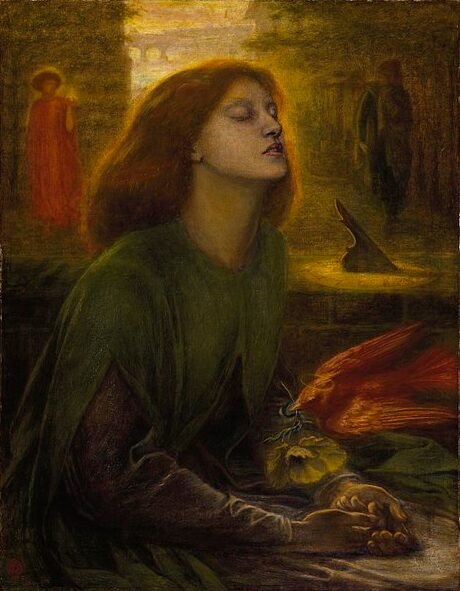
Image: Dante Gabriel Rossetti’s “Beata Beatrix”.
Key Facts About the Pre-Raphaelite Brotherhood
- Founded: 1848 in London.
- Founders: William Holman Hunt, John Everett Millais, Dante Gabriel Rossetti, William Michael Rossetti, James Collinson, Frederic George Stephens, and Thomas Woolner.
- Influence: Inspired by Italian Quattrocento art and the German Nazarene movement.
- Principles: Naturalism, vivid detail, moral storytelling, and spiritual themes.
- Symbolism: Religious and medieval motifs were prominent in their works.
- Key Publications: The Germ (1848–1850) and the Pre-Raphaelite Journal.
- Associated Artists: Ford Madox Brown, Arthur Hughes, Edward Burne-Jones, and William Morris.
- Famous Works: Ophelia, The Light of the World, Beata Beatrix, and The Awakening Conscience.
- Criticism: The PRB faced resistance from the art establishment, particularly the Royal Academy, but gained support from critics like John Ruskin.
- Legacy: Influenced the Aesthetic and Arts and Crafts movements and remains celebrated for its innovative contributions to 19th-century art.
Conclusion
The Pre-Raphaelite Brotherhood’s impact on art and literature transcended its brief existence. By challenging academic conventions and embracing naturalism, spirituality, and emotional authenticity, the PRB redefined artistic expression. Their works remain celebrated for their beauty, symbolism, and moral depth, and their legacy continues to inspire artists and writers worldwide.
Frequently Asked Questions

What inspired the Pre-Raphaelite Brotherhood?
The PRB was inspired by the German Nazarene movement and the art of the Italian Quattrocento period (pre-Raphael). They aimed to emulate the sincerity, detail, and spirituality of this era while opposing what they saw as the formulaic and uninspired art influenced by Raphael, Michelangelo, and the later academic traditions.
What were the goals and principles of the PRB?
The PRB aimed to:
- Revive the naturalism and intricate details of Quattrocento art.
- Reject the “mechanistic” methods of Mannerist and academic art, especially those influenced by Sir Joshua Reynolds.
- Promote mimesis (faithful imitation of nature) and history painting.
- Focus on emotional sincerity, spiritual themes, and moral integrity in their work.
Why did the Pre-Raphaelites criticize Sir Joshua Reynolds?
The PRB criticized Sir Joshua Reynolds, the founder of the Royal Academy of Arts, for promoting a formulaic and conventional style of art that they deemed lax and superficial. They nicknamed him “Sir Sloshua” to mock what they viewed as the “sloshy” or uninspired nature of his approach.
What are the key characteristics of Pre-Raphaelite art?
Pre-Raphaelite art is characterized by:
- Abundant Detail: Precise and meticulous rendering of textures, landscapes, and facial expressions.
- Intense Colors: Vibrant palettes that enhanced the drama and emotion of their subjects.
- Complex Compositions: Layered, intricate designs inspired by biblical, medieval, and literary themes. These works often incorporated Christian motifs and reflected moral and spiritual undertones.
How did John Ruskin influence the PRB?
John Ruskin, a prominent art critic and moralist, was a significant influence on the PRB. He championed their emphasis on truth, naturalism, and spirituality, aligning with their rejection of academic conventions and promotion of sincere and authentic art.
How did the PRB promote their ideas and philosophy?
The PRB promoted their ideas through:
- The Germ, a short-lived periodical dedicated to their principles.
- The Pre-Raphaelite Journal, where they recorded debates and discussions about their philosophy and artistic practices. These publications served to disseminate their reformist ideas and artistic vision.
How long did the Brotherhood last, and what happened afterward?
The Brotherhood officially dissolved after about five years, but their principles continued to influence later artists, including Edward Burne-Jones, William Morris, and John William Waterhouse. The ideals of the PRB also resonated with associated figures like Ford Madox Brown, Arthur Hughes, and Marie Spartali Stillman.
Who were later followers of the Pre-Raphaelite principles?
Later followers of the PRB principles included Edward Burne-Jones, William Morris, and John William Waterhouse. Additionally, artists like Ford Madox Brown, Arthur Hughes, and Marie Spartali Stillman embraced their ideals, further advancing the movement’s influence on art and design.





