What were the Illyro-Roman Wars?
by World History Edu · January 11, 2025
Background: Illyria’s Growing Power
The Illyrian Kingdom, under the Ardiaei and later the Labeatae, grew into a significant power in the Adriatic during the 3rd century BCE. The reign of Agron saw unprecedented military successes, including attacks on Greek cities and raids across the Adriatic, using the nimble lembi warships. Agron’s widow, Queen Teuta, expanded upon this legacy, granting pirates free rein to plunder trade ships. This unchecked piracy alarmed the Roman Republic, whose commercial interests were increasingly entangled in the Adriatic following the First Punic War.
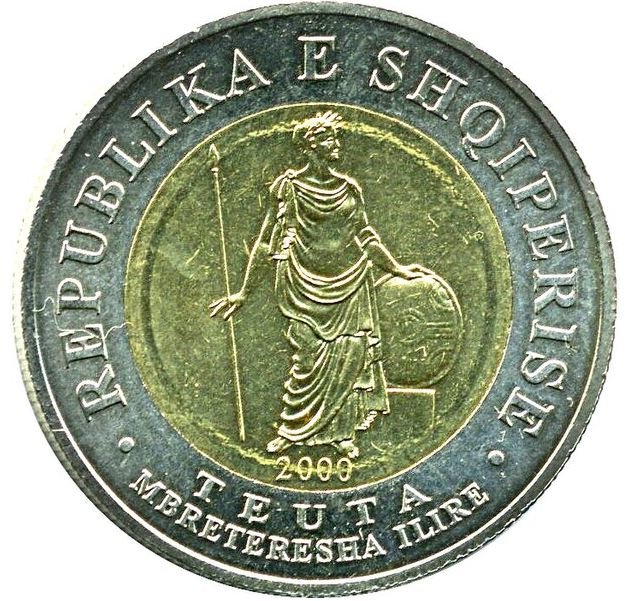
Queen Teuta depicted on an Albanian coin
READ ALSO: Answers to Frequently Asked Questions about the Punic Wars
The Prelude to War: Illyria’s Aggression
Agron’s death left the Illyrian Kingdom vulnerable yet aggressive under Teuta’s rule. The kingdom’s use of naval forces to attack coastal Greek cities and disrupt trade routes, alongside the murder of a Roman envoy, incited outrage in Rome. Teuta’s inability—or unwillingness—to curb piracy created a direct challenge to Roman authority in the region, setting the stage for the first armed conflict.
First Illyrian War (229–228 BCE)
Rome initiated the First Illyrian War to secure Adriatic trade routes and avenge the death of its envoy. Roman consuls Lucius Postumius Albinus and Gnaeus Fulvius Centumalus led a naval expedition, targeting key Illyrian-controlled territories like Epidamnus, Apollonia, and Corcyra. Rome expelled Illyrian garrisons and established protectorates over these cities, showcasing its military prowess.
Rome installed Demetrius of Pharos, a defector from Teuta’s court, as a local ruler to counterbalance Illyrian power. This move neutralized Teuta’s influence and marked the first Roman victory in the region.
Treaty of 228 BCE
The war ended with Teuta paying tribute to Rome and accepting territorial restrictions. The treaty limited Illyrian naval activities, preventing the kingdom from sailing beyond Lissus with armed vessels. This peace reshaped the balance of power, curtailing Illyrian ambitions and enhancing Roman control.
Second Illyrian War (220–219 BCE)
Despite his role as a Roman ally, Demetrius of Pharos violated the treaty by rebuilding his fleet and attacking Greek cities. His actions, including piracy and the seizure of Pylos and the Cyclades, provoked Roman intervention. This time, Rome’s primary concern was to secure its hold on the Adriatic while preparing for the Second Punic War.
Led by Lucius Aemilius Paulus, the Roman forces captured the fortress of Dimale and defeated Demetrius at Pharos. Demetrius fled to Macedon, where he became a trusted advisor to Philip V. This war consolidated Roman dominance in the Adriatic and ensured compliance from Illyrian territories.

A map showing the Mediterranean circa 218 BC
Third Illyrian War (168 BCE)
Gentius, king of the Labeatae, initially allied with Rome against Macedon but later shifted loyalties to Perseus of Macedon. His arrest of Roman envoys and attacks on Roman allies like Apollonia and Dyrrhachium marked the beginning of hostilities.
Lucius Anicius Gallus led the Roman forces against Gentius. The decisive battle at Scodra resulted in Gentius’ defeat and capture. He was paraded in Rome during Gallus’ triumph, symbolizing the final subjugation of Illyria.
Illyria’s Decline
The Roman victories dismantled the Illyrian Kingdom. Rome imposed heavy tributes, prohibited naval expansions, and established a protectorate over remaining territories. The kingdom’s urban centers were garrisoned, and local rulers, such as the Parthini and Atintani, were granted autonomy under Roman oversight. Illyrian piracy, once a hallmark of its maritime strength, ceased entirely.
Strategic Implications of the Illyrian Wars
The Illyro-Roman Wars secured Roman supremacy in the Adriatic, paving the way for further expansion into the Balkans and Greece. By controlling strategic ports like Corcyra and Apollonia, Rome could monitor maritime activities and protect its burgeoning trade networks.
After the war, Illyria transitioned from a formidable maritime power to a subdued region under Roman control.
Rome’s involvement in Illyria served as a precursor to the Macedonian Wars. Demetrius of Pharos’ exile to Macedon and the alliance between Gentius and Perseus exemplified the interconnectedness of Illyrian and Macedonian politics, drawing Rome deeper into Hellenistic conflicts.
READ ALSO: Constitution of the Roman Republic
Questions and Answers

Why did Rome intervene in Illyria?
Rome intervened due to Illyrian piracy disrupting trade, the murder of a Roman envoy by Queen Teuta, and the need to protect its Adriatic interests after the First Punic War.
Who were the key Illyrian leaders in these wars?
Key leaders included Agron, who initially expanded Illyrian power; Queen Teuta, known for her aggressive policies; Demetrius of Pharos, who rebelled against Rome; and King Gentius, who allied with Macedon against Rome.
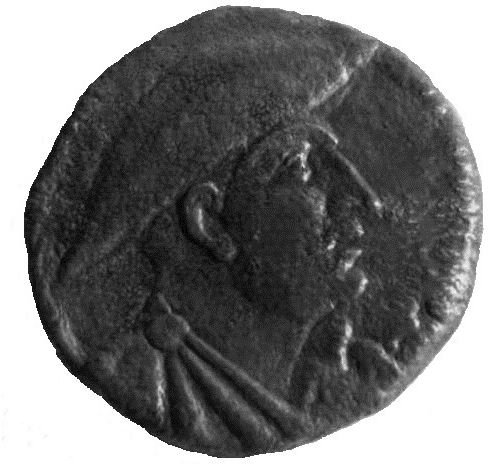
Coinage of King Gentius.
What were the major outcomes of the First Illyrian War (229–228 BCE)?
Rome defeated Teuta, established protectorates over key Greek cities like Corcyra and Apollonia, and restricted Illyrian naval activities, marking its first expansion into the Balkans.
What triggered the Second Illyrian War (220–219 BCE)?
Demetrius of Pharos violated the treaty with Rome by rebuilding his fleet and attacking Greek cities, leading to a Roman campaign that defeated him at Pharos.
What was the significance of the Third Illyrian War (168 BCE)?
King Gentius’ alliance with Perseus of Macedon and his attacks on Roman allies led to his defeat at Scodra by Lucius Anicius Gallus, marking the end of Illyrian independence.
How did the wars affect Roman expansion?
The wars secured Rome’s dominance in the Adriatic, eliminated piracy, and paved the way for further campaigns in the Balkans and Greece, linking the conflicts to the Macedonian Wars.





