Who is Centaurus in Greek Mythology?
In Greek mythology, Centaurus is a significant yet complex figure whose existence is intertwined with themes of divine interaction, isolation, and the genesis of an extraordinary race of creatures. Centaurus is often depicted as the progenitor of the centaurs, a group of mythological beings with a human upper body and the lower body of a horse. His story originates from a union that holds both divine intrigue and consequences, reflecting the multifaceted nature of mythology.

This is an illustration depicting the constellations of Centaurus and Lupus.
Origins and Parentage
Centaurus’s lineage is rooted in the tales of gods and mortals. He was born from the union of Ixion, king of the Lapiths, and Nephele, a cloud nymph crafted in the likeness of Hera.
The story of Centaurus begins with Ixion’s descent into madness and eventual exile from his people due to heinous crimes. Zeus, displaying uncharacteristic compassion, invited Ixion to Mount Olympus as an act of mercy. However, while in the company of gods, Ixion developed a forbidden desire for Hera, the queen of the gods.
Suspicious of Ixion’s intentions, Zeus devised a test by creating Nephele, a cloud figure that bore an uncanny resemblance to Hera. Placing Nephele beside the sleeping Ixion, Zeus observed as Ixion acted on his desires with the cloud nymph, mistaking her for Hera. Zeus’s fury at Ixion’s transgression led to swift and severe punishment: Ixion was cast out of Olympus, struck with a thunderbolt, and condemned to eternal torment on a fiery, spinning wheel. This wheel, initially bound to the heavens, was later moved to Tartarus, the deep abyss of the underworld.
READ MORE: Most Famous Punishments in Tartarus
The Birth and Isolation of Centaurus
The union between Ixion and Nephele resulted in the birth of Centaurus. Unlike other offspring in mythology, Centaurus was depicted as deformed and different from ordinary humans. His appearance and demeanor marked him as an outsider, and he found no place among human society. This rejection led him to the wild and rugged region of Mount Pelion, where he sought solitude away from the judgment and hostility of mankind.
On Mount Pelion, Centaurus encountered the Magnesian mares that roamed the area. He mated with these horses, and this union produced the first generation of centaurs. The centaurs inherited traits from their progenitor—wildness and strength combined with a dual nature that was both human and animal.
Centaurus’s story, therefore, lays the groundwork for the mythology surrounding these beings, who would go on to be associated with untamed behavior, fierce combat, and the duality of human nature.

Symbolism and the Centaur Race
The race of centaurs that descended from Centaurus embodied a combination of human intellect and animalistic instinct. They were known for their unruly and aggressive behavior, often depicted in stories as beings driven by primal urges and lacking the refinement of human society. This duality made them fascinating figures in Greek mythology, representing the conflict between reason and impulse.
However, not all centaurs were painted with the same brush. While most were depicted as wild and unruly, there were exceptions that showcased wisdom and nobility. This dichotomy is exemplified by the figure of Chiron, who, although related to the centaur race, was unique in his intelligence and moral virtue.
Centaurus and the Constellations
One of the intriguing aspects of Centaurus’s mythology is his association with the stars. Centaurus is credited in some tales with being the first to group stars into constellations and teach others to read them.
This contribution suggests that despite his rejection by humans, Centaurus played a role in aiding early navigators and providing guidance through the heavens. His placement among the stars as a constellation is sometimes interpreted as an effort to immortalize himself and ensure that his legacy would serve a purpose beyond his earthly existence.
An alternative interpretation of the constellation centers on Chiron, the noble centaur. Chiron’s association with the constellation of Centaurus elevates the symbolic meaning of the myth.
Unlike the wild centaurs born from Centaurus, Chiron was wise and known for his ability to teach and mentor heroes such as Heracles (Hercules in Roman Mythology), Achilles, and Asclepius. This association highlights a different aspect of centaur mythology—one that transcends the initial image of brutality and represents the potential for knowledge and leadership.
READ MORE: Heroes and Heroines in Greek Mythology
Chiron’s Story and Connection to Centaurus
Chiron’s story is integral to understanding the broader narrative of the centaurs and their symbolic role in mythology. While Centaurus is depicted as the father of the centaur race, Chiron stands out as the most revered and noble centaur.
Born of a different lineage—sired by the Titan Cronus and the nymph Philyra—Chiron embodied wisdom, healing, and mentorship. His dual nature as both a centaur and a figure of great knowledge starkly contrasted with the often wild and untamed nature of his kin.
READ MORE: Origins of the Titans in Greek Mythology
The tale of Chiron’s injury further intertwines with the narrative of Heracles. During a visit to the centaur Pholus, Heracles consumed a sacred wine intended only for centaurs, attracting the ire of nearby centaurs. A chaotic battle ensued, leading to Heracles accidentally wounding Chiron with a poisoned arrow. Chiron, being immortal, could not succumb to death but suffered immense and unending pain. Moved by Chiron’s plight, Zeus allowed him to relinquish his immortality and die. To honor his virtue, Chiron was placed among the stars, symbolizing wisdom and sacrifice.

Image: A statue depicting Zeus.
The Legacy of Centaurus and the Centaurs
Centaurus’s legacy is deeply entwined with the stories of his descendants. The centaurs became symbols of untamed nature, often appearing in myths that depicted their aggressive and lustful tendencies. They were frequently portrayed in conflicts with heroes or gods, embodying the raw, instinctual side of humanity. Their interactions with humans usually underscored themes of chaos, temptation, and the struggle to maintain control over one’s baser instincts.
Despite their fearsome reputation, the centaurs’ mythology also conveyed lessons about the complexity of human nature. The contrast between figures like Centaurus and Chiron highlighted the potential for both savagery and nobility within the same race. This duality served as a reminder of the balance between intellect and primal instinct, a recurrent theme in Greek thought.
The constellation of Centaurus continues to capture the imagination, symbolizing guidance, knowledge, and a connection to the divine. Whether viewed as a tribute to Chiron’s wisdom or as a reflection of Centaurus’s contribution to early navigation, the stars perpetuate the story of a figure whose legacy extends beyond his flawed origins.
Conclusion
Centaurus in Greek mythology is more than just the progenitor of the centaur race. He embodies themes of rejection, transformation, and the fusion of human and animal nature. His offspring, the centaurs, reflect both the savage and sophisticated aspects of human behavior, with Chiron’s story offering a counterpoint that emphasizes wisdom and virtue.
Frequently Asked Questions about Centaurus
Who was Centaurus, and how was he related to Ixion and Nephele?
Centaurus was the offspring of Ixion and Nephele. He was born deformed and isolated himself on Mount Pelion, where he fathered the centaur race.
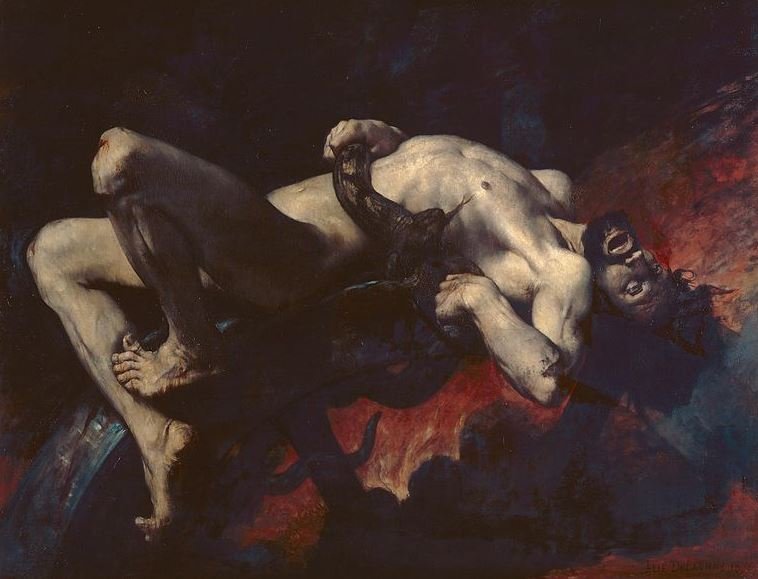
Image: Ixion
How did Centaurus contribute to Greek mythology beyond being the progenitor of the centaurs?
Centaurus is credited with being the first to group stars into constellations and teaching others to read them, aiding in navigation. One interpretation suggests he placed an image of himself in the stars to guide the Argonauts.
Who was Chiron, and how was he different from other centaurs?
Chiron, the wise king of the centaurs, mentored heroes like Heracles. During a conflict sparked by sacred wine, Chiron was accidentally wounded by Heracles’ poison-tipped arrow. Immortal and in pain, he begged Zeus for release. Zeus allowed Chiron to die and honored him by placing him among the stars, symbolizing his wisdom, nobility, and lasting contributions to Greek mythology.