Wisdom Literature in Ancient Near East
Wisdom literature stands as a cornerstone in the literary traditions of the Ancient Near East, offering profound insights into the ethical, social, and spiritual dimensions of early civilizations. This genre, characterized by its didactic nature, encompasses a wide range of texts that provide guidance on proper conduct, moral virtues, and the human condition. Originating in some of the world’s earliest societies, wisdom literature not only reflects the values and beliefs of its time but also laid the groundwork for subsequent literary and philosophical developments across various cultures.
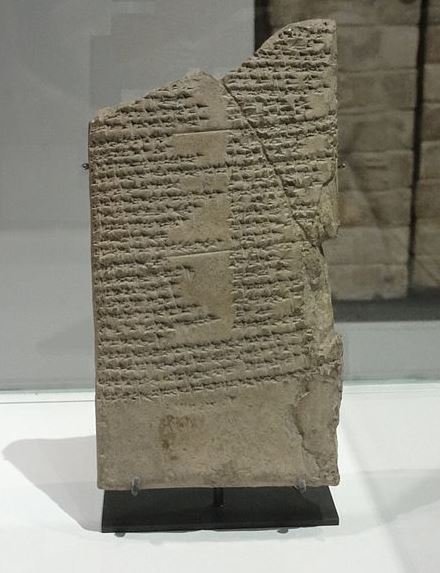
Wisdom literature, common in the ancient Near East, consists of teachings by sages on divinity and virtue. Originally transmitted orally, it was later written down. Image: Tablet of the “Dialogue between a Man and His God”, located at the Louvre in France.
Origins of Wisdom Literature
Wisdom literature emerged in the Ancient Near East as societies transitioned from nomadic lifestyles to more complex, urbanized communities. This period saw the rise of cities like Sumer and Babylon in Mesopotamia and significant developments in Egypt. The increasing complexity of social structures, governance, and religious practices necessitated the codification of ethical norms and practical advice, giving birth to wisdom texts that addressed both individual behavior and communal responsibilities.
Early Mesopotamian Contributions
The earliest known wisdom literature originates from Sumer, with documents dating back to the third millennium BCE. These texts were later followed by Babylonian contributions in the second millennium BCE. Excavations in ancient cities like Nippur have unearthed numerous wisdom texts that date as far back as the 18th century BCE, showcasing the longevity and enduring influence of this literary genre.

Sumerian Wisdom Literature
Sumerian wisdom literature is among the most ancient and influential in the world. These texts were primarily composed in the form of proverbs, dialogues, and hymns, serving both educational and religious purposes.
Instructions of Shuruppak
The “Instructions of Shuruppak” is arguably the oldest known wisdom literature, dating to the mid-3rd millennium BCE. This text features Shuruppak, a father, imparting advice to his son, Ziusudra. Covering a wide array of topics from personal conduct to social interactions, the Instructions emphasize virtues such as honesty, humility, and respect. Notably, many of its precepts bear resemblance to the biblical Ten Commandments and the Book of Proverbs, indicating a continuity of moral and ethical teachings across cultures.
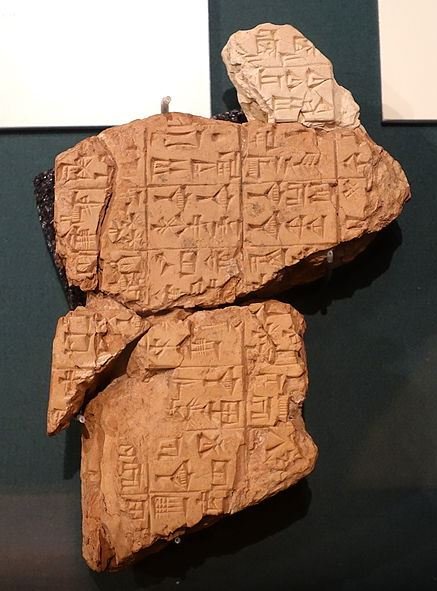
Image: Pieces of the Instructions of Shuruppak at the Oriental Institute Museum, Chicago, Illinois, USA.
The Counsels of Wisdom
“The Counsels of Wisdom” is a 150-line compilation of Sumerian and Akkadian proverbs. This text addresses various aspects of daily life, including ethical behavior, the importance of proper speech, conflict resolution, and the rewards of personal piety. By offering practical guidance, it underscores the value of virtues like propriety, honesty, and humility, helping individuals navigate the complexities of their social environments.
Instructions of Ur-Ninurta
Dating to the early 2nd millennium BCE, “The Instructions of Ur-Ninurta” comprises two main sections: “the instructions of the god” and “the instructions of the farmer.” The former contrasts the rewards of god-fearing behavior with the punishments awaiting the disobedient, thereby promoting religious and moral conduct. The latter provides agricultural advice, reflecting the agrarian nature of Mesopotamian society. The text concludes with expressions of humility and submission, reinforcing these virtues as essential for both personal and communal well-being.
Instructions of Shupe-Ameli
Also known as “Hear the Advice,” the “Instructions of Shupe-Ameli” features a father delivering conservative “Positive Wisdom” to his son. The advice includes working diligently, avoiding bad company, and resisting desires for others’ possessions. In response, the son offers “Negative Wisdom,” expressing a cynical view that life’s efforts are ultimately futile due to mortality. This interplay highlights the dual nature of wisdom literature, balancing pragmatic advice with philosophical skepticism.
Nig-Nam Nu-Kal (“Nothing is of Value”)
“Nig-Nam Nu-Kal” is a collection of short Sumerian texts that celebrate life despite acknowledging its transient nature. With the recurring refrain “Nothing is of worth, but life itself is sweet,” these texts embody a carpe diem philosophy, encouraging the enjoyment of life in the face of its inherent impermanence. This perspective offers a counterbalance to more conservative wisdom, emphasizing the value of living fully despite existential uncertainties.
Babylonian Wisdom Literature
Babylonian wisdom literature continued and expanded upon the traditions established by the Sumerians, incorporating more complex theological and philosophical themes.
Dialogues and Theodicy
Babylonian wisdom texts often engage with themes of suffering, divine justice, and the human condition, similar to the biblical Book of Job. Texts like “Dialogue between a Man and His God” and “The Poem of the Righteous Sufferer” explore the struggles of faithful individuals facing unjust hardships. These dialogues typically feature a “just sufferer” who seeks to understand the reasons behind their suffering, delving into theodicy—the justification of divine goodness despite the presence of evil and suffering.
The Babylonian Theodicy
The “Babylonian Theodicy” is another significant text that features a dialogue between a sufferer and his friend, discussing the injustices of the world. This text emphasizes the human quest for meaning and understanding in the face of adversity, reflecting universal themes that resonate across different cultures and epochs. By addressing the complexities of divine justice, the Babylonian Theodicy contributes to the broader discourse on the human condition and the nature of suffering.
The Poem of the Righteous Sufferer
“The Poem of the Righteous Sufferer” narrates the story of a man who remains faithful throughout his life despite enduring unjust suffering. The protagonist’s journey from affliction to eventual redemption underscores the resilience of faith and the hope for divine intervention. This narrative reinforces the idea that righteousness and piety ultimately lead to spiritual reward, even amidst temporal hardships.
Comparative Analysis with Biblical Texts
The wisdom literature of Sumer and Babylonia exhibits striking parallels with biblical texts, indicating cultural exchanges and shared literary motifs.
Parallels with the Book of Job
Both Mesopotamian dialogues and the Book of Job explore the theme of righteous suffering. In these narratives, protagonists grapple with understanding their suffering and the reasons behind divine justice. This shared motif highlights a universal human concern with the nature of suffering and the quest for meaning in the face of adversity.
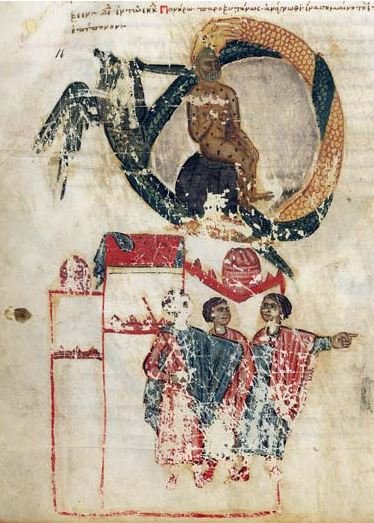
Image: An illuminated manuscript, from around 1300, portraying Job, his friends, and the leviathan, a sea serpent.
Similarities with Proverbs and the Ten Commandments
The ethical precepts found in Sumerian wisdom texts, such as the “Instructions of Shuruppak,” mirror those in the biblical Ten Commandments and the Book of Proverbs. Themes like honesty, humility, and respect for others are common across these texts, demonstrating a continuity of moral teachings that transcend cultural and temporal boundaries.
Aramaic and Later Influences
Wisdom literature continued to evolve and influence other cultures beyond Mesopotamia, as seen in Aramaic texts and beyond.
Words of Ahikar
The 5th-century BCE Aramaic story “Words of Ahikar” is a notable example of later wisdom literature. This text is replete with sayings and proverbs that echo Babylonian and Persian aphorisms. Portions of “Words of Ahikar” resemble the Book of Proverbs and the deuterocanonical “Wisdom of Sirach,” illustrating the interconnectedness of wisdom traditions across different languages and cultures. This story underscores the enduring legacy of Mesopotamian wisdom literature in shaping later literary and ethical thought.
Egyptian Wisdom Literature
Ancient Egypt developed its own rich tradition of wisdom literature, known as the “sebayt” or “teaching” genre. Flourishing during the Middle and New Kingdoms, Egyptian wisdom texts served similar didactic purposes as their Mesopotamian counterparts.
Sebayt Genre
The “sebayt” genre encompassed a variety of instructional texts aimed at imparting moral and ethical guidance. These works were considered canonical during the New Kingdom and included both proverbs and instructional discourses. The focus was on proper conduct, social harmony, and the cultivation of personal virtues, aligning closely with the themes found in Sumerian wisdom literature.
Instructions of Kagemni and The Maxims of Ptahhotep
Notable Egyptian wisdom texts include the “Instructions of Kagemni” and “The Maxims of Ptahhotep.” These works offer practical advice on governance, social relations, and personal behavior. Like their Mesopotamian counterparts, these texts emphasize virtues such as honesty, humility, and respect for authority, reinforcing the moral fabric of Egyptian society.
Hymns and Dialogues
Egyptian wisdom literature also included hymns and dialogues that explored religious and philosophical themes. For instance, “A Prayer to Re-Har-akhti” features a confession of sins and an appeal for mercy, reflecting the Egyptian concern with moral purity and divine favor. Dialogues like “The Debate Between a Man and his Soul” examine the relationship between the individual and the divine, delving into questions of existence and the afterlife.
Hermetic Tradition
The Hermetic tradition represents a syncretic blend of Egyptian and Greek wisdom, emerging during the Hellenistic period in Egypt. This tradition continued to evolve and influence later religious and philosophical thought.
Corpus Hermeticum
The “Corpus Hermeticum” is a collection of texts that form the core of Hermetic wisdom literature. Written in the form of dialogues between Hermes Trismegistus and his disciples, these texts explore themes such as divine oneness, the purification of the soul, and the pursuit of enlightenment. Although most of the texts date to the 1st–4th centuries CE, their content reflects older Egyptian wisdom traditions, suggesting deeper historical roots.
Islamic Hermeticism
Hermetic wisdom literature was incorporated into Islamic tradition, particularly during the Abbasid Caliphate. The writings were regarded as sacred inheritance from the prophets, with Hermes Trismegistus identified with the prophet Idris. The Ikhwan al-Safa and the Sabians of Harran, for example, viewed Hermes as an ancestral figure who brought divine knowledge to humanity. This integration highlights the enduring influence of Hermetic thought on Islamic mystical and philosophical traditions.
Comparative Perspectives with Other Cultures
Wisdom literature is a global phenomenon, with various cultures developing their own rich traditions that parallel those of the Ancient Near East.
Greek Works and Days
Hesiod’s “Works and Days,” dating to around the 8th century BCE, is a seminal Greek wisdom text. It combines practical advice on agriculture and seafaring with moral exhortations, emphasizing hard work, justice, and piety. Like Mesopotamian wisdom literature, it seeks to guide individuals in leading a virtuous and productive life.
Old Norse Hávamál
The Old Norse “Hávamál” (“The Words of the High One”) is a collection of proverbs and ethical sayings attributed to the god Odin. It covers various aspects of life, including hospitality, friendship, and personal conduct, reflecting a similar didactic purpose to that of Sumerian and Babylonian texts. “Hávamál” serves as a guide for living wisely and ethically within the Norse cultural context.
Sanskrit Subhashita
In India, the “Subhashita” genre represents a significant tradition of Sanskrit wisdom poetry. Comprising thousands of verses, these texts cover a wide range of ethical and philosophical topics, including righteousness, governance, and personal virtues. Compiled in anthologies known as “Subhashitani,” these verses were authored by various poets throughout ancient and medieval periods, highlighting the enduring nature of wisdom literature in Indian culture.
Chinese Analects of Confucius
The “Analects” of Confucius are a cornerstone of Chinese wisdom literature. This collection of sayings and ideas attributed to the philosopher Confucius and his disciples emphasizes moral integrity, proper conduct, and social harmony. Similar to Mesopotamian wisdom texts, the “Analects” aim to cultivate virtuous individuals who contribute positively to society.
Influence on Later Cultures and Traditions
The wisdom literature of the Ancient Near East had a profound and lasting impact on subsequent literary and philosophical traditions across the globe.
Biblical Wisdom Books
The biblical wisdom books, including Proverbs, Job, and Ecclesiastes, show clear influences from Mesopotamian wisdom literature. The structural similarities, thematic overlaps, and shared ethical precepts indicate a direct line of transmission and adaptation. These biblical texts inherited the tradition of offering moral guidance and exploring deep philosophical questions about human existence and divine justice.
Hermetic Writings
The Hermetic tradition, particularly through the “Corpus Hermeticum,” absorbed and transformed earlier Mesopotamian and Egyptian wisdom. By blending these traditions with Greek philosophy, Hermeticism created a unique synthesis that influenced later esoteric and mystical thought within both Western and Islamic contexts.
Global Wisdom Traditions
Beyond the Near East and Mediterranean, the principles of wisdom literature permeated various cultures. The emphasis on ethical conduct, practical advice, and philosophical inquiry found in Sumerian and Babylonian texts can be seen in the wisdom traditions of Greece, India, China, and the Norse world. These global traditions share a common goal of guiding individuals toward virtuous and meaningful lives, demonstrating the universal appeal and relevance of wisdom literature.
Frequently Asked Questions

What is wisdom literature, and where did it originate?
Wisdom literature is a genre that offers teachings on ethics, social conduct, and spirituality. It originated in the ancient Near East, with the earliest examples from Sumer in the third millennium BCE and Babylonia in the second millennium BCE.
What are the primary forms of Sumerian and Babylonian wisdom texts?
Sumerian and Babylonian wisdom texts are primarily composed of dialogues or hymns. Notable examples include the “Hymn to Enlil” and “The All-Beneficent,” which reflect the religious and philosophical thoughts of the time.
What is the significance of the “Instructions of Shuruppak”?
The “Instructions of Shuruppak” is the oldest known wisdom literature (mid-3rd millennium BCE). It presents advice from a father, Shuruppak, to his son, Ziusudra, covering personal conduct and social relations. Many of its precepts mirror those in the biblical Ten Commandments and the Book of Proverbs, highlighting a continuity of moral teachings.
How do Sumerian proverbs relate to biblical stories?
Sumerian proverbs, such as the “Debate Between Winter and Summer,” parallel biblical narratives like the story of Cain and Abel (Genesis 4:1–16) and the dialogues in the Book of Job. These parallels illustrate a shared cultural motif of exploring human suffering and divine justice.
What are the main types of wisdom literature mentioned in the text?
The main types are:
- Conservative Positive Wisdom: Offers practical life advice on proper behavior, achieving success, and living a fulfilling life (e.g., Proverbs, Instructions of Shuruppak).
- Critical Negative Wisdom (Vanity Literature): Presents a pessimistic view on life, emphasizing mortality and advocating for enjoying life despite its impermanence (e.g., Ecclesiastes, Nig-Nam Nu-Kal).
What is “The Counsels of Wisdom”?
“The Counsels of Wisdom” is a 150-line compilation of Sumerian and Akkadian proverbs. It covers various topics, including ethical conduct, propriety in speech, conflict avoidance, and the rewards of personal piety, providing practical guidance for daily life.
What themes are explored in ancient Mesopotamian dialogues similar to the Book of Job?
These dialogues explore themes of suffering, divine justice, and the human condition. They often feature a “just sufferer” who seeks to understand their suffering and the nature of divine justice, addressing theodicy—the justification of divine goodness despite the existence of evil and suffering.
How did Sumerian and Babylonian wisdom literature influence later cultures?
They significantly influenced subsequent cultures and literary traditions, including the biblical wisdom books like Proverbs and Job. Additionally, the Hermetic tradition in Hellenistic Egypt drew upon Mesopotamian and Egyptian wisdom, blending it with Greek philosophy to create works like the “Corpus Hermeticum.”
How does Egyptian “sebayt” compare to Sumerian wisdom literature?
Egyptian “sebayt” (teaching) literature, which flourished during the Middle and New Kingdoms, shares the didactic purpose of imparting moral and ethical guidance. Texts like the “Instructions of Kagemni” and “The Maxims of Ptahhotep” echo the Sumerian focus on proper conduct and social harmony.
What are some other global traditions comparable to Sumerian and Babylonian wisdom literature?
Other comparable traditions include:
- Greek: “Works and Days” by Hesiod.
- Old Norse: “Hávamál.”
- Sanskrit: “Subhashita.”
- Chinese: Analects of Confucius.
These traditions use proverbs and practical advice to transmit wisdom across generations, similar to Mesopotamian wisdom literature.