Zipoetes I of Bithynia
Zipoetes I, also spelled Zipoites or Ziboetes, possibly Tiboetes (Greek: Zιπoίτης or Zιβoίτης), was a significant historical figure who ruled Bithynia from around 326 BC to 278 BC. His reign of nearly half a century marked a transformative period in the region’s history, as he consolidated power, expanded his kingdom, and adopted royal authority. Below, World History Edu provides a detailed account of his life, military campaigns, and legacy.
Early Life and Accession to the Throne
Zipoetes I was born around 354 BC into the royal family of Bithynia. He was the son of Bas, who had established the foundations of Bithynian independence amid the fragmentation of Alexander the Great’s empire. Zipoetes succeeded his father in approximately 326 BC. At this time, Bithynia faced external threats and internal challenges, necessitating strong leadership to maintain its sovereignty and regional influence.
Conflicts with Astacus and Chalcedon
In 315 BC, Zipoetes waged war against the neighboring cities of Astacus and Chalcedon, two prominent settlements on the southeastern shores of the Propontis (Sea of Marmara). These cities were strategically significant for their trade routes and influence. However, Zipoetes faced a setback when Antigonus I Monophthalmus, one of Alexander’s successors, intervened by sending a relief army to aid Astacus and Chalcedon. This intervention forced Zipoetes to abandon his campaign temporarily.
Renewed Offensive and the Fall of Astacus
After the death of Antigonus in the Battle of Ipsus in 301 BC, Zipoetes seized the opportunity to renew his offensive against Astacus. This time, he emerged victorious. However, the conflict led to the destruction of Astacus, marking a turning point in Bithynia’s territorial expansion. The fall of Astacus demonstrated Zipoetes’ resilience and his ability to exploit regional power vacuums effectively.
Foundation of Zipoetium
Following his military successes, Zipoetes established a new city named Zipoetium at the foot of Mount Lypedron. This settlement, named after himself, symbolized his ambition to consolidate and commemorate his reign. Despite its historical significance, the exact location of both Zipoetium and Mount Lypedron remains unknown. The city likely served as a cultural and administrative center during his rule, further strengthening the identity of the Bithynian kingdom.
Assumption of the Title Basileus
One of Zipoetes’ most notable achievements was his formal adoption of the title basileus (king) in 297 BC. By assuming this title, he elevated Bithynia from a regional power to a recognized kingdom, asserting its independence and legitimacy amid the broader Hellenistic world. This declaration also marked the beginning of the Bithynian calendar, which would remain in use in some regions until the 5th century AD.
The adoption of the royal title was a strategic move, as it positioned Zipoetes on par with the Hellenistic kings who ruled the fragmented territories of Alexander’s empire. This act also demonstrated his confidence in Bithynia’s political and military strength during his reign.
Conflicts with Lysimachus and Antiochus
Throughout his rule, Zipoetes engaged in successful military campaigns against prominent Hellenistic rulers, including Lysimachus, a former general of Alexander, and Antiochus, the son of Seleucus I Nicator. These conflicts reflected Zipoetes’ determination to protect Bithynia’s sovereignty against external threats. His ability to resist these powerful adversaries solidified his reputation as a formidable leader.

Bust of Seleucus I Nicator
Legacy and Succession
Zipoetes I ruled Bithynia for an impressive forty-eight years, living to the age of approximately seventy-six. His reign was characterized by significant territorial consolidation, military achievements, and cultural advancements. He left behind four children, the eldest of whom, Nicomedes I, succeeded him.
Nicomedes I would go on to further strengthen the kingdom and establish its prominence in the region. Zipoetes’ decision to adopt the title of basileus and implement the Bithynian calendar laid the groundwork for his successors to build a stable and enduring kingdom.
Significance in Hellenistic History
Zipoetes I’s reign stands out in Hellenistic history for several reasons:
- Longevity and Stability: His forty-eight-year rule provided Bithynia with the stability needed to thrive amid the turbulence of the Hellenistic era.
- Adoption of Kingship: By declaring himself king, Zipoetes not only asserted Bithynian independence but also aligned the kingdom with the broader Hellenistic political framework.
- Military Successes: His victories against Lysimachus and Antiochus demonstrated his strategic acumen and ensured Bithynia’s security and expansion.
- Cultural Contributions: The establishment of Zipoetium highlighted his commitment to urban development and regional identity.
Frequently Asked Questions
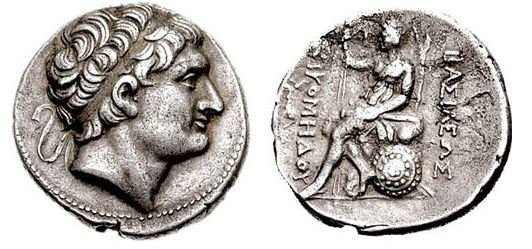
Silver coin of Nicomedes I
Who did Zipoetes I succeed as ruler of Bithynia?
He succeeded his father, Bas, to the throne around 326 BC.
What significant wars did Zipoetes I engage in?
He waged successful wars against Lysimachus and Antiochus, the son of Seleucus I Nicator, and fought against Astacus and Chalcedon.
What happened during Zipoetes I’s war with Astacus and Chalcedon?
In 315 BC, his initial attack failed due to intervention by Antigonus I Monophthalmus, but in 301 BC, after Antigonus’ death, Zipoetes successfully attacked, though Astacus was destroyed.
What city did Zipoetes I found, and where was it located?
He founded the city of Zipoetium near Mount Lypedron, though the exact locations of both remain unknown.
When did Zipoetes I assume the title of basileus (king)?
He assumed the title of basileus in 297 BC, becoming the first Bithynian ruler to do so.
What legacy did Zipoetes I leave for Bithynia?
His assumption of the title basileus marked the start of the Bithynian calendar, used until the 5th century AD in some places.
Who succeeded Zipoetes I as ruler?
His eldest son, Nicomedes, succeeded him after his death at around 76 years old.





