9 World War I Myths
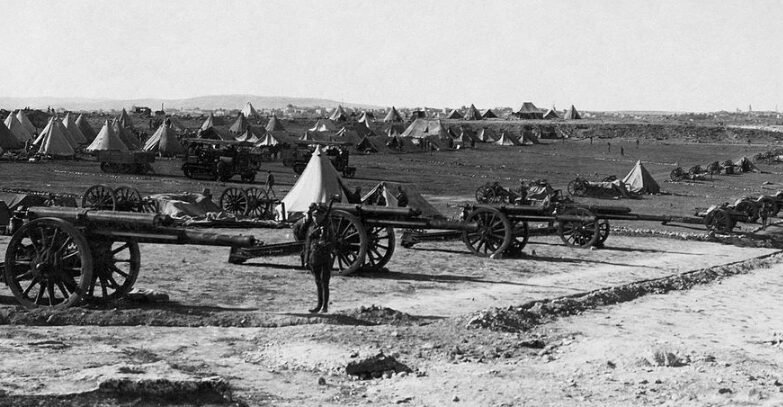
World War I was a complex and multifaceted conflict, and the myths that have grown around it often simplify or distort our understanding of the war. Image: British artillery battery on Mount Scopus in the Battle of Jerusalem, 1917.
World War I, often referred to as “The Great War” or “The War to End All Wars,” was a pivotal event in world history. Its impacts were far-reaching, reshaping geopolitics, societies, and economies across the globe.
However, despite the extensive historical analysis and research, many myths about World War I continue to persist in popular culture and public consciousness. These myths often distort our understanding of the war, its causes, and its consequences.
Below, World History Edu delves into some of the major myths surrounding World War I, examining their origins and the facts that dispel these often-repeated misconceptions.
Myth 1: The War Was Inevitable
Origin of the Myth: This belief stems from the complex network of alliances and treaties that bound countries together, coupled with the arms race and imperialistic ambitions of the major powers.
Reality: While tensions were high, the war was not unavoidable. Diplomatic efforts could have potentially prevented the escalation. Many historians argue that there were several moments when the leaders could have halted the progression toward war but chose to proceed, often under misjudgments about the intent and capabilities of other nations.
Myth 2: The War Would Be Short and Glorious
Origin of the Myth: Nationalistic fervor and the belief in quick, decisive battles led many to think the war would be over by Christmas 1914. This was bolstered by initial rapid movements of German troops in the West and Russian troops in the East.
Reality: The war extended over four long years, characterized by brutal trench warfare, immense human suffering, and staggering losses. The expectation of a swift and noble conflict faded as the war became a war of attrition, reflecting the lethal efficiency of modern industrialized warfare.
Myth 3: All Soldiers Were Eager to Fight
Origin of the Myth: Early war propaganda depicted soldiers as uniformly enthusiastic, eager to defend their homeland. This image was supported by the initial rush to volunteer in 1914.
Reality: While many were initially enthusiastic, this eagerness often waned as the reality of the war’s brutality became apparent. Conscription and the threat of legal penalties also played significant roles in swelling the ranks of the armies, contrary to the image of universal voluntary service.
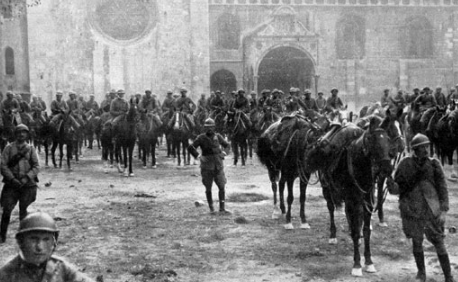
Image: Italian soldiers reach Trento during the Battle of Vittorio Veneto, 1918
Myth 4: The Christmas Truce of 1914 Suggested Widespread Fraternization
Origin of the Myth: The Christmas Truce is one of the most heartwarming anecdotes from WWI, where soldiers from opposing sides reportedly played soccer and exchanged gifts.
Reality: While the Christmas Truce did happen, it was not as widespread as often depicted, and fraternization was generally frowned upon and even punished by officers. Such instances were exceptions and not indicative of regular occurrences along the front.

Image: British and German soldiers exchange friendly conversations and swap headgear during the Christmas truce, depicted in an artist’s impression from The Illustrated London News (9 January 1915).
Myth 5: The Treaty of Versailles Was Fair and Prevented Future Conflicts
Origin of the Myth: The Treaty of Versailles was intended to prevent Germany from starting another war and to make it pay for the destruction caused during WWI.
Reality: The treaty imposed harsh penalties on Germany, including significant territorial losses, military restrictions, and heavy reparations. Many historians argue that these terms were too severe, fostering resentment and economic hardship in Germany, which later contributed to the rise of Adolf Hitler and WWII.
How did the Germans react to the terms of the Versailles Treaty?
Myth 6: Trench Warfare Was the Only Form of Combat
Origin of the Myth: The enduring images of WWI are of soldiers in trenches, which leads many to believe that trench warfare was ubiquitous.
Reality: While trench warfare was a defining characteristic of the Western Front, other fronts saw different forms of combat. For example, the Eastern Front featured more mobility due to its larger area and lower density of troops. Moreover, naval battles and colonial engagements also formed significant parts of the war’s broader strategic picture.
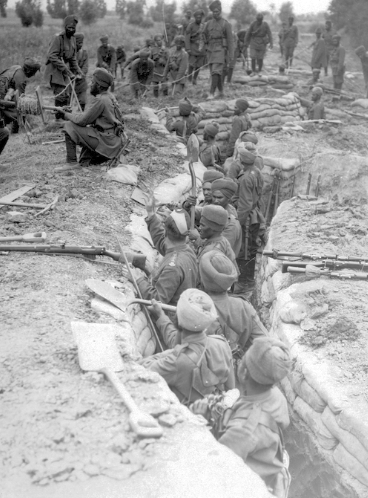
Image: British Indian soldiers digging trenches in Laventie, France, 1915
Myth 7: The War Was Fought Only in Europe
Origin of the Myth: European battlefields like the Somme, Verdun, and Passchendaele are most commonly associated with WWI.
Reality: WWI was a global conflict that involved battles in Africa, Asia, and the Pacific. The war’s implications and engagements also influenced the Middle East, contributing to the reshaping of borders and the creation of new nations post-war.
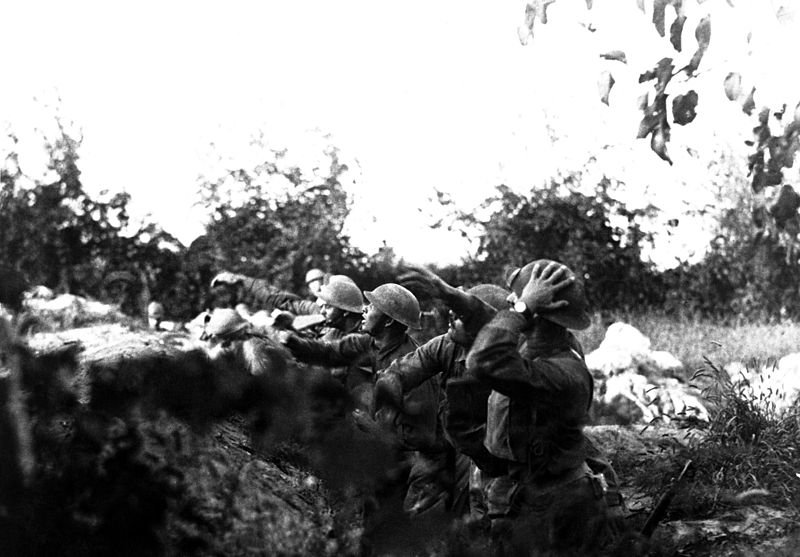
The first U.S. infantry troops arrived on the European continent in June 1917; in October, the first American soldiers entered combat in France.. Image: American soldiers on the Piave front throwing hand grenades into the Austrian trenches
Myth 8: Propaganda Had Little Effect on the Home Front
Origin of the Myth: It’s often believed that the populations of warring nations were largely unaffected by wartime propaganda.
Reality: Propaganda was a powerful tool used by all major combatants to boost morale, demonize the enemy, and maintain public support for the war effort. It significantly influenced public opinion and behavior, contributing to a societal climate where dissent was often suppressed and nationalism intensified.
Myth 9: Soldiers Were Always Well-Supported
Origin of the Myth: Patriotic propaganda often depicted soldiers as well-supported and heroic, surrounded by a grateful and generous nation.
Reality: While there were significant efforts to support troops, many soldiers faced inadequate supplies, poor living conditions, and insufficient medical care, particularly as the war dragged on and resources became strained. The psychological impact of the war, later recognized as shell shock or PTSD, was also poorly understood and treated.
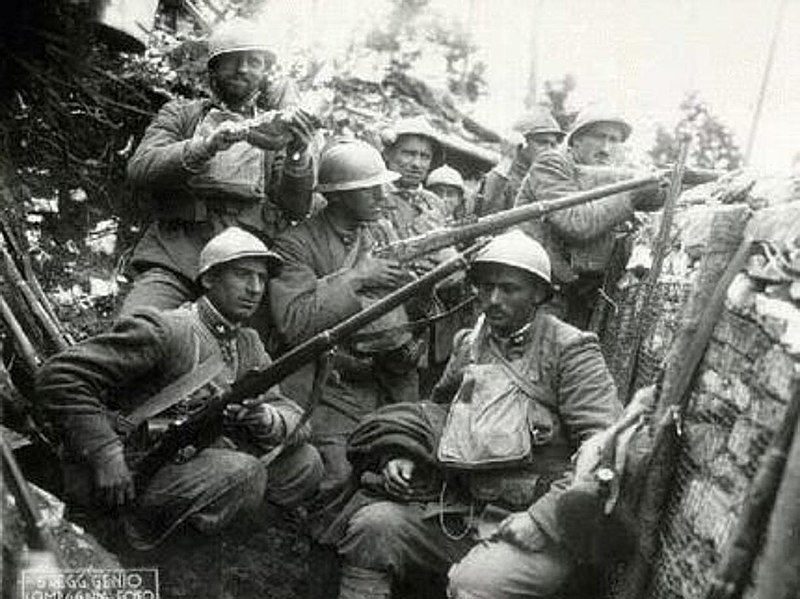
Italian soldiers in trench, 1918
Myth 10: The War Improved Social Mobility
Origin of the Myth: The war is sometimes seen as a great social equalizer, where men from different backgrounds fought side by side, and post-war societies became more egalitarian.
Reality: While the war did lead to some social changes, such as accelerated suffrage movements and labor reforms, it often reinforced existing class structures. Veterans frequently returned to find their social and economic positions largely unchanged, and in many cases, worsened by the economic turmoil of the post-war period.
Exploring these myths helps us understand not just the history of World War I but also the complexities of how history is remembered and taught. Misconceptions can arise from propaganda, the need for nationalistic narratives, or simply from the passage of time distorting collective memory. By examining these myths critically, we gain a more nuanced view of this pivotal period in world history.





