Cappadocia
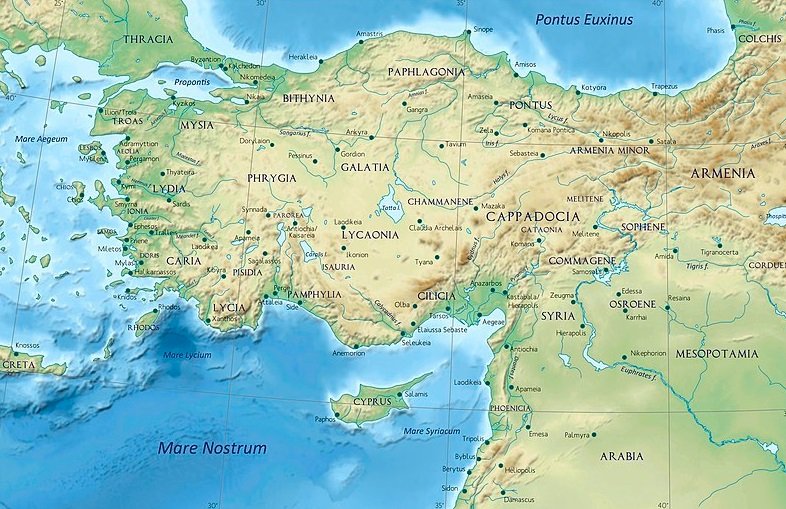
Cappadocia is a historically and culturally rich region in Central Anatolia, Turkey, spanning across modern provinces such as Nevşehir, Kayseri, Aksaray, Kırşehir, Sivas, and Niğde. Its unique landscape, carved by volcanic activity and erosion, is renowned for fairy chimneys, underground cities, and early Christian heritage. Throughout history, Cappadocia has been a center for various civilizations, from the Hittites to the Byzantines, and remains a prominent tourist destination today.
Etymology and Early References
The name Cappadocia is first recorded in Old Persian inscriptions by Darius the Great and Xerxes I, where it appears as “Katpatuka.” Scholars propose different etymologies, with some suggesting a Luwian origin meaning “Low Country” and others linking it to Hittite roots as “place below.” Herodotus noted that the Persians called the region Cappadocia, whereas the Greeks referred to its inhabitants as “Leucosyri” or “White Syrians,” likely associating them with the Hittites. Cappadocia also appears in biblical references, such as the Book of Acts, as well as in Jewish texts like the Talmud and Mishnah.
Cappadocia’s rich history, geological wonders, and cultural significance make it one of the most fascinating regions in the world.
Geography and Climate
Cappadocia’s landscape is defined by its high plateau, which stands over 9,800 meters above sea level, and volcanic peaks, including Mount Erciyes at 3,916 meters.
The Taurus Mountains separate it from Cilicia to the south, while it borders Pontus to the north and Galatia to the west. The region experiences a continental climate with hot, dry summers and cold, snowy winters.
Major rivers such as the Halys and Euphrates flow through Cappadocia, though they have played a minimal role in its historical development.
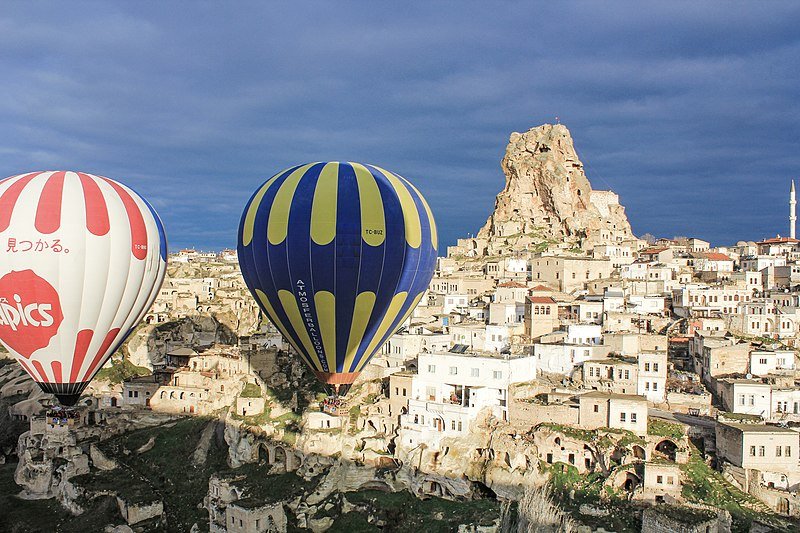
Central Anatolia Region, Turkey
Geology and Natural Wonders
The geological history of Cappadocia is marked by ignimbrite deposits from ancient volcanic eruptions. These formations, combined with erosion, created the iconic fairy chimneys. The region has been recognized by the International Union of Geological Sciences as a significant geological heritage site due to its unique volcanic formations and erosion patterns.
Ancient History and Persian Rule
During the late Bronze Age, Cappadocia was known as Hatti, the homeland of the Hittite Empire, with its capital at Hattusa. Following the decline of the Hittites, the region fell under Persian control and was incorporated into the third Persian satrapy. Cappadocia retained a feudal aristocracy, with local rulers serving under Persian governance. Persian cultural and religious influences persisted, including the practice of Zoroastrianism.
The Kingdom of Cappadocia
After the conquest of Persia by Alexander the Great, Ariarathes I declared himself king of Cappadocia. The kingdom expanded under his successors but eventually became entangled in conflicts with the Seleucids and Pontus. Despite these struggles, the Cappadocians aligned themselves with Rome, first opposing and later supporting Roman authority. The kingdom remained independent until 17 AD when Emperor Tiberius annexed it as a Roman province.
Did Alexander the Great set fire to the Persian city of Persepolis?
Roman and Early Christian Era
Under Roman rule, Cappadocia became a strategically significant province. Vespasian integrated it with Armenia Minor, strengthening the empire’s eastern frontier. The region was largely agrarian, with large estates owned by Roman elites. Christianity took root in Cappadocia by the 3rd century, leading to the emergence of the Cappadocian Fathers, including Basil the Great and Gregory of Nyssa, who played key roles in shaping early Christian theology.
Byzantine Cappadocia and Arab Raids
During the Byzantine era, Cappadocia became a borderland between the Byzantine and Islamic worlds. Arab raids from the 7th century onward devastated the region, leading to the construction of underground cities for protection. Despite conflicts, Cappadocia remained a center for Christian monasticism, with rock-cut churches and monasteries flourishing. The region was administratively divided into the themes of Charsianon and Cappadocia, playing a crucial role in Byzantine defense.
Turkish Rule and Ottoman Era
Following the Battle of Manzikert in 1071, Cappadocia gradually came under Seljuk Turkish control. Over time, the Turkish influence deepened, leading to cultural and linguistic shifts. By the early 12th century, the Seljuks firmly established their rule, followed by the Karamanid Beylik and later the Ottoman Empire. Nevşehir became the regional capital in the 18th century under Grand Vizier Damat Ibrahim Pasha. During the early 20th century, Cappadocia’s Greek-speaking Christian population was displaced due to the Greco-Turkish population exchange, leading to the decline of Cappadocian Greek culture.
Modern Cappadocia and Tourism
Today, Cappadocia is a major tourist destination, attracting visitors for its rock formations, cave hotels, and historical sites. Hot-air ballooning has become an iconic activity, offering panoramic views of the surreal landscape. Major tourist sites include:
- Göreme Open Air Museum – A monastic complex with rock-carved churches and frescoes.
- Uçhisar Castle – A natural rock fortress offering panoramic views.
- Derinkuyu and Kaymaklı Underground Cities – Multi-level subterranean cities used for refuge during invasions.
- Ihlara Valley – A scenic canyon with rock-hewn churches and hiking trails.
Cultural and Archaeological Significance
Cappadocia is home to numerous archaeological sites, including Hittite settlements, Roman ruins, and Byzantine monasteries. The region has also been featured in films, such as “Ghost Rider: Spirit of Vengeance,” and is a popular subject in media and travel documentaries.
Health Concerns: Mesothelioma
In the 1970s, researchers discovered a high incidence of mesothelioma in three Cappadocian villages, attributed to exposure to erionite, a naturally occurring mineral fiber. Further studies revealed a genetic predisposition among affected families, contributing to ongoing medical research in the area.
Sports and Outdoor Activities
Cappadocia hosts several sporting events, including the Runfire Cappadocia Ultramarathon and cycling races. The rugged terrain makes it ideal for hiking, horseback riding, and trekking.
Frequently Asked Questions
What are the fairy chimneys of Cappadocia?
Fairy chimneys are tall, cone-shaped rock formations formed by volcanic activity and erosion, mainly found in Göreme and Uçhisar.
How did Cappadocia get its name?
The name originates from Old Persian Katpatuka, possibly meaning “Low Country” or “Land of Good Horses.”
What ancient civilizations lived in Cappadocia?
Cappadocia was inhabited by Hittites, Persians, Greeks, Romans, Byzantines, and later Seljuk Turks and Ottomans.
Why is Cappadocia significant in early Christianity?
Cappadocia was a major Christian center, home to the Cappadocian Fathers, rock-cut churches, and monasteries that provided refuge during persecution.
What are the underground cities of Cappadocia?
Derinkuyu and Kaymaklı are extensive underground cities used by early Christians to hide from invaders, featuring tunnels, ventilation shafts, and living quarters.
What role did Cappadocia play in the Persian Empire?
Cappadocia was part of the Achaemenid Empire, divided into two satrapies, and continued Persian traditions even after Alexander the Great’s conquest.
What was the Kingdom of Cappadocia?
It was an independent Hellenistic kingdom from the 4th century BC until it became a Roman province in AD 17 under Emperor Tiberius.
How did Cappadocia change under Byzantine rule?
It became a frontier region against Arab invasions, leading to the construction of fortified monasteries and underground refuges.
What is the significance of Mount Erciyes in Cappadocia?
Mount Erciyes is the highest peak in Cappadocia (3,916m) and contributed to the region’s volcanic landscape.
Why is hot-air ballooning popular in Cappadocia?
The region’s stunning landscapes, fairy chimneys, and rock valleys make it one of the best places in the world for balloon flights.
How did Cappadocia become a major tourist attraction?
Its unique geology, historical sites, UNESCO-listed Göreme Open Air Museum, and cultural heritage attract visitors from around the world.





