Darius the Great
Darius I (c. 550–486 BCE), also known as Darius the Great, was one of the most influential rulers of the Achaemenid Empire. His reign, from 522 to 486 BCE, marked the height of Persian imperial power. Renowned for his administrative reforms, ambitious construction projects, and military campaigns, Darius expanded and consolidated the empire, leaving an enduring legacy.

Darius I, known as Darius the Great (c. 550–486 BCE), was the third ruler of the Achaemenid Empire, reigning from 522 BCE until his death.
Early Life and Rise to Power
Darius was born to Hystaspes, a satrap of Bactria, and possibly Irdabama, a wealthy landowner. He hailed from the Achaemenid family, though his direct lineage to Cyrus the Great is debated. Before becoming king, Darius served in the army under Cambyses II, participating in campaigns such as the conquest of Egypt.
The death of Cambyses II in 522 BCE created a power vacuum. According to the Behistun Inscription, an imposter named Gaumata claimed the throne by pretending to be Bardiya, Cambyses’s brother. Darius, along with six noble conspirators, overthrew and killed Gaumata, securing the throne.
To justify his accession, Darius emphasized his divine right to rule, claiming the favor of Ahura Mazda, the Zoroastrian supreme deity. He also traced his ancestry to Achaemenes, the dynasty’s founder, reinforcing his claim as a legitimate ruler.

READ MORE: Major Accomplishments of Cyrus the Great, founder of the Persian Achaemenid Empire
Reign and Administrative Reforms of Darius the Great
Darius introduced significant administrative reforms to govern the vast Achaemenid Empire. He divided the empire into 20 provinces, or satrapies, each governed by a satrap. To prevent the accumulation of power, Darius appointed treasurers and secretaries to oversee provincial administration and deployed royal inspectors, known as the “eyes and ears of the king,” to ensure accountability.
Darius standardized currency by introducing the gold daric, facilitating trade and economic integration across the empire. He also implemented a tax system based on land and productivity, generating consistent revenue for the state. Infrastructure projects like the Royal Road improved communication and trade, connecting distant parts of the empire.
Darius is also known for his construction projects and the Behistun Inscription, a critical artifact of Old Persian history.
Darius was a devout Zoroastrian, promoting the worship of Ahura Mazda while respecting the religions of his diverse subjects. He funded temple restorations in Egypt and Babylon and supported religious practices in conquered territories. His trilingual inscriptions, such as the Behistun Inscription, celebrated his achievements and provided linguistic insights into Old Persian, Elamite, and Babylonian cultures.
Military Exploits
After securing the throne, Darius faced revolts in multiple regions, including Elam, Babylon, and Bactria. He quelled these uprisings within a year, showcasing his military prowess and establishing control over the empire.
Darius extended the empire’s eastern borders into the Indus Valley, incorporating regions of modern-day Pakistan. This expansion not only increased the empire’s wealth but also enhanced trade routes connecting Persia to the Indian subcontinent.
In 513 BCE, Darius launched an ambitious campaign against the Scythians in Eastern Europe. Although he failed to deliver a decisive blow to the nomadic tribes, he secured the loyalty of peripheral regions and built a series of forts, demonstrating Persian dominance in the Balkans.
Conflict with Greece
The Ionian Revolt (499–493 BCE) was a significant challenge to Persian authority. Greek city-states in Ionia rebelled against Persian-appointed tyrants, receiving support from Athens and Eretria. Although the revolt was ultimately crushed, it exposed weaknesses in Persian control and provoked Darius to seek retribution.
Darius the Great’s military campaigns included the failed invasion of Greece, culminating in the Battle of Marathon.
In 490 BCE, Darius launched the first Persian invasion of Greece, targeting Athens and Eretria. After capturing Eretria, Persian forces landed at Marathon, where they faced a smaller Athenian army. Despite their numerical superiority, the Persians suffered a decisive defeat at the Battle of Marathon, marking the end of the first invasion.
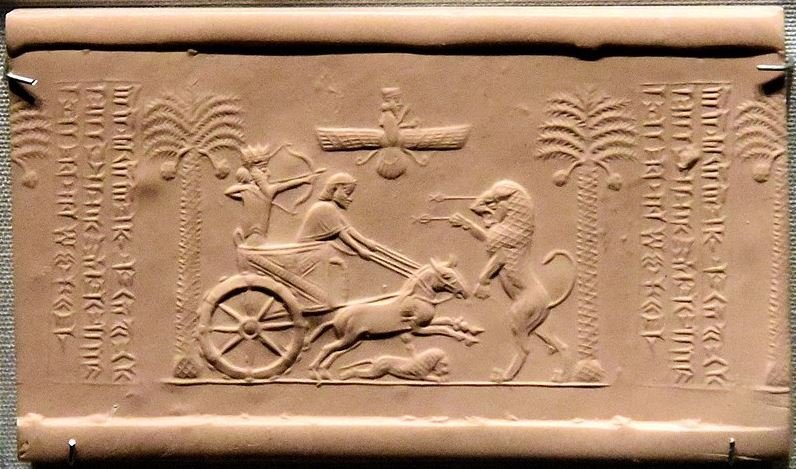
Image: Darius the Great’s cylinder seal.
Construction Projects
Darius undertook extensive construction projects to solidify his legacy. He established Persepolis as the ceremonial capital of the empire and built palaces and administrative centers in Susa. These projects showcased Persian architectural innovation and emphasized the empire’s grandeur.
Carved into a cliff face, the Behistun Inscription detailed Darius’s rise to power, conquests, and divine legitimacy. It remains a vital source for understanding the history and languages of the Achaemenid Empire.
Darius improved trade and transportation through projects like the Royal Road and a canal connecting the Nile to the Red Sea. These initiatives facilitated communication and commerce, strengthening the empire’s cohesion.
Legacy and Death
Darius’s reign marked the zenith of the Achaemenid Empire. His administrative reforms created a model of governance that influenced subsequent empires. His economic policies strengthened the empire’s financial stability, while his construction projects symbolized its power and sophistication.
Darius died in 486 BCE while preparing for a second invasion of Greece. He was buried in a rock-cut tomb at Naqsh-e Rostam, bearing inscriptions proclaiming his achievements. He was succeeded by his son Xerxes I (also known as Xerxes the Great), who continued his campaigns in Greece.
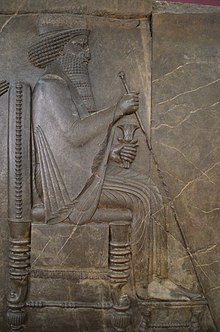
Achaemenid Empire – Rock relief of a Achaemenid king, most likely Xerxes; found in the ancient city of Persepolis; located in the National Museum of Iran, Tehran.
READ MORE: Pasargadae – The First Capital of the Achaemenid Empire
Conclusion
Darius the Great was a visionary leader whose reign transformed the Achaemenid Empire into a model of imperial governance. His military campaigns, administrative reforms, and cultural contributions not only expanded and consolidated the empire but also left a lasting legacy. Despite setbacks like the defeat at Marathon, Darius’s achievements symbolize the heights of Persian imperial power and effective leadership.
READ MORE: Rulers of the Achaemenid Empire
Frequently Asked Questions
What does the name “Darius” mean and where does it originate?
The name “Darius” originates from Old Persian Dārayavaʰuš, meaning “he who holds firm the good.” It reflects Darius’s self-image as a steward of prosperity and order.
What was Darius’s background before becoming king?
Darius was the son of Hystaspes, a satrap of Bactria, and possibly Irdabama, a wealthy landowner. Before his accession, he served as a spearman in Cambyses II’s Egyptian campaign.
How did Darius seize the throne of the Achaemenid Empire?
In 522 BCE, Darius and six noble conspirators killed Gaumata, an imposter who had claimed the throne by pretending to be Bardiya, Cambyses’s brother.
How did Darius legitimize his rule?
Darius traced his lineage to Achaemenes, the dynasty’s founder, and emphasized divine approval, declaring himself king by the grace of Ahura Mazda, the supreme deity in Zoroastrianism.
What administrative reforms did Darius implement?
He reorganized the empire into 20 satrapies, appointed satraps, secretaries, and treasurers, and introduced royal inspectors to ensure governance and prevent corruption.
How did Darius impact the empire’s economy?
Darius introduced the daric, a standardized gold coin, and implemented a tax system based on land and productivity. He also improved trade and communication through infrastructure projects like the Royal Road.
What were Darius’s major military campaigns?
Darius expanded the empire by securing the Indus Valley, incorporating parts of Pakistan, and bringing Thrace and Macedon under Persian control. He also led an expedition against the Scythians in Eastern Europe.
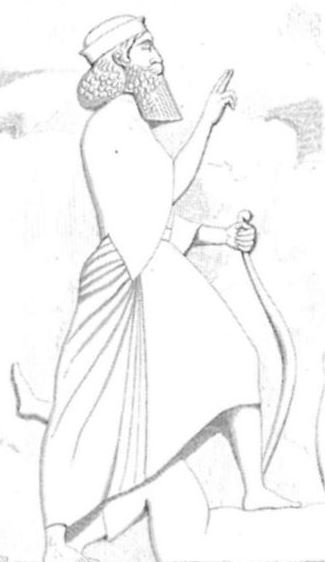
Image: A drawing of Darius the Great by French artist Eugène Flandin.
What triggered the Ionian Revolt, and how did it affect Darius’s reign?
The Ionian Revolt (499–493 BCE) was sparked by dissatisfaction with Persian-appointed tyrants. Although the revolt was crushed, it exposed vulnerabilities and provoked Darius to punish Athens and Eretria, leading to the first Persian invasion of Greece.
What were Darius’s contributions to construction and cultural projects?
Darius established Persepolis as the ceremonial capital, constructed palaces in Susa, and built a canal linking the Nile to the Red Sea. His Behistun Inscription detailed his rise to power and conquests.
What is Darius’s legacy?
Darius’s reign marked the height of Achaemenid power. His administrative, economic, and cultural innovations became models for future empires, and his leadership is remembered as a symbol of effective governance and imperial grandeur.





