Civis Romanus sum: Origin Story and Meaning of the Latin Phrase
The Latin phrase Civis Romanus sum, translated as “I am a Roman citizen,” represents the profound sense of identity and legal protection associated with Roman citizenship during the Roman Republic and Empire.
Beyond its literal meaning, the phrase encapsulates the privileges, dignity, and security afforded to Roman citizens under Roman law, both within the city of Rome and across the vast territories under Roman control. This declaration was not merely a statement of nationality; it was a powerful claim that invoked the authority of Rome to protect its citizens wherever they went.

Origins of Civis Romanus Sum
The roots of the phrase can be traced to the ideals of Roman law and governance during the Republic (509 BCE–27 BCE). The Roman state placed great emphasis on the concept of citizenship, which was central to its legal and social structure.
Citizenship granted individuals specific rights and protections, including the ability to vote, own property, and receive fair treatment under the law. More importantly, it guaranteed protection from arbitrary punishments, such as torture or execution, without a proper trial.
The phrase gained prominence in Roman rhetoric, particularly through Cicero, one of Rome’s most famous statesmen and orators. In his speech In Verrem, delivered in 70 BCE, Cicero used the idea of Civis Romanus sum to emphasize the sanctity of Roman citizenship. He criticized the corruption and abuses committed by the Roman governor Verres in Sicily, including the mistreatment of Roman citizens. Cicero argued that the rights of a Roman citizen were inviolable, and any violation of those rights was an affront to the Roman state itself.
The Meaning of Civis Romanus Sum
The phrase symbolized more than legal status; it carried immense political and social weight. To declare “I am a Roman citizen” was to invoke the protection and power of the Roman state, which prided itself on safeguarding its citizens. Roman citizenship was a privileged status, distinguishing those who held it from the vast populations of non-citizens and provincials in the empire.
Legal Protections
The protections afforded to Roman citizens were codified in Roman law. For instance, citizens were shielded from torture, crucifixion, and other forms of degrading punishment, which were often used against non-citizens. A citizen accused of a crime had the right to a trial and could appeal to higher authorities, including the Senate or even the emperor during the Imperial period.
The legal protections extended even to Roman citizens traveling abroad. Roman governors and officials were obligated to respect the rights of citizens in their jurisdictions. The declaration of Civis Romanus sum acted as a powerful safeguard, compelling local authorities to halt unlawful actions and treat the individual according to Roman legal standards.
Political and Social Implications
The phrase also reinforced the prestige of Roman citizenship. It underscored the unity and collective strength of the Roman state, projecting the idea that all citizens, regardless of their location, were under the protection of Rome. This sense of shared identity and loyalty was crucial to maintaining the stability of the Republic and later the Empire, particularly as it expanded and incorporated diverse cultures and populations.
Civis Romanus Sum in Historical Contexts
The significance of Civis Romanus sum is best illustrated through its invocation in key historical episodes, highlighting its practical and symbolic power.
Paul the Apostle’s Invocation of Roman Citizenship
One of the most famous examples of the practical use of Roman citizenship is found in the Christian New Testament, in the Book of Acts, chapter 22. Paul the Apostle, a devout Jew and an early Christian missionary, was also a Roman citizen by birth. During his ministry, Paul was arrested in Jerusalem and faced the threat of flogging, a punishment prohibited for Roman citizens without a trial.
When confronted by Roman authorities, Paul declared, “Is it lawful for you to flog a man who is a Roman citizen and uncondemned?” This statement immediately halted the proceedings. The centurion and tribune overseeing his case became alarmed, knowing they could face severe consequences for violating a citizen’s rights. Paul’s appeal to his citizenship not only protected him from mistreatment but also granted him the right to be tried before Caesar in Rome.
Paul’s case underscores the immense practical value of Roman citizenship. By invoking Civis Romanus sum, Paul leveraged the legal protections that came with his status, ensuring fair treatment and access to the empire’s highest judicial authorities.
The Don Pacifico Affair: A Modern Parallel
The phrase Civis Romanus sum found renewed significance in the 19th century during the Don Pacifico Affair (1850). David Pacifico, a British subject of Portuguese-Jewish descent, lived in Greece, where his property was destroyed during anti-Semitic riots. When the Greek government refused to compensate him, Britain’s Prime Minister, Lord Palmerston, ordered a naval blockade of Greece to pressure the government into addressing Pacifico’s grievances.
Defending his actions in Parliament, Palmerston invoked the spirit of Civis Romanus sum. He argued that just as the Roman Empire protected its citizens wherever they traveled, so too should the British Empire safeguard its subjects around the world. This invocation of Roman ideals demonstrated the enduring influence of the phrase as a symbol of state responsibility and protection.
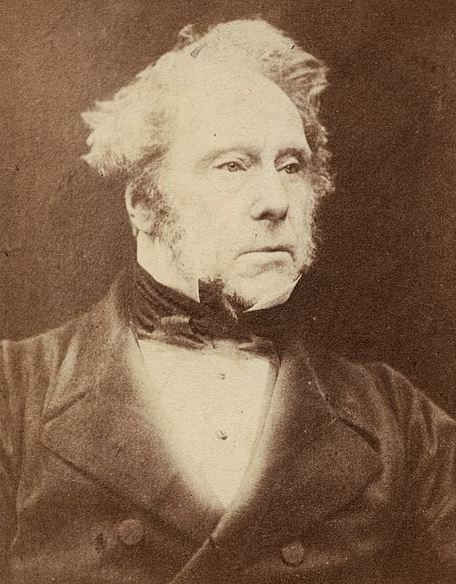
Image: Lord Palmerston during the late 1850s
Charles Sumner and American Citizenship
In the United States, the phrase inspired political discourse about the responsibilities of citizenship. Senator Charles Sumner referenced it in his 1856 speech, “The Crime Against Kansas,” during debates over the violence and lawlessness in Kansas Territory.
Sumner lamented that the declaration “I am an American citizen” had failed to protect individuals from oppression and violence, contrasting this failure with the effective safeguards historically enjoyed by Roman citizens. His speech emphasized the importance of upholding the rights and dignity of citizens as a core principle of governance.
John F. Kennedy and the Cold War
In a more symbolic context, U.S. President John F. Kennedy invoked the legacy of Civis Romanus sum in his famous 1963 Berlin speech. Addressing the people of West Berlin during the height of the Cold War, Kennedy declared, “Two thousand years ago, the proudest boast was ‘Civis Romanus sum.’
Today, in the world of freedom, the proudest boast is ‘Ich bin ein Berliner.’” By drawing this parallel, Kennedy highlighted the enduring values of citizenship, solidarity, and protection in the face of adversity, linking ancient Rome’s ideals with modern democratic principles.
Civis Romanus Sum in Popular Culture
The phrase’s enduring resonance extends beyond historical and political contexts into literature and popular culture, where it symbolizes the power of citizenship and protection.
- The West Wing: In Season 1, Episode 3, President Josiah Bartlet references Civis Romanus sum while discussing the unparalleled security and retribution guaranteed to Roman citizens. The dialogue illustrates the timeless appeal of the phrase as an emblem of state protection.
- Terry Pratchett’s Monstrous Regiment: In this Discworld novel, the concept is humorously adapted as “Civis Ankhmorporkius sum.” The protagonist, William de Worde, uses the phrase to assert his rights and avoid being classified as an enemy informant, showcasing the satirical potential of citizenship as a protective shield.

Symbolism and Legacy
The phrase Civis Romanus sum represents more than the legal privileges of Roman citizenship. It embodies the broader idea of the bond between individuals and the state—a relationship rooted in mutual responsibility. For citizens, it meant security, dignity, and access to justice. For the state, it symbolized an obligation to protect and uphold the rights of its people, even beyond its borders.
This enduring legacy has inspired modern notions of citizenship, influencing how states conceive their responsibilities to their citizens. Whether invoked in historical crises, political rhetoric, or cultural narratives, Civis Romanus sum continues to resonate as a symbol of identity, protection, and the ideals of governance that transcend time.
Frequently Asked Questions

What was the significance of declaring civis Romanus sum in the Roman Empire?
It ensured the protection and legal rights of a Roman citizen, including safety while traveling and exemption from certain punishments without a trial.
Who is credited with emphasizing the phrase civis Romanus sum in ancient Roman literature?
Cicero highlighted the phrase in his work In Verrem, emphasizing the sanctity of a Roman citizen’s legal protections.
How did Paul the Apostle use his Roman citizenship to his advantage in Acts 22?
Paul invoked his citizenship to avoid flogging, which was illegal for uncondemned Roman citizens, and demanded a trial before Caesar.
What was the response of the Roman authorities when Paul claimed to be a Roman citizen?
The authorities immediately ceased their actions and became fearful, realizing they had unlawfully bound a Roman citizen.
How did the Don Pacifico Affair relate to the concept of civis Romanus sum?
British Prime Minister Lord Palmerston invoked the spirit of civis Romanus sum to justify protecting British citizens worldwide, drawing a parallel to the Roman Empire’s commitment to its citizens.
What was Lord Palmerston’s argument regarding the protection of British citizens?
He argued that every British subject should be safeguarded globally with the same vigor as Roman citizens were under the Roman Empire.
How did Senator Charles Sumner adapt the concept of civis Romanus sum in his speech “The Crime Against Kansas”?
Sumner lamented that the cry “I am an American citizen” failed to protect individuals from violence, contrasting it with the effective protection Roman citizens received.
What connection did John F. Kennedy make with civis Romanus sum in his Berlin speech?
Kennedy compared the pride and protection of Roman citizenship to the modern pride of freedom and solidarity, declaring “Ich bin ein Berliner” to show support for West Berlin during the Cold War.
How did Terry Pratchett incorporate civis Romanus sum into his novel Monstrous Regiment?
Pratchett humorously adapted the phrase as “Civis Ankhmorporkius sum,” using it to show how citizenship provided protection even in fictional contexts.
What broader idea does civis Romanus sum symbolize in history and culture?
It symbolizes the power of citizenship as a protective shield, ensuring legal rights, safety, and dignity, and transcends time as a concept of state responsibility to its citizens.





