Confederate States Army: History and Major Facts
The Confederate States Army (CSA), commonly referred to as the Confederate Army or Southern Army, was the military land force of the Confederate States of America (CSA) during the American Civil War (1861–1865). Formed in the wake of the secession of seven Southern states, the CSA played a pivotal role in the conflict, striving to achieve the independence of the Southern states and uphold the institution of slavery.
In the article below, World History Edu delves into various facets of the Confederate States Army, highlighting its origins, strategies, key battles, logistical challenges, societal impact, and enduring legacy.
Origins and Political Context
The formation of the Confederate States Army was intrinsically linked to the political upheaval preceding the Civil War. The secession of the Southern states was primarily driven by disputes over states’ rights and the preservation of slavery.
When Abraham Lincoln was elected President of the United States in November 1860, his anti-slavery platform alarmed the Southern states, leading them to secede from the Union.
By February 1861, seven states had formed the Confederate States of America, establishing a provisional government with Jefferson Davis as its president.
The Confederate States Army aimed to secure the independence of Southern states and preserve slavery.
The Confederate States Army was officially established on February 28, 1861, by the Provisional Confederate Congress. This decision was a direct response to the perceived threat to Southern interests and the desire to defend their economic and social systems, which were heavily reliant on slave labor. The creation of the CSA was both a military and political maneuver, aiming to assert the sovereignty of the seceded states and prepare for potential conflict with the Union.

Image: Flag of the Army of Northern Virginia used in battle
Military Strategy and Tactics
The Confederate States Army developed its military strategy around several core principles, influenced by the geography of the Southern states and the leadership of experienced military commanders. One of the primary strategies was defensive warfare, leveraging the vast and varied terrain of the South to their advantage. The Confederacy aimed to prolong the war, inflicting significant casualties on Union forces while avoiding decisive confrontations that could lead to their swift defeat.
Key elements of Confederate military tactics included:
- Defensive Fortifications: The CSA invested heavily in fortifying strategic locations, such as Charleston Harbor and Atlanta, to slow down Union advances.
- Offensive Counterattacks: Despite a general preference for defense, Confederate commanders like Robert E. Lee employed aggressive offensive tactics when advantageous, exemplified by Lee’s invasions of the North.
- Guerrilla Warfare: In regions where conventional military operations were less feasible, Confederate forces often resorted to guerrilla tactics, disrupting Union supply lines and communications.
- Attrition Warfare: The Confederacy sought to wear down Union forces through prolonged engagements, hoping that the economic strain and high casualty rates would erode Northern resolve.
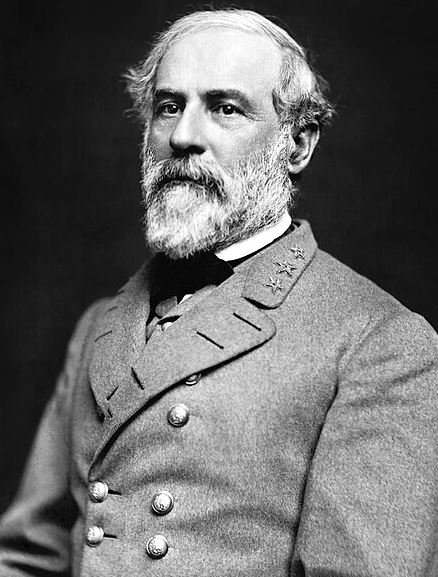
Image: An 1864 photograph of Robert E. Lee.
Key Battles and Campaigns
Several key battles and campaigns defined the course of the Confederate States Army during the Civil War. These engagements were critical in shaping the strategic landscape of the conflict.
Battle of Gettysburg (July 1-3, 1863)
Often considered the turning point of the Civil War, the Battle of Gettysburg was a significant defeat for the Confederate Army. Led by General Robert E. Lee, the Army of Northern Virginia attempted to invade the North, aiming to relieve pressure on Virginian farms and potentially sway Northern public opinion against the war. However, Union forces under General George G. Meade repelled the invasion, resulting in heavy casualties and a decisive Union victory.

Image: “The Battle of Gettysburg”. Artwork by American painter Thure de Thulstrup.
Siege of Vicksburg (May 18 – July 4, 1863)
The Siege of Vicksburg was another pivotal campaign, where the Confederate Army, commanded by Lieutenant General John C. Pemberton, held out against Union forces led by Major General Ulysses S. Grant. The prolonged siege ultimately led to the Confederate surrender, granting the Union control over the Mississippi River and effectively splitting the Confederacy in two.
Battle of Antietam (September 17, 1862)
Known as the bloodiest single-day battle in American history, the Battle of Antietam saw intense fighting between Confederate forces under General Lee and Union troops under General George McClellan. Although tactically inconclusive, the battle halted Lee’s invasion of the North and provided President Lincoln the opportunity to issue the Emancipation Proclamation.
Equipment and Armament
The Confederate States Army faced significant challenges in equipping its soldiers. The South lacked the industrial capacity of the North, resulting in shortages of weapons, ammunition, and other military supplies. Consequently, Confederate soldiers often used a mix of captured Union arms, locally produced firearms, and imported weapons from European allies.
Key aspects of Confederate armament included:
- Rifles and Pistols: Confederate troops primarily used muzzle-loading rifled muskets such as the Enfield Pattern 1853 and the Springfield Model 1861. These were often converted to breech-loaders to increase firing rates.
- Artillery: The CSA employed a variety of artillery pieces, including smoothbore cannons and rifled artillery, many of which were captured from Union forces or produced in Southern arsenals.
- Uniforms: Due to supply shortages, Confederate uniforms were often inconsistent, with variations in color, fabric, and style. Soldiers commonly wore gray wool uniforms, but quality and uniformity varied significantly.
Role of Cavalry and Infantry
The Confederate States Army’s cavalry and infantry played distinct roles within the military structure, each contributing uniquely to the war effort.
Cavalry
Confederate cavalry units were renowned for their mobility and effectiveness in reconnaissance, raiding, and screening operations. Leaders like Nathan Bedford Forrest exemplified the prowess of Southern cavalry, conducting swift raids that disrupted Union supply lines and communications. Cavalrymen were also instrumental in gathering intelligence and executing guerrilla tactics, enhancing the overall operational flexibility of the Confederate forces.
Infantry
Infantry units formed the backbone of the Confederate Army, engaging in sustained combat operations against Union forces. Confederate infantrymen were often highly motivated and demonstrated considerable resilience, fighting in numerous intense and prolonged battles. The infantry’s role was crucial in both offensive assaults and defensive stands, reflecting the army’s strategic emphasis on holding key positions and prolonging the war.
Medical Care and Conditions
Medical care within the Confederate States Army was rudimentary and faced numerous challenges, exacerbated by the ongoing war and resource constraints. Confederate surgeons and medical staff worked under harsh conditions, often with limited supplies and facilities.
Key issues included:
- Disease and Sanitation: Disease was rampant within the Confederate Army, with conditions in camps contributing to the spread of illnesses such as dysentery, typhoid, and malaria. Poor sanitation and inadequate medical knowledge hindered effective disease management.
- Medical Facilities: Field hospitals were often overcrowded and poorly equipped, making it difficult to provide adequate care for wounded soldiers. The lack of a centralized medical system further complicated efforts to treat the injured.
- Transportation of the Wounded: The Confederate Army struggled to transport wounded soldiers to medical facilities due to damaged infrastructure and Union control of key transportation routes. This led to higher mortality rates among the injured.
Leadership Challenges
Leadership within the Confederate States Army was marked by both strategic brilliance and significant challenges. Commanders like Robert E. Lee were celebrated for their tactical acumen, yet the army often grappled with internal disputes, logistical hurdles, and strategic missteps.
Key leadership challenges included:
- Strategic Coordination: The fragmented command structure hindered effective coordination between different Confederate armies. This lack of unified strategy often led to missed opportunities and failed offensives.
- Resource Allocation: Leaders frequently struggled with limited resources, forcing them to make difficult decisions about troop deployments, supply prioritization, and battlefield tactics.
- Morale and Discipline: Maintaining morale and discipline was a constant struggle, particularly as the war dragged on and Confederate victories became less frequent. Leadership had to balance harsh disciplinary measures with efforts to sustain soldier morale.
Impact on Southern Society
The Confederate States Army had a profound impact on Southern society, influencing economic structures, social norms, and daily life. The war effort necessitated the mobilization of vast human and material resources, reshaping the Southern economy and exacerbating social tensions.
Key societal impacts included:
- Economic Strain: The war placed immense strain on the Southern economy, disrupting agricultural production, destroying infrastructure, and causing widespread inflation. The reliance on a war economy led to shortages of goods and services, affecting both soldiers and civilians.
- Social Hierarchy: The army reinforced existing social hierarchies, with plantation owners and wealthy individuals often holding leadership positions within the military structure. This dynamic underscored the intertwining of social status and military authority.
- Family and Community Life: The mobilization of large numbers of men for military service disrupted family structures and community life. The absence of men led to increased responsibilities for women and children, altering traditional gender roles and community dynamics.
Legacy and Memory
The legacy of the Confederate States Army remains a contentious and complex aspect of American history. Monuments, memorials, and historical interpretations continue to spark debate about the Confederacy’s role and the values it represented.
Key aspects of the CSA’s legacy include:
- Monuments and Memorials: Numerous Confederate monuments were erected across the South, commemorating military leaders and fallen soldiers. These monuments have become focal points for debates over historical memory and the appropriate representation of the Confederacy.
- Historical Interpretation: Historians continue to debate the motivations, strategies, and effectiveness of the Confederate States Army. Contemporary scholarship often reassesses the CSA’s role in upholding slavery and states’ rights, challenging earlier narratives that romanticized the Confederate cause.
- Cultural Impact: The Confederate States Army has left a lasting imprint on Southern culture, influencing literature, folklore, and regional identity. The portrayal of Confederate soldiers in media and popular culture varies, reflecting ongoing societal divisions over the Civil War’s legacy.
Confederate Navy and Marine Corps
While the Confederate States Army was the primary military force, the Confederate Navy and Marine Corps also played crucial roles in the Civil War. The Confederate Navy focused on defending Southern ports, disrupting Union shipping through commerce raiding, and constructing ironclad warships.
Key elements of the Confederate Navy included:
- Blockade Runners: The Confederacy relied on fast, stealthy ships known as blockade runners to transport essential goods and war supplies
from Europe and the interior South to Confederate ports, circumventing the Union blockade. These vessels were critical in sustaining the Confederate war effort, importing arms, ammunition, and other vital supplies.
- Ironclads: The Confederate Navy developed ironclad warships, such as the CSS Virginia (formerly the USS Merrimack), which played a significant role in naval engagements like the Battle of Hampton Roads. These ironclads challenged traditional naval warfare and demonstrated the technological advancements of the period.
- Commerce Raiders: Commanders like Raphael Semmes with the CSS Alabama engaged in commerce raiding, attacking Union merchant ships to disrupt Northern supply lines and create economic strain.
The Confederate Marine Corps, though smaller in scale compared to the Union’s, participated in naval operations and amphibious assaults, contributing to the overall military strategy of the Confederacy.
International Relations and Recognition
The Confederate States Army sought international recognition and support, particularly from European powers like Britain and France. However, the Confederacy’s efforts were largely unsuccessful due to several factors:
- Diplomatic Neutrality: European nations, particularly Britain, maintained official neutrality despite some economic interests in the South’s cotton exports. The Union’s diplomatic efforts, including the issuance of the Emancipation Proclamation, swayed European public opinion against the Confederacy.
- Economic Constraints: The Union blockade effectively restricted Confederate access to international markets, limiting the CSA’s ability to secure foreign support and military supplies.
- Moral Opposition: The abolitionist movements in Europe, especially in Britain, opposed slavery, making it politically difficult for European nations to support a government founded on the institution of slavery.
These diplomatic challenges hindered the Confederate States Army’s ability to gain crucial international aid, reinforcing the Union’s strategic advantage.
End of the War and Surrender
The Confederate States Army ultimately faced overwhelming odds as the Union’s industrial and manpower advantages began to take a decisive toll. Key events leading to the surrender of the Confederate forces include:
- Fall of Richmond: The Union’s capture of Richmond, Virginia, the Confederate capital, in April 1865, marked a significant blow to Confederate morale and command structure.
- Surrender of Lee’s Army: General Robert E. Lee’s Army of Northern Virginia, the most prominent Confederate field army, surrendered to Union General Ulysses S. Grant at Appomattox Court House on April 9, 1865. This surrender symbolized the effective end of the Confederacy’s military resistance.
- Subsequent Surrenders: Other Confederate armies, such as the Army of Tennessee under General Joseph E. Johnston and the Army of the Trans-Mississippi, also surrendered in the following weeks, culminating in the dissolution of the Confederate States of America.
Women and Support Roles
Women played essential support roles within the Confederate States Army, contributing to the war effort in various capacities:
- Nurses and Medical Staff: Women served as nurses, providing medical care to wounded soldiers. Figures like Clara Barton, who later founded the American Red Cross, were instrumental in organizing medical services.
- Camp Followers: Women often accompanied troops as camp followers, performing tasks such as cooking, laundering, and tending to the sick. These roles were crucial in maintaining the daily operations of the army.
- Spies and Intelligence Operatives: Some women acted as spies, gathering intelligence and transmitting information between Confederate commanders and sympathizers. Their contributions were vital in maintaining the flow of strategic information.
Economics and Financing
The Confederate States Army’s operations were heavily dependent on the economic infrastructure of the South, which faced significant challenges throughout the war:
- Funding the War Effort: The Confederate government struggled to finance the war due to limited industrial capacity and the Union blockade. Financing methods included issuing bonds, printing paper currency, and imposing taxes, all of which led to rampant inflation and economic instability.
- Resource Allocation: Southern states were responsible for providing supplies to their regiments, often leading to disparities in equipment and provisions. Wealthier states like Virginia and North Carolina were better able to equip their troops compared to poorer states like Texas and Mississippi.
- Impact of Inflation: The Confederate currency depreciated rapidly, eroding the purchasing power of soldiers and civilians alike. Inflation made it difficult to procure essential goods, exacerbating the hardships faced by those supporting the army.
Communication and Intelligence
Effective communication and intelligence were critical for the Confederate States Army’s operational success:
- Telegraph and Communication Lines: The CSA utilized telegraph lines to coordinate movements and relay strategic information. However, these lines were frequently targeted and destroyed by Union forces, disrupting Confederate communications.
- Espionage: Confederate intelligence operations included espionage against Union forces, attempting to gather information on troop movements, supply lines, and strategic plans. Spies operated both within the South and in Union-held territories, though their effectiveness was often limited by resource constraints.
- Code and Cipher Systems: The Confederacy employed various code and cipher systems to secure communications. While some codes were effective, others were compromised by Union intelligence efforts, leading to breaches in confidentiality and strategic disadvantage.
Role of Native Americans and Immigrants
The Confederate States Army included soldiers from diverse backgrounds, including Native Americans and immigrants, who contributed uniquely to the war effort:
- Native American Soldiers: Various Native American tribes, such as the Cherokee, Choctaw, and Creek, enlisted in the Confederate Army. These soldiers participated in significant battles and provided valuable skills in scouting and guerrilla warfare. Leadership figures like Stand Watie, a Cherokee general, exemplified the involvement of Native Americans in the Confederate military structure.
- Immigrant Soldiers: Immigrants, particularly from Europe, also served in the Confederate Army. Groups such as Italian Americans joined the CSA, driven by loyalty to their adopted homeland or economic incentives. These soldiers brought diverse military experiences and contributed to the overall strength of the Confederate forces.
Women and Support Roles
Women played essential support roles within the Confederate States Army, contributing to the war effort in various capacities:
- Nurses and Medical Staff: Women served as nurses, providing medical care to wounded soldiers. Figures like Clara Barton, who later founded the American Red Cross, were instrumental in organizing medical services.
- Camp Followers: Women often accompanied troops as camp followers, performing tasks such as cooking, laundering, and tending to the sick. These roles were crucial in maintaining the daily operations of the army.
- Spies and Intelligence Operatives: Some women acted as spies, gathering intelligence and transmitting information between Confederate commanders and sympathizers. Their contributions were vital in maintaining the flow of strategic information.
Supply and Logistics
The Confederate States Army’s supply and logistics operations were consistently hampered by resource shortages, inadequate infrastructure, and Union interference:
- Railroad Infrastructure: The South’s railroad network was less developed compared to the North’s, making it difficult to transport troops and supplies efficiently. Union forces targeted rail lines through raids and sabotage, further disrupting Confederate logistics.
- Supply Chains: The CSA struggled to establish reliable supply chains for food, ammunition, medical supplies, and other essentials. Dependence on state-level contributions led to inconsistencies and delays in equipping and provisioning the army.
- Manufacturing Limitations: The Confederacy lacked a robust industrial base, limiting its ability to produce arms, ammunition, uniforms, and other military necessities. Efforts to establish manufacturing centers were often underfunded and inadequately supported.
- Food Shortages: As the war progressed, food shortages became increasingly severe. Confederate soldiers frequently faced hunger and malnutrition, which impacted their effectiveness and morale on the battlefield.
Arms Importation
Arming the Confederate States Army was a persistent challenge due to the Union blockade, which restricted the import of weapons and military supplies:
- Blockade Runners: The Confederacy relied on blockade runners—fast, stealthy ships designed to evade Union naval patrols—to import arms, ammunition, and other essential supplies from Europe. These vessels were crucial in maintaining the CSA’s weaponry and equipment.
- Foreign Assistance: While the Confederate States sought support from European powers like Britain and France, official recognition and substantial aid were never secured. Nevertheless, private British interests facilitated the transfer of arms, bolstering the Confederate arsenal despite diplomatic obstacles.
- Captured Equipment: Confederate forces often repurposed captured Union weapons and supplies, integrating them into their own military infrastructure. This practice helped alleviate some of the shortages but was not sufficient to fully equip the army.
Education and Training
The Confederate States Army placed significant emphasis on the education and training of its officers and soldiers:
- Military Academies: The South established military academies, such as the Virginia Military Institute (VMI) and the Citadel, to train future Confederate officers. These institutions emphasized leadership, tactical knowledge, and disciplined military conduct.
- Officer Training: Experienced military leaders from the pre-war U.S. Army, including Robert E. Lee and Braxton Bragg, were instrumental in training Confederate officers. Their expertise helped instill effective combat strategies and leadership qualities within the CSA’s ranks.
- Soldier Training: Confederate soldiers received varying levels of training, often dependent on their unit’s leadership and available resources. Well-trained units, particularly those led by competent officers, demonstrated higher effectiveness in battle compared to poorly trained counterparts.
Impact on Civilian Populations
The Confederate States Army’s operations had a profound impact on civilian populations within the South:
- Total War Tactics: As the war progressed, Confederate generals like Braxton Bragg and Joseph E. Johnston adopted total war tactics, targeting not only enemy forces but also civilian infrastructure. This approach aimed to break the Union’s will to fight by undermining its economic and social foundations.
- Destruction and Displacement: Battles and campaigns led to widespread destruction of homes, farms, and businesses, resulting in significant civilian displacement. Cities like Atlanta and Vicksburg experienced extensive damage, disrupting daily life and economic activities.
- Conscription and Labor: The Confederate conscription policies and the demand for labor placed additional burdens on Southern civilians. Families were forced to contribute men and resources to the war effort, often leading to economic hardship and social strain.
Legacy and Memory
The legacy of the Confederate States Army is complex and multifaceted, reflecting ongoing debates about the Civil War’s causes and consequences:
- Monuments and Memorials: Numerous Confederate monuments were erected throughout the South to honor fallen soldiers and prominent military leaders. These monuments have become contentious symbols, sparking debates over their historical significance and appropriateness in public spaces.
- Historiography: Scholarly interpretations of the Confederate States Army have evolved over time. Early narratives often romanticized the CSA as a noble and gallant force, while modern scholarship critically examines the Confederacy’s role in perpetuating slavery and secessionist ideologies.
- Cultural Influence: The CSA has left a lasting imprint on Southern culture, influencing literature, folklore, and regional identity. Confederate symbols and iconography continue to play a role in contemporary Southern identity, albeit amidst significant controversy and calls for reevaluation.
Conclusion
The Confederate States Army was a formidable military force that played a central role in the American Civil War. Despite facing significant challenges in terms of logistics, supply, and centralized leadership, the CSA demonstrated resilience and tactical ingenuity under the command of skilled generals like Robert E. Lee. The army’s efforts were deeply intertwined with the political and social objectives of the Confederacy, particularly the preservation of slavery and states’ rights.
The legacy of the Confederate States Army remains a subject of intense historical scrutiny and cultural debate. Understanding the complexities of the CSA’s formation, operations, and impact provides valuable insights into the broader dynamics of the Civil War and its lasting effects on American society. The Confederate States Army serves as a reminder of the profound human, economic, and moral costs of the conflict, shaping the course of American history in ways that continue to resonate to this day.
Additional Perspectives
Psychological Impact on Soldiers
The psychological toll of serving in the Confederate States Army was immense. Soldiers faced the constant threat of death, injury, and the stress of prolonged conflict. The lack of adequate medical care and the high casualty rates contributed to widespread trauma and mental health issues among Confederate soldiers. Letters and diaries from Confederate soldiers reveal experiences of fear, despair, and resilience, highlighting the human cost of the war beyond mere numbers.
Economic Diversification and Industrial Efforts
In response to the Union blockade and the limitations of the Southern economy, the Confederacy made efforts to diversify its industrial base. Initiatives included the establishment of armories, factories, and infrastructure projects aimed at increasing self-sufficiency. Despite these efforts, the South’s industrial capacity remained inferior to the North’s, hindering the Confederate States Army’s ability to sustain prolonged military engagements.
Role of Confederate Espionage
Espionage and intelligence gathering were critical components of the Confederate States Army’s strategy. The CSA employed spies both within the Union states and among Union sympathizers in the South. Notable Confederate spies, such as Rose O’Neal Greenhow and Belle Boyd, played significant roles in providing intelligence on Union movements and strategies. These espionage activities, though not always successful, contributed to the CSA’s efforts to counteract Union operations and gain strategic advantages.
Technological Innovations
The Confederate States Army, despite its resource constraints, embraced technological innovations to enhance its military capabilities. The development and deployment of ironclad ships, such as the CSS Virginia, marked significant advancements in naval warfare. Additionally, the CSA experimented with early forms of trench warfare and entrenchments, anticipating future military strategies that would later be seen in World War I.
Propaganda and Information Warfare
Propaganda played a crucial role in maintaining morale and shaping public opinion within the Confederacy. The CSA utilized newspapers, pamphlets, and public speeches to promote the Confederate cause, demonize the Union, and bolster support for the war effort. Effective use of propaganda helped sustain civilian support and encouraged enlistment, despite the increasing hardships faced by the Southern population.
Confederate Military Education
The Confederate States placed a strong emphasis on military education and training for its officers. Institutions like the Virginia Military Institute (VMI) and the Citadel in Charleston were instrumental in producing a cadre of trained military leaders. These academies provided rigorous training in tactics, strategy, and leadership, contributing to the effectiveness of Confederate commanders and their ability to inspire their troops.
Frequently Asked Questions about the Confederates States Army
What event marked the beginning of the Confederate States Army’s active engagement in the American Civil War?
The Confederate States Army began its active engagement in the American Civil War with the bombardment and subsequent capitulation of Fort Sumter in Charleston Harbor, South Carolina, on April 14, 1861. Confederate troops under General P.G.T. Beauregard bombarded the fort from April 12-13, forcing Major Robert Anderson and his small U.S. Army garrison to surrender.
Who was Jefferson Davis, and what roles did he play in the Confederate military structure?
Jefferson Davis was the President of the Confederate States of America. He played a crucial role in the Confederate military structure by serving as the commander-in-chief. Davis, a former U.S. Army officer and Secretary of War under President Franklin Pierce, was responsible for overseeing military operations, directing strategic decisions, and authorizing the mustering of state forces and volunteers.

Image: Photo of Jefferson Davis by American photographer Mathew Brady.
How did the Confederate States Congress structure the Confederate States Army, and what were its intended components?
The Confederate States Congress structured the Confederate States Army to include both a large provisional volunteer force and a small permanent regular army. The provisional force, known as the Provisional Army of the Confederate States (PACS), was intended to exist only during wartime. The permanent regular army, the Army of the Confederate States of America (ACSA), was authorized to include 15,015 men but was never fully organized, existing primarily on paper with minimal actual implementation.
What factors contributed to the high rates of desertion within the Confederate Army?
Several factors contributed to the high rates of desertion within the Confederate Army, including severe supply shortages, inadequate food and clothing, the destruction of infrastructure by Union forces, and the dire conditions faced by soldiers and their families at home.
Additionally, many soldiers felt a stronger duty to their families and communities than to the Confederacy, leading them to abandon their posts, especially as the war progressed and the likelihood of Confederate victory diminished.
What was the Confederate Conscription Act of 1862 and its significance?
The Confederate Conscription Act of 1862 was the first conscription law in both the Confederate and Union armies. It mandated that all able-bodied white men between the ages of 18 and 35 were liable for a three-year term of service in the Provisional Army.
The act also extended the enlistment terms of one-year soldiers to three years and exempted men employed in essential occupations such as railroad workers, telegraph operators, miners, and teachers. This legislation was significant as it addressed the Confederacy’s growing manpower shortages by implementing compulsory military service.
How did Confederate military leadership lack centralized control, and what impact did this have on their war efforts?
The Confederate military leadership lacked centralized control as there was no formal overall military commander until late in the war. Jefferson Davis served as the commander-in-chief, but individual armies operated independently with their own commanders.
This fragmentation led to strategic weaknesses, as coordinated efforts across multiple theaters were rare and often unsuccessful. For example, simultaneous but uncoordinated offensives by different Confederate armies in late 1862 failed to achieve common objectives, undermining the overall war effort.
What role did religion play in maintaining morale and loyalty among Confederate soldiers?
Religion played a significant role in maintaining morale and loyalty among Confederate soldiers. Southern churches sent missionaries to serve as army chaplains, leading to numerous religious revivals within the troops. Christianity provided soldiers with consolation for the loss of comrades, a shield against fear, and a sense of community and purpose. Religious faith strengthened their loyalty to their comrades and the Confederate cause, helping to sustain their commitment despite the hardships of war.
How did the Confederate States Army’s approach to uniforms and supplies affect its soldiers?
The Confederate States Army faced severe supply shortages, leading to inadequate and inconsistent uniforms for its soldiers. Many soldiers wore faded, patched-together uniforms, homemade garments dyed with available materials, or even civilian clothing. This lack of standardization made soldiers more vulnerable to enemy fire and contributed to confusion on the battlefield. Additionally, shortages of essential supplies such as shoes, tents, and gear forced soldiers to improvise, further diminishing their effectiveness and comfort.
In what ways did the Confederacy attempt to import arms, and what was the impact of these efforts?
The Confederacy attempted to import arms by relying on British blockade runners—swift ships that evaded the Union naval blockade to deliver weapons, ammunition, and other war supplies from Britain. British merchants and bankers funded the purchase of arms and the construction of these blockade-running ships.
These efforts were crucial in supplementing the Confederate arsenal, providing thousands of tons of gunpowder, half a million rifles, and several hundred cannons. The successful importation of arms helped sustain the Confederate military efforts despite domestic production limitations.
What was the Confederate States Army’s rank structure, and how did it differ from the Union Army?
The Confederate States Army’s rank structure included General, Lieutenant General, Major General, Brigadier General, Colonel, Lieutenant Colonel, Major, Captain, First Lieutenant, and Second Lieutenant. Unlike the Union Army, the Confederacy allowed the election of officers below the rank of Brigadier General by the soldiers under their command.
Additionally, all general officers wore the same insignia regardless of their grade, and the Confederate Congress initially made Brigadier General the highest rank before adding other general ranks without distinct insignia. This differed from the Union Army’s more standardized and hierarchical rank insignia system.
How did the Confederate States Army organize its military units, and what were the typical sizes of these units?
The Confederate States Army organized its military units into a hierarchical structure similar to the U.S. Army. The smallest maneuver unit was the company, typically consisting of about 35 to 40 men and commanded by a captain. Ten companies formed a regiment, which ideally had around 350 to 400 soldiers due to attrition from disease, desertions, and casualties.
Regiments were grouped into brigades, usually composed of four regiments, although this number varied. Multiple brigades formed a division, and several divisions made up a corps.
Finally, two to four corps formed an army. This structure allowed for scalable command and control across different levels of the military hierarchy.
What were some of the primary challenges faced by the Confederate States Army in terms of supply and logistics?
The Confederate States Army faced numerous challenges in supply and logistics, including a lack of central authority and inadequate funding from state governments. The Union blockade severely restricted access to essential supplies and disrupted transportation networks. Poor road systems and an overburdened railroad infrastructure further hindered the movement of troops and supplies.
Additionally, the Confederacy lacked sufficient textile factories, resulting in shortages of uniforms and other necessary materials. These logistical difficulties hampered the Confederate war effort, leading to widespread shortages of food, ammunition, and equipment for soldiers.
How did the Confederate States Army handle the recruitment and organization of African American soldiers?
The Confederate States Army did not officially allow African Americans, whether free or enslaved, to join their ranks as soldiers. Early in the war, the idea of arming slaves was considered but not seriously pursued by Confederate leaders like Jefferson Davis. It was only in the final days of the war, under extreme manpower shortages, that a few African American units were briefly organized.
However, these efforts were too late to have any significant impact, as the war ended shortly after General Robert E. Lee’s advocacy led to the Confederate Congress passing an order to enlist black soldiers. Ultimately, no African American soldiers were officially incorporated into the Confederate Army.
What were the estimated casualty figures for the Confederate States Army, and how did they compare to Union casualties?
The estimated casualty figures for the Confederate States Army are approximately 94,000 killed in battle, 164,000 deaths from disease, and between 25,976 and 31,000 deaths in Union prison camps. Additionally, there were an estimated 194,026 wounded soldiers.
In comparison, the Union Army suffered about 110,100 killed in battle, 224,580 deaths from disease, and 30,218 deaths in Confederate prison camps, with approximately 275,174 wounded soldiers. These figures highlight the significant human cost endured by the Confederate forces during the Civil War.
What were the sociocultural effects of the American Civil War?





