Early Church Fathers
The Early Church Fathers are a group of influential Christian theologians, bishops, and writers who played pivotal roles in shaping the doctrines, practices, and organizational structures of Christianity from the 1st to the 8th centuries. Their contributions were foundational in establishing the theological and institutional framework of the Church, combating heretical movements, and integrating Christian thought with contemporary philosophical ideas.
In the article below, World History Edu delves into their history, key figures, and enduring significance in the development of Christianity.
Origins and Historical Context
The Early Church Fathers emerged in the formative years of Christianity, a period marked by rapid growth, doctrinal disputes, and varying interpretations of Jesus Christ’s teachings. Following the apostles, who were direct disciples of Jesus, these Fathers provided continuity and leadership as the Christian community expanded geographically and culturally. They operated in diverse regions, including Rome, Antioch, Alexandria, and the Eastern Mediterranean, each contributing uniquely to the theological and organizational evolution of the Church.
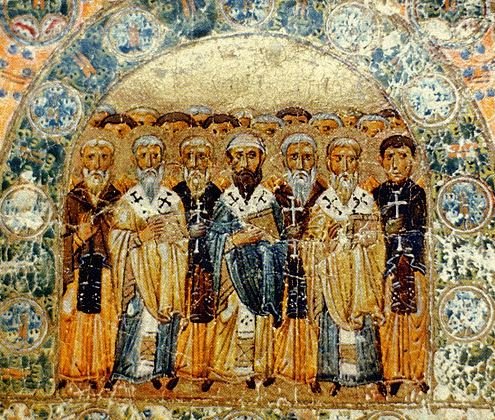
The Church Fathers, also known as Early or Christian Fathers, were pivotal theologians and writers from the late 1st to mid-8th centuries. They laid the foundational intellectual and doctrinal groundwork for Christianity, particularly thriving during the 4th and 5th centuries when Christianity became the Roman Empire’s state religion.
Apostolic Fathers: Bridging the Apostolic Age
The Apostolic Fathers were among the first generation of Christian leaders who either personally knew the Twelve Apostles or were significantly influenced by their teachings. Living in the 1st and early 2nd centuries, they were instrumental in transitioning Christianity from a persecuted sect to a structured religion.
Clement of Rome authored the First Epistle of Clement, addressing disputes in the Corinthian church and advocating for unity and order. His writings reflect an early understanding of church hierarchy and the authority of bishops.
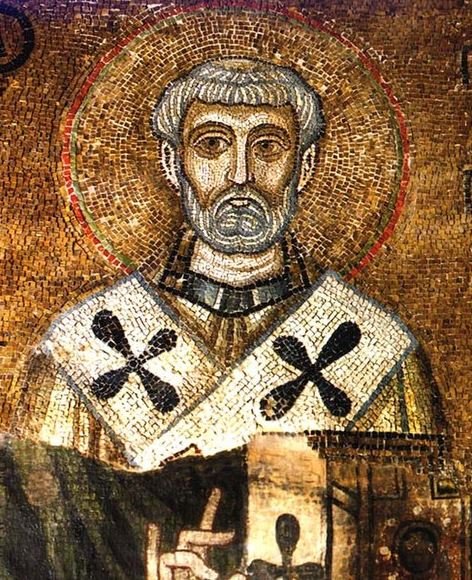
Image: A portrait of Clement of Rome at the Saint Sophia’s Cathedral, in Kyiv, Ukraine.
Ignatius of Antioch wrote a series of letters while en route to his martyrdom, emphasizing the importance of ecclesiastical structure, the role of bishops, and the sacraments. His insistence on episcopal authority helped solidify the hierarchical nature of the early Church.
Polycarp of Smyrna, a disciple of John the Apostle, exemplified steadfast faith through his martyrdom. His interactions with other Church leaders highlighted the interconnectedness of early Christian communities and their collective efforts to maintain doctrinal consistency.
Papias of Hierapolis, though less documented, contributed to the preservation of apostolic traditions. His work, though largely lost, is known through fragments cited by later Fathers like Irenaeus, indicating his role in early theological discourse.
Greek Fathers: Theologians and Apologists
The Greek Fathers were prominent in the Eastern Mediterranean, writing in Greek, the lingua franca of the region. They were crucial in developing Christian doctrine, defending the faith against paganism and heresies, and integrating Greek philosophical concepts with Christian theology.
Justin Martyr was a key apologist who articulated the concept of Logos, bridging Greek philosophy and Christian theology. His dialogues with pagan philosophers aimed to demonstrate the rationality and superiority of Christian beliefs.
Irenaeus of Lyons combated Gnosticism through his work Against Heresies, emphasizing the apostolic tradition and the unity of Scripture. He advocated for the canonical Gospels, helping to shape the New Testament’s formation.
Clement of Alexandria sought to harmonize Greek philosophy with Christian teachings, particularly Platonism. His efforts to incorporate intellectual inquiry within the faith laid the groundwork for later theological developments.
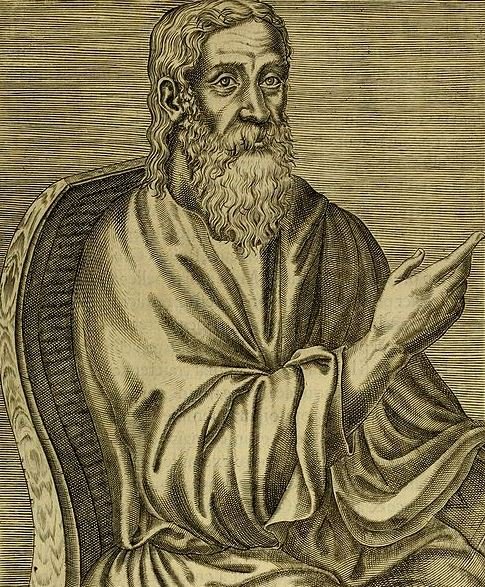
Image: A portrait of Clement of Alexandria.
Athanasius of Alexandria was a staunch defender of Trinitarian doctrine against Arianism. His role at the First Council of Nicaea and his extensive writings, such as On the Incarnation, were pivotal in establishing orthodox Christian theology.
The Cappadocian Fathers—Basil the Great, Gregory of Nyssa, and Gregory of Nazianzus—played a vital role in defining the Trinity and countering heretical views. Their collaborative theological work significantly influenced both Eastern and Western Christianity, solidifying the doctrine of the Trinity.
John Chrysostom, known for his eloquent preaching and extensive homilies, served as the Archbishop of Constantinople. His liturgical contributions and emphasis on moral living left a lasting impact on Christian worship and ecclesiastical practices.
Theodore of Mopsuestia was a prolific biblical exegete whose emphasis on literal and historical interpretations influenced the Antiochene school of theology. Despite later condemnations, his works continued to shape theological discussions across various Christian traditions.
Cyril of Alexandria was central in the Christological debates of his time, particularly against Nestorianism. His leadership at the Council of Ephesus and his theological writings reinforced the doctrine of the hypostatic union, affirming the unity of Christ’s divine and human natures.
Maximus the Confessor contributed significantly to Christian mysticism and theology, defending the dual wills of Christ and elaborating on the nature of the Trinity. His works were pivotal in later theological formulations and mystical traditions.
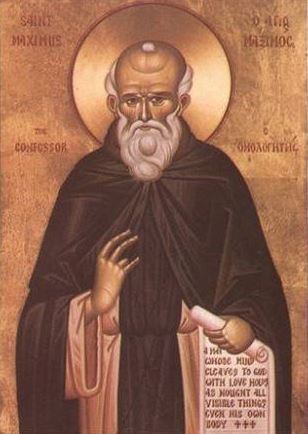
Image: A painting of Maximus the Confessor.
John of Damascus was renowned for his defense of icon veneration and authored numerous theological and philosophical works. His Exposition of the Orthodox Faith remains a cornerstone in Eastern Orthodox theology, bridging doctrinal teachings with practical theology.
Latin Fathers: Shaping Western Christianity
The Latin Fathers were key figures in the Western Roman Empire, writing in Latin and significantly influencing Western Christian thought, doctrine, and practice. They were instrumental in translating, standardizing, and defending Christian teachings in the Latin-speaking world.
Ambrose of Milan served as the Archbishop of Milan and was a key influence on Augustine of Hippo’s conversion. His writings and actions significantly shaped Western liturgy and ecclesiastical authority, emphasizing the moral responsibilities of church leaders.
Jerome is best known for translating the Bible into Latin—the Vulgate—which became the standard biblical text in Western Christianity. His extensive commentaries and theological works further established his legacy as a Doctor of the Church, influencing biblical interpretation and doctrine.
Augustine of Hippo was one of the most influential theologians in Western Christianity. His works, including Confessions and The City of God, addressed themes such as original sin, grace, and the nature of the Church. Augustine’s integration of Christian doctrine with Neoplatonic philosophy shaped Western theological and philosophical thought for centuries.
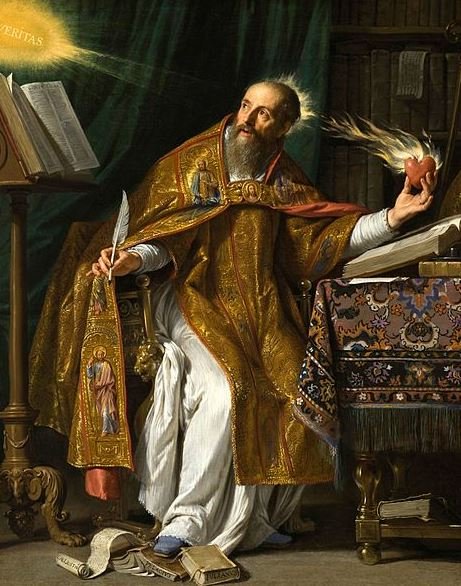
Image: A painting by French painter Philippe de Champaigne of Augustine of Hippo.
Pope Gregory I (Gregory the Great) was pivotal in developing medieval Christianity. His writings on pastoral care, liturgy, and church organization influenced both the papacy and monastic movements, laying the groundwork for medieval Church structure and practice.
Tertullian is often regarded as the father of Latin Christianity. His apologetic and theological writings introduced key Christian terms and concepts into Latin discourse, including the doctrine of the Trinity. Tertullian’s rigorous defense of Christianity against paganism and heresy established foundational theological principles.
Cyprian of Carthage emphasized the unity of the Church and the authority of bishops, particularly the Roman See. His writings were foundational in early discussions on ecclesiastical hierarchy and sacramental theology, promoting the idea of a centralized Church authority.
Hilary of Poitiers was a staunch opponent of Arianism and made significant contributions to Trinitarian theology. His works defended the consubstantiality of the Father, Son, and Holy Spirit, aligning with orthodox positions defined at the Council of Nicaea and reinforcing the doctrine of the Trinity.
Pope Leo the Great played a crucial role in defining Christological doctrines and combating heretical views. His Tome of Leo was a key document at the Council of Chalcedon, influencing the official stance on the nature of Christ and solidifying orthodox Christology.
Syriac Fathers: Influencing Eastern Traditions
The Syriac Fathers were theologians and writers who composed their works in Syriac, a dialect of Aramaic. They significantly influenced Eastern Christian traditions, including the Syriac Orthodox Church and the Church of the East, through their theological, liturgical, and poetic contributions.
Aphrahat, known as the Persian Sage, authored a series of homilies addressing various aspects of Christian doctrine and practice. His Demonstrations provided ethical guidance and theological insights to early Christians in Persia, reflecting the concerns of the Church beyond the Roman Empire’s boundaries.
Ephrem the Syrian was a prolific hymnographer and theologian whose poetic works and sermons were instrumental in the spiritual life of Syriac Christians. His hymns remain integral to Syriac liturgy, and his theological contributions earned him the title of Doctor of the Church, emphasizing his role in shaping Syriac Christian spirituality.
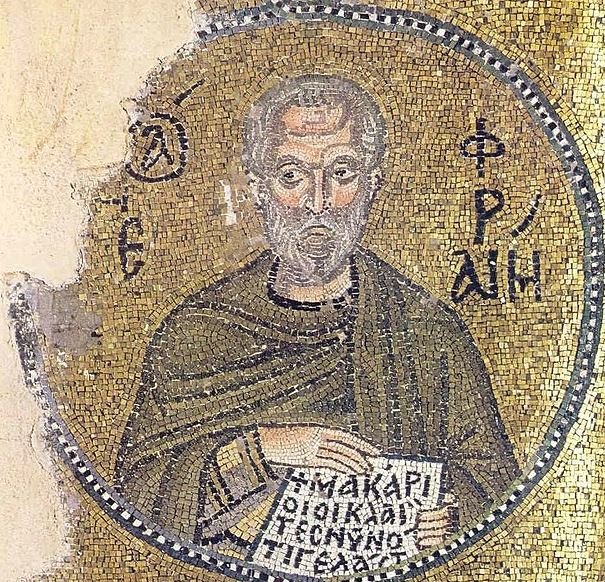
Image: Mosaic of Ephrem the Syrian
Isaac of Antioch and Isaac of Nineveh were influential theologians whose homilies and spiritual writings emphasized inner spirituality and the contemplative life. Their works continue to inspire Eastern Christian spirituality and mysticism, highlighting the depth and introspection of early Eastern Christian thought.
Desert Fathers: Pioneers of Monasticism
The Desert Fathers were early Christian hermits, monks, and ascetics who lived in the Egyptian desert from the 3rd to 5th centuries. Their lifestyles of solitude, prayer, and manual labor laid the groundwork for Christian monasticism, emphasizing personal spiritual growth and communal living.
Anthony the Great is often regarded as the father of monasticism. His life of asceticism and spiritual warfare became a model for future monastic practices, highlighting the importance of inner purification and detachment from worldly desires. Anthony’s teachings inspired countless individuals to pursue monastic life, fostering a tradition of spiritual discipline.
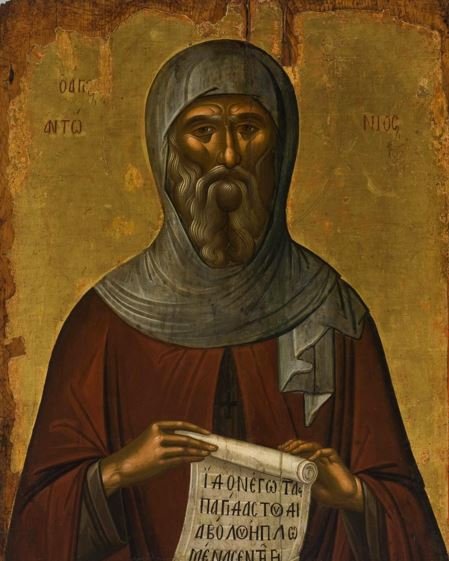
Image: Anthony the Great. Painting by Michael Damaskinos.
Paul of Thebes, known as the first Christian hermit, inspired others to seek solitude for spiritual growth. His interactions with other Desert Fathers highlighted the balance between individual asceticism and communal monastic life, demonstrating the benefits of both personal and communal spiritual practices.
Pachomius founded communal monasticism, establishing cenobitic monasteries where monks lived, worked, and prayed together under a common rule. His organizational innovations influenced the structure and governance of later monastic communities, promoting a disciplined and communal approach to monastic life.
Contributions to Doctrine and Theology
The Early Church Fathers were instrumental in formulating and clarifying core Christian doctrines. They engaged in extensive theological discourse to define the nature of God, Christ, the Holy Spirit, and the Trinity. Their
Role in Combating Heresies
A significant aspect of the Early Church Fathers’ legacy is their role in combating heretical movements that threatened the unity and doctrinal integrity of the Church. Heresies such as Arianism, Gnosticism, Nestorianism, and Monothelitism challenged orthodox Christian beliefs about the nature of Christ and the Trinity. The Fathers employed rigorous theological arguments, scriptural exegesis, and participation in ecumenical councils to defend orthodox doctrine. For example, Athanasius of Alexandria was a key opponent of Arianism, insisting on the consubstantiality of the Son with the Father. Similarly, Irenaeus of Lyons countered Gnostic teachings by emphasizing the importance of apostolic tradition and the unity of the canonical scriptures.
Development of Church Structure and Authority
The Early Church Fathers contributed significantly to the development of the Church’s hierarchical structure and the establishment of ecclesiastical authority. They articulated the roles of bishops, priests, and deacons, and emphasized the importance of episcopal authority in maintaining doctrinal unity and church discipline. Ignatius of Antioch’s letters, for instance, highlight the centrality of the bishop in local congregations, promoting a unified and authoritative leadership structure that would endure throughout the centuries.
Integration of Philosophy and Theology
Many Early Church Fathers engaged deeply with contemporary philosophical thought, integrating elements of Greek philosophy with Christian theology to articulate and defend their beliefs. Clement of Alexandria and Origen of Alexandria, for example, utilized Platonic and Neoplatonic concepts to explain and rationalize Christian doctrines. This synthesis of faith and reason not only made Christianity intellectually respectable in a Greco-Roman world but also provided a robust framework for theological exploration and development.
Liturgical and Sacramental Contributions
The Early Church Fathers played a crucial role in shaping Christian liturgical practices and sacramental theology. Their writings and teachings helped standardize rituals such as baptism, the Eucharist, and the liturgical calendar. John Chrysostom’s homilies and liturgical instructions influenced the structure and content of Christian worship services, emphasizing the importance of preaching, communal prayer, and the sacraments in the spiritual life of believers.
Scriptural Interpretation and Canon Formation
A pivotal contribution of the Early Church Fathers was their work in scriptural interpretation and the formation of the New Testament canon. They engaged in extensive exegesis to elucidate the meanings of biblical texts, often addressing divergent interpretations and combating heretical readings. Figures like Augustine of Hippo and Jerome were instrumental in the development and affirmation of the biblical canon, distinguishing authoritative texts from apocryphal writings. Their efforts ensured a cohesive and authoritative scriptural foundation for the Church.
Influence on Later Christian Traditions
The theological, doctrinal, and organizational foundations laid by the Early Church Fathers have had a lasting influence on subsequent Christian traditions. Their writings continue to be studied in theological education, shaping the doctrines and practices of Catholicism, Eastern Orthodoxy, and various Protestant denominations. The Fathers’ emphasis on tradition, reason, and communal authority has informed ongoing theological debates and the development of Christian thought throughout history.
Preservation and Transmission of Knowledge
The Early Church Fathers were instrumental in preserving and transmitting Christian knowledge and traditions through their extensive writings. Their letters, homilies, theological treatises, and biblical commentaries have been preserved in various collections, such as the Ante-Nicene Fathers and the Nicene and Post-Nicene Fathers. These compilations have ensured that the Fathers’ teachings remained accessible to future generations, providing a continuous link between the early Church and modern Christianity.
Legacy in Ecumenical Councils
The Early Church Fathers often participated in ecumenical councils, which were pivotal in resolving doctrinal disputes and establishing orthodox beliefs. Their involvement in councils like Nicaea, Ephesus, and Chalcedon helped define essential doctrines, such as the nature of Christ and the Trinity. The decisions and formulations from these councils, heavily influenced by the Fathers’ theological insights, became the bedrock of orthodox Christian belief and practice.
Spiritual and Ethical Teachings
Beyond doctrinal and organizational contributions, the Early Church Fathers provided profound spiritual and ethical teachings that guided the moral and spiritual lives of believers. Their writings often included exhortations to personal holiness, ethical behavior, and the pursuit of virtue. Figures like Basil the Great and Gregory of Nyssa emphasized the importance of love, charity, and the inner transformation of the believer, fostering a rich spiritual heritage that continues to inspire Christian spirituality today.
Monasticism and Ascetic Practices
The Early Church Fathers were pioneers in the development of monasticism and ascetic practices, which became integral to Christian life. The Desert Fathers, in particular, exemplified the values of solitude, prayer, and manual labor, setting a precedent for monastic communities. Their teachings and lifestyle choices influenced the establishment of monasteries, promoting a disciplined and communal approach to spiritual growth. Monasticism provided a refuge for theological reflection, charitable works, and the preservation of Christian teachings during times of turmoil and persecution.
Frequently Asked Questions
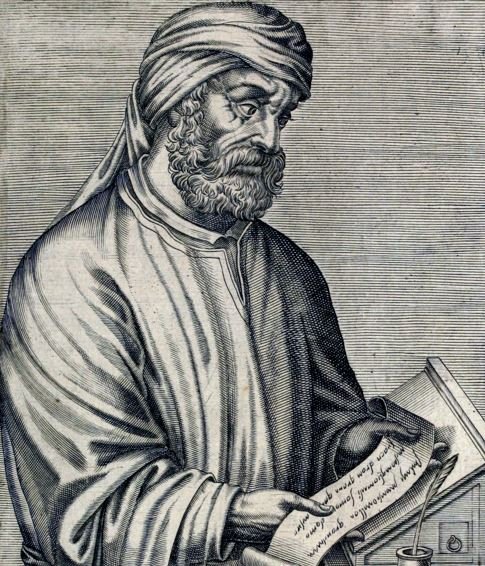
The era of the Early Church Fathers, also known as the Patristic Era, saw influential figures like Origen and Tertullian, who significantly shaped Christian theology, though some of their ideas were later rejected. Image: Portrait of Tertullian.
Who were the Apostolic Fathers and why are they significant in early Christianity?
The Apostolic Fathers were among the earliest Christian theologians who either personally knew the Twelve Apostles or were significantly influenced by them. Living during the 1st and 2nd centuries AD, their writings were crucial in shaping the doctrines, liturgies, and organizational structures of the early Church. Notable Apostolic Fathers include Clement of Rome, Ignatius of Antioch, and Polycarp of Smyrna.
What was the main contribution of Clement of Rome to early Christian theology?
Clement of Rome, also known as Pope Clement I, authored the First Epistle of Clement, the earliest extant epistle from a Church Father. This letter addressed the Christian community in Corinth, urging unity and order. Its widespread circulation and consideration in early church councils highlight its importance in establishing early Christian theological foundations.
How did Ignatius of Antioch influence early Christian ecclesiology?
Ignatius of Antioch, the third bishop of Antioch, wrote a series of letters en route to his martyrdom in Rome. These letters provide valuable insights into early Christian ecclesiology, sacraments, and the role of bishops. Ignatius emphasized the universal nature of the Church and the centrality of episcopal authority, which significantly shaped later Christian organizational structures.
What role did Polycarp of Smyrna play in the early Christian community?
Polycarp of Smyrna, a disciple of the Apostle John, was a prominent bishop known for his steadfast faith and martyrdom. He interacted with figures like Pope Anicetus and worked to harmonize differing liturgical practices, highlighting the complexities of early Christian unity. His courage and leadership exemplified the resilience of early Christians.
Who are considered the Greek Fathers and what was their impact on Christian doctrine?
The Greek Fathers were influential theologians and writers who composed their works in Greek, the lingua franca of the Eastern Mediterranean. They played a pivotal role in developing Christian doctrine, combating heresies, and integrating Greek philosophical thought with Christian theology. Notable Greek Fathers include Justin Martyr, Irenaeus of Lyons, Clement of Alexandria, Athanasius of Alexandria, the Cappadocian Fathers, John Chrysostom, and others.
What were Justin Martyr’s main contributions to Christian apologetics?
Justin Martyr was an early Christian apologist who defended Christianity against pagan criticisms. His works, such as First Apology and Dialogue with Trypho, articulated the concept of the Logos and laid the groundwork for later theological discourse. He sought to demonstrate the rationality and truth of Christian beliefs to both Roman authorities and Greek philosophers.
How did Irenaeus of Lyons combat Gnosticism in his writings?
Irenaeus of Lyons, a disciple of Polycarp, combated Gnosticism through his seminal work, Against Heresies. He emphasized the importance of apostolic tradition, the unity of the Old and New Testaments, and advocated for the canonical Gospels. His efforts were crucial in defining orthodox Christian theology and countering heretical teachings.
Who were the Cappadocian Fathers and what was their significance?
The Cappadocian Fathers—Basil the Great, Gregory of Nyssa, and Gregory of Nazianzus—were pivotal in defining the doctrine of the Trinity and combating various heretical views. Their collaborative efforts at theological councils and their profound writings significantly influenced both Eastern and Western Christianity, helping to solidify orthodox Trinitarian doctrine.
What is Jerome best known for in the context of the Latin Fathers?
Jerome, a prominent Latin Father, is best known for translating the Bible from Greek and Hebrew into Latin, producing the Vulgate. This translation played a crucial role in standardizing the biblical text used throughout Western Christianity. His extensive commentaries and theological works further established his legacy as a Doctor of the Church.
How did Augustine of Hippo shape Western Christian thought?
Augustine of Hippo was one of the most influential theologians in Western Christianity. His works, including Confessions and The City of God, addressed themes such as original sin, grace, and the nature of the Church. Augustine’s integration of Christian doctrine with Neoplatonic philosophy shaped Western theological and philosophical thought for centuries.
Who were the Syriac Fathers and what is their importance in Eastern Christian traditions?
The Syriac Fathers were theologians and writers who composed their works in Syriac, a dialect of Aramaic. They significantly influenced Eastern Christian traditions, including the Syriac Orthodox Church and the Church of the East. Notable Syriac Fathers include Aphrahat, Ephrem the Syrian, Isaac of Antioch, and Isaac of Nineveh, whose theological and hymnographic contributions remain integral to Syriac liturgy and spirituality.
What were the Desert Fathers and how did they contribute to Christian monasticism?
The Desert Fathers were early Christian hermits, monks, and ascetics who lived in the Egyptian desert from the 3rd to 5th centuries. Their lifestyles of solitude, prayer, and manual labor laid the groundwork for Christian monasticism. Key figures include Anthony the Great, Paul of Thebes, and Pachomius. Anthony is often regarded as the father of monasticism, Paul inspired others to seek solitude, and Pachomius founded communal monasticism, influencing the structure and governance of later monastic communities.
How do modern Christian traditions view the Church Fathers?
- Catholicism: Views the patristic era as concluded but honors post-patristic saints as Doctors of the Church. Values the writings of the early Fathers as part of Sacred Tradition alongside Scripture.
- Eastern Orthodoxy: Maintains that the era of the Church Fathers is ongoing, emphasizing the consensus of the Holy Fathers in defining doctrine and allowing for continuous theological development.
- Protestantism: Primarily adheres to sola scriptura but acknowledges the importance of the Church Fathers. Early reformers engaged with their writings, and modern seminaries often include patristic studies to support theological positions and biblical interpretation.