Egyptologist Michał Tyszkiewicz
Count Michał Tyszkiewicz (1828–1897) was a Polish-Lithuanian nobleman, antiquities collector, and early Egyptologist whose passion for ancient history and artifacts helped shape the study of Egyptian antiquities in Europe.
Born in Wołożyn, then part of the Polish-Lithuanian Commonwealth, Tyszkiewicz belonged to a prominent family with strong cultural and intellectual traditions. His interest in ancient cultures and his travels to Egypt led him to assemble one of the largest and most valuable private collections of Egyptian and Mediterranean artifacts in the 19th century.
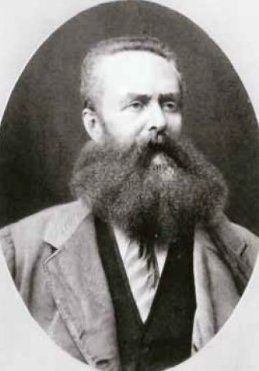
Egyptologist Michał Tyszkiewicz (c. 1850)
Early Life and Family Background
Michał Tyszkiewicz was born on December 4, 1828, into the influential Tyszkiewicz family, known for its legacy of supporting the arts and sciences. His upbringing in the intellectual and cultural environment of the Polish-Lithuanian nobility likely influenced his later pursuits in art and archaeology. This environment fostered a sense of curiosity and respect for historical heritage, fueling Tyszkiewicz’s lifelong passion for collecting antiquities and exploring the ancient world.
Interest in Antiquities and First Egyptian Expedition
Tyszkiewicz’s fascination with antiquities led him to study ancient history, which laid the groundwork for his future expeditions. His initial interest in Egyptology emerged as European exploration of Egypt was gaining popularity, especially following the Napoleonic campaign in Egypt (1798–1801) and the deciphering of the Rosetta Stone by Jean-François Champollion in 1822. Egyptology was becoming an increasingly respected field, and Tyszkiewicz joined the wave of explorers captivated by Egypt’s mysteries.
In 1861, Tyszkiewicz embarked on his first expedition to Egypt, where he began excavating sites near Luxor. This trip marked the beginning of his serious collecting career. He conducted excavations with a particular interest in preserving historical artifacts and was one of the few early explorers to actively participate in excavations rather than merely purchasing artifacts from dealers. His fieldwork was driven by both a personal commitment to discovery and a broader mission to expand European knowledge of ancient Egypt.
During this initial expedition, Tyszkiewicz collected a range of artifacts that included sculptures, pottery, jewelry, and religious objects. This collection laid the foundation for what would become an impressive assembly of Egyptian and Mediterranean artifacts. In addition to gathering objects, Tyszkiewicz’s work contributed to the documentation of Egyptian archaeological sites, and his discoveries helped establish his reputation as an antiquarian with a deep understanding of ancient cultures.
Second Expedition and Collection Expansion
Tyszkiewicz returned to Egypt for a second expedition in 1867–1868, furthering his interest in Egyptology and deepening his collection. By then, he had developed a solid understanding of excavation techniques and ancient Egyptian history, which allowed him to make more informed choices about what to excavate and collect. His second journey solidified his reputation as a serious collector and Egyptologist, as he gathered more artifacts and expanded his network of contacts within the field.
This second expedition yielded additional treasures, including statues, reliefs, and decorative items that reflected the art and religious practices of ancient Egyptian society. Tyszkiewicz’s collection soon gained prominence across Europe, drawing the attention of scholars and museum officials. His collection, known for its breadth and quality, was distinctive for including items that represented various periods and aspects of Egyptian civilization. Through his expeditions and collection, Tyszkiewicz played a role in popularizing ancient Egyptian art and culture in Europe, offering audiences a glimpse into Egypt’s rich heritage.
Distribution and Legacy of Tyszkiewicz’s Collection
Over the years, Tyszkiewicz’s collection became widely dispersed across Europe and the United States. After returning from his second expedition, he began donating and selling pieces of his collection to various museums and collectors. The artifacts he collected now reside in major institutions worldwide, including museums in Paris, London, Copenhagen, Berlin, Boston, Rome, and the National Museum in Warsaw, Poland. Some pieces were also kept at the Tyszkiewicz Palace in Lahojsk, Belarus.
The global distribution of his collection has made Tyszkiewicz a lasting figure in the history of Egyptology. By placing artifacts in multiple institutions, he ensured that the knowledge and appreciation of ancient Egyptian culture would reach a wide audience. This broad dispersal helped stimulate interest in Egyptology among European intellectuals, artists, and collectors, and his collection became an educational resource for the public.
One of Tyszkiewicz’s unique contributions was his emphasis on sharing Egypt’s heritage with a wider audience, rather than keeping his collection private. This choice reflects the broader trend among 19th-century collectors who saw themselves as stewards of culture and knowledge, responsible for preserving history for future generations. Tyszkiewicz’s collection continues to be a valuable source for Egyptologists and historians, preserving artifacts that provide insights into ancient Egyptian art, religion, and daily life.
Writings and Scholarly Contributions
In addition to his work as a collector, Tyszkiewicz documented his experiences and observations in two significant works. His first publication, Diary of a Journey to Egypt and Nubia, was released in Paris in 1863. This diary offered readers a firsthand account of his travels and discoveries, as well as detailed descriptions of the Egyptian landscape, customs, and local society. It provided a valuable 19th-century perspective on Egypt, contributing to the growing European fascination with the ancient world.
Tyszkiewicz’s second work, Memories of an Old Collector, was published posthumously in English in 1898. Translated by Mrs. Andrew Lang, this memoir presents his reflections on a lifetime of collecting, offering insights into the art market, his relationships with other collectors, and his approach to antiquities. Memories of an Old Collector is filled with anecdotes about his acquisitions, the challenges he faced, and his interactions with scholars and dealers. Through these writings, Tyszkiewicz not only shared his experiences but also provided a record of the methods, motivations, and networks of 19th-century antiquities collectors.
These works reveal Tyszkiewicz’s dedication to preserving and understanding ancient cultures and his genuine enthusiasm for exploring and collecting artifacts. His writings are invaluable for understanding the history of antiquities collecting, the development of Egyptology, and the ways in which European intellectuals engaged with ancient civilizations. His books remain respected sources of information on 19th-century exploration and antiquities collecting, offering unique perspectives on the practices and ethical considerations of the time.
Impact on Egyptology and Cultural Heritage
Count Michał Tyszkiewicz’s life and career reflect the intellectual curiosity and adventurous spirit of the 19th-century European elite, who were instrumental in developing archaeology and the public appreciation of ancient artifacts. His expeditions, collection, and writings helped lay the foundations of modern Egyptology, and his influence reached far beyond his immediate circle. Tyszkiewicz’s efforts contributed to the rise of Egyptology as a field of study, helping it become recognized and respected among European academics and the public.
By actively participating in excavations and sharing his discoveries, Tyszkiewicz inspired future generations of Egyptologists. His collection, now housed in major museums worldwide, continues to educate the public about ancient Egyptian art and culture. His commitment to sharing knowledge and preserving history aligned with the ideals of his time, when scholars and collectors saw themselves as stewards of cultural heritage.
Legacy and Ongoing Influence
Count Michał Tyszkiewicz’s legacy lives on in the museums that house his artifacts and in the field of Egyptology, which he helped shape. His dedication to collecting, preserving, and documenting artifacts has ensured that his discoveries remain accessible to scholars and the public alike. His dispersed collection allows institutions around the world to showcase Egypt’s cultural heritage, maintaining the awareness and appreciation of ancient civilizations.
Today, Tyszkiewicz’s contributions are recognized by historians and Egyptologists as integral to the 19th-century European tradition of exploration and cultural stewardship. His collection continues to attract visitors and scholars interested in the ancient world, and his writings provide context and insight into his work and the broader world of 19th-century antiquities collecting.
Through his expeditions, collections, and publications, Michał Tyszkiewicz left an indelible mark on Egyptology and the preservation of cultural heritage. His legacy reflects a commitment to exploration, preservation, and education, ensuring that future generations can connect with the rich history of ancient Egypt.
Frequently Asked Questions
Who was Count Michał Tyszkiewicz, and when was he born and died?
Count Michał Tyszkiewicz was a Polish-Lithuanian nobleman, antiquities collector, and early Egyptologist. He was born on December 4, 1828, in Wołożyn and died on November 18, 1897, in Rome.
What was Tyszkiewicz’s role in Egyptology?
He was an early Egyptologist who conducted major excavations in Egypt, particularly in Luxor, during the 1860s. He collected a vast array of Egyptian and Mediterranean artifacts, contributing significantly to European Egyptology.
When did Tyszkiewicz undertake his expeditions to Egypt, and what did he accomplish?
His first expedition took place from 1861 to 1862, and he returned to Egypt in 1867–1868. During these trips, he excavated artifacts and built one of the largest private collections of Egyptian antiquities.
Where can Tyszkiewicz’s collection be found today?
His collection is dispersed across museums in Lithuania, Paris, London, Copenhagen, Berlin, Boston, Rome, and Belarus. Some items are also held at the National Museum in Warsaw, Poland.
What are the titles of Tyszkiewicz’s written works?
Tyszkiewicz wrote Diary of a Journey to Egypt and Nubia (published in Paris, 1863) and Memories of an Old Collector, translated into English posthumously in 1898.
What is described in Tyszkiewicz’s Diary of a Journey to Egypt and Nubia?
This diary documents his travels and discoveries in Egypt, along with his observations on the Egyptian landscape, customs, and culture, offering a 19th-century perspective on the region.
What does Tyszkiewicz reflect on in Memories of an Old Collector?
In this memoir, Tyszkiewicz shares his passion for collecting, recounting stories about his acquisitions, experiences, and interactions with other collectors and scholars.
How did Tyszkiewicz’s work influence Egyptology and antiquities collecting?
His expeditions and writings laid groundwork for Egyptology, shaping museum collections and inspiring future collectors and historians in understanding ancient Egyptian culture.
What values did Tyszkiewicz’s life and work reflect about the 19th-century European elite?
His life demonstrated the intellectual curiosity and adventurous spirit of the era’s elite, who played a key role in developing archaeology and the public appreciation of ancient artifacts.
How does Tyszkiewicz’s legacy continue today?
His collections and writings are preserved in museums worldwide, offering valuable insights into the ancient world and the history of Egyptology, accessible to both scholars and the public.





