Finnish Composer Jean Sibelius
Jean Sibelius was a Finnish composer of the late Romantic and early modern periods, considered Finland’s greatest composer. His music played a key role in fostering Finnish national identity during times of Russian oppression.
Early Life and Education
Jean Sibelius, born Johan Julius Christian Sibelius on December 8, 1865, in Hämeenlinna (then part of the Russian Empire’s Grand Duchy of Finland), grew up in a Swedish-speaking family. His father, Christian Gustaf Sibelius, a medical doctor, passed away when Jean was just two years old, leaving the family in financial hardship. Raised in a predominantly female household, his uncle Pehr Ferdinand Sibelius became a significant male influence, fostering Jean’s early love for music, especially the violin.
Sibelius’s initial education was at a Finnish-speaking school, despite being a native Swedish speaker. His passion for music grew through piano lessons and self-guided exploration. By his teens, Sibelius had shifted focus from piano to violin and began composing. His early works, though amateurish, showed promise. In 1885, Sibelius enrolled at the Helsinki Music Institute, where he studied composition under Martin Wegelius. During this time, he developed close relationships with influential figures such as conductor Armas Järnefelt, whose sister, Aino, became Sibelius’s wife.
Sibelius furthered his education in Berlin (1889–1890) and Vienna (1890–1891), where he studied under Albert Becker and Robert Fuchs. Exposed to the works of Wagner, Bruckner, and Richard Strauss, Sibelius’s compositions began reflecting his fascination with Romanticism and Nordic mythology.
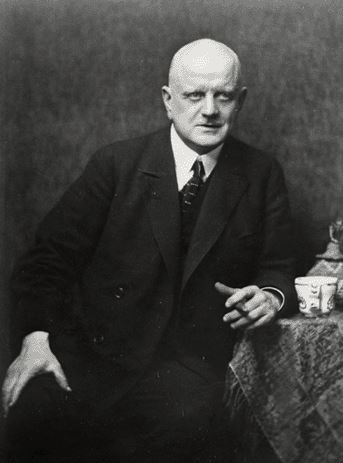
A 1923 picture of Jean Sibelius.
Rise to Prominence
Sibelius gained recognition with his orchestral work Kullervo (1892), based on the Finnish epic Kalevala. Its nationalistic themes resonated with audiences, establishing him as a cultural icon during a time of increasing Finnish resistance to Russification policies.
The Karelia Suite (1893) and Finlandia (1899) solidified Sibelius’s reputation as a nationalist composer. Finlandia, in particular, became a powerful symbol of Finland’s struggle for independence, with its stirring melodies inspiring both Finnish citizens and international audiences.
Major Works and Symphonies
The Seven Symphonies
Sibelius’s symphonies are considered the core of his oeuvre, each showcasing his evolving compositional style. His early symphonies, such as the First (1899) and Second (1902), are Romantic and nationalistic, while later symphonies, like the Sixth (1923) and Seventh (1924), display his mature, innovative approach to form and tonality. The Seventh Symphony, a one-movement masterpiece, is celebrated for its organic development and cohesive structure.
Tone Poems and Incidental Music
Sibelius composed numerous tone poems inspired by nature and Finnish mythology. Works like The Swan of Tuonela and Tapiola illustrate his ability to evoke landscapes and legends through music. Additionally, he wrote incidental music for plays, including The Tempest (1926), blending his distinct orchestral style with theatrical storytelling.
The Violin Concerto
Sibelius’s Violin Concerto (1904, revised 1905) is among his most enduring works. Renowned for its lyrical beauty and technical demands, it remains a staple of the violin repertoire.
Personal Life and Struggles
In 1892, Sibelius married Aino Järnefelt, who provided unwavering support throughout his career. They had six daughters and moved to Ainola, a lakeside home in Järvenpää, in 1904. Ainola became a sanctuary for Sibelius, offering inspiration for many of his works.
Despite his success, Sibelius often faced financial instability due to his lavish lifestyle and periods of heavy drinking. Health challenges, including throat cancer in 1907, forced him to moderate his habits, though he continued to struggle with alcohol throughout his life.
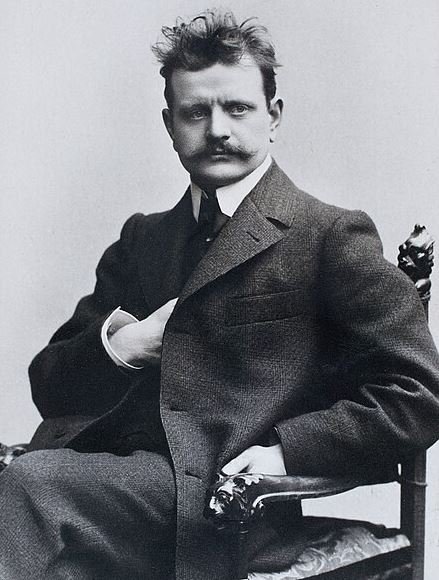
A youthful photo of Jean Sibelius.
The “Silence of Järvenpää”
After completing his Seventh Symphony and Tapiola in the mid-1920s, Sibelius entered a creative decline. Known as the “Silence of Järvenpää,” this period saw him abandon numerous projects, including a highly anticipated Eighth Symphony. While he composed smaller works and revised earlier pieces, no major compositions emerged in his final three decades.
Legacy of the Eighth Symphony
Although fragments of the Eighth Symphony have surfaced, Sibelius reportedly destroyed much of the manuscript, feeling that it did not meet his high standards. This act remains a topic of fascination and debate among scholars.
Legacy and National Significance
Sibelius’s music played a pivotal role in shaping Finland’s national identity during its fight for independence. His works, deeply rooted in Finnish culture and landscapes, continue to resonate as symbols of resilience and pride.
Through his life and works, Sibelius not only shaped the musical landscape of Finland but also left an indelible mark on the global classical tradition.
Throughout his life, Sibelius received numerous accolades, including honorary doctorates and international tributes. His 90th birthday in 1955 was celebrated with concerts worldwide, reaffirming his status as one of the 20th century’s greatest composers.
In Finland, December 8 is celebrated as the Day of Finnish Music, honoring Sibelius’s contributions. Monuments such as the Sibelius Monument in Helsinki and the Sibelius Hall in Lahti commemorate his legacy.
Influence and Reception
Sibelius’s influence extends far beyond Finland. His symphonies inspired composers like Vaughan Williams and Walton, while his tone poems influenced film scores and contemporary orchestral music. Despite initial criticism from figures like Theodor Adorno, Sibelius is now widely regarded as a master of symphonic form.
Final Years and Death
Sibelius spent his later years in relative seclusion at Ainola, enjoying nature and reflecting on his career. Though he remained engaged with music, his compositional silence puzzled contemporaries and scholars alike.
Jean Sibelius passed away on September 20, 1957, at the age of 91. He received a state funeral and was buried in the garden of Ainola, where his wife Aino later joined him.
Jean Sibelius remains an enduring figure in classical music, celebrated for his symphonies, tone poems, and contributions to Finnish cultural identity. His ability to evoke the natural world and transform national pride into timeless music ensures his legacy as one of the greatest composers of the 20th century.
Frequently Asked Questions
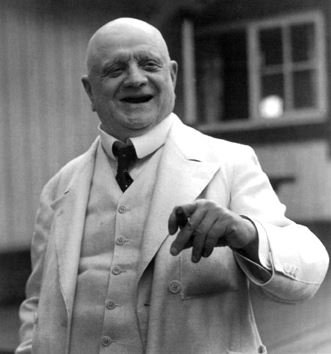
A 1939 photo of Sibelius.
What are his most famous works?
Sibelius is best known for his seven symphonies, Finlandia, The Karelia Suite, The Swan of Tuonela, Valse triste, and his Violin Concerto. Many of his compositions draw inspiration from Finnish nature, mythology, and the national epic, the Kalevala.
Why is Sibelius significant to Finland?
Sibelius’s music, such as Finlandia, became symbols of Finnish resistance during attempts at Russification in the late 19th century. His work helped shape a strong cultural identity for Finland.
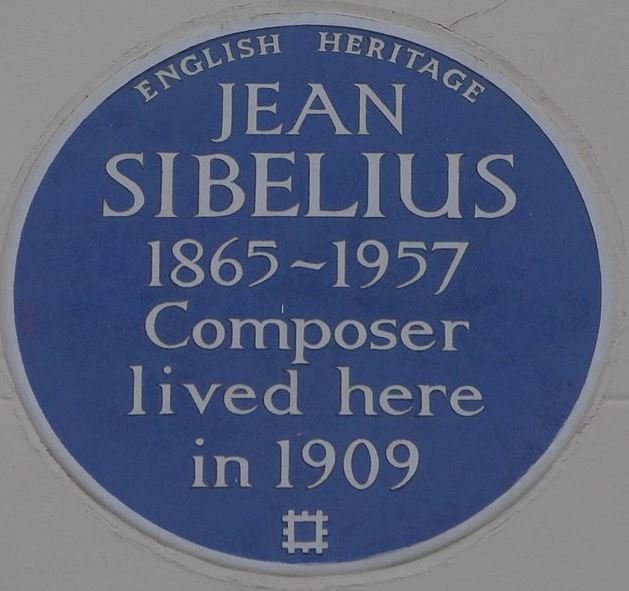
A blue plaque, indicating Sibelius’ residence at 15 Gloucester Walk in Kensington, London.
What is the “silence of Järvenpää”?
After completing his Seventh Symphony in 1924 and Tapiola in 1926, Sibelius ceased composing major works for the remaining 30 years of his life. This prolonged period of creative silence remains a subject of fascination and speculation.
What role did nature play in his music?
Sibelius was deeply inspired by the Finnish landscape. Works like Tapiola and The Swan of Tuonela reflect his connection to nature, with themes of forests, lakes, and mythical spirits.
What is Finlandia Day?
Since 2011, Finland has celebrated 8 December, Sibelius’s birthday, as a flag flying day known as the “Day of Finnish Music,” honoring his contributions to the country’s cultural heritage.
What are the key features of his symphonies?
Sibelius’s symphonies are known for their organic development, economy of material, and integration of thematic elements. His works stand in contrast to Gustav Mahler’s more expansive and diverse symphonic style.