What was Babeuf’s Conspiracy of the Equals?
The Conspiracy of the Equals, known in French as Conjuration des Égaux, was a failed coup d’état in May 1796 during the tumultuous period of the French Revolution. Led by François-Noël Babeuf, the movement aimed to overthrow the ruling Directory and establish a proto-socialist republic rooted in egalitarian ideals. This ambitious yet short-lived attempt has left an indelible mark on revolutionary history.
Background: Social and Economic Turmoil
The Conspiracy arose in the context of profound economic and social distress. The Directory government faced an escalating crisis due to its decision to end the system of providing subsidized bread and meat to the people of Paris. Scheduled for cessation on February 20, 1796, this decision caused widespread panic among workers, the urban proletariat, and government officials whose incomes, tied to unstable assignats, were insufficient to meet basic needs. Although the Directory backtracked under public pressure, its efforts to alleviate the crisis, such as introducing relief classifications, only deepened public discontent.
This widespread misery created fertile ground for Babeuf’s ideas. His fiery denunciations of the Directory’s policies resonated with the masses, particularly among the unemployed and underprivileged. Babeuf formed a revolutionary circle known as the Société des Égaux (Society of Equals), which absorbed remnants of the Jacobin Club. From his base at the Panthéon, he preached insurrection and the adoption of the radical Constitution of 1793.
Key Figures and Organization
Babeuf’s vision was supported by seven prominent collaborators:
- Philippe Buonarroti – The ideological backbone of the movement, Buonarroti believed in collective action and the abolition of private property.
- Augustin Alexandre Darthé – A staunch supporter of revolutionary action.
- Sylvain Maréchal – Author of the Manifesto of Equals, which articulated the movement’s goals.
- Félix Lepeletier
- Pierre-Antoine Antonelle
- Jean Antoine Rossignol – A key organizer of revolutionary agents in Paris.
- Georges Grisel – An informer who ultimately betrayed the conspiracy.
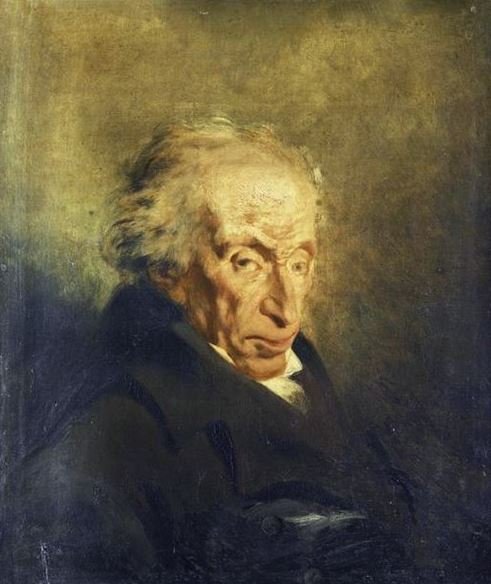
Philippe Buonarroti’s portrait by French painter Philippe-Auguste Jeanron.
Buonarroti, in particular, played a significant role in developing the movement’s theoretical foundation. His works, such as L’analyse de la Doctrine de Babouf, underscored his commitment to equality and collaborative social reforms. Despite his later imprisonment, Buonarroti’s ideas would influence subsequent revolutionary movements across Europe.
Ideas and Goals of the Conspiracy
The Conspiracy of the Equals aimed to establish absolute equality through revolutionary means. Babeuf and his allies sought to complete the unfinished work of the French Revolution by redistributing land, abolishing private property, and ensuring equal access to resources. Their vision was encapsulated in the Manifesto of Equals (1796), written by Maréchal.
Core Principles:
- Collectivization – Land and means of production would be communal, eradicating economic inequality.
- Abolition of Private Property – Private ownership was deemed the root of civil dissension and poverty.
- Enforcement of the Constitution of Year 1 (1793) – This radical yet unimplemented document symbolized the revolutionary ideals of equality and fraternity.
The Manifesto explicitly denounced the bourgeoisie, who had reaped the Revolution’s benefits at the expense of the common people. It declared: “We aspire to live and die equal, the way we were born: we want real equality or death.” However, the manifesto’s exclusion of colonial slaves and its narrow focus on the French population revealed its ideological limitations.
Growth and Challenges
Initially, the Directory tolerated Babeuf’s activities, believing that his radicalism would deter public support for royalist movements. However, as the economic crisis deepened, Babeuf’s influence grew. Following the closure of the Panthéon club in February 1796, Babeuf intensified his efforts by publishing the clandestine paper L’Éclaireur du Peuple. His calls for action resonated with the struggling masses, particularly workers and soldiers.
Babeuf’s movement gained further traction when propaganda, such as his song Mourant de faim, mourant de froid (“Dying of Hunger, Dying of Cold”), spread through the streets and cafés of Paris. Revolutionary fervor even began to infiltrate the ranks of the French Revolutionary Army, raising fears of a military insurrection.
Led by François-Noël Babeuf and supported by a cadre of committed revolutionaries, the Conspiracy of the Equals sought to transform France into a society of absolute equality.
Despite this growing momentum, the Conspiracy faced significant internal and external challenges. Many members of the Jacobin Club, for instance, dismissed Babeuf and his associates as extremists. Furthermore, the movement’s radical rhetoric alienated some potential supporters who were wary of its “bloodthirsty” undertones.
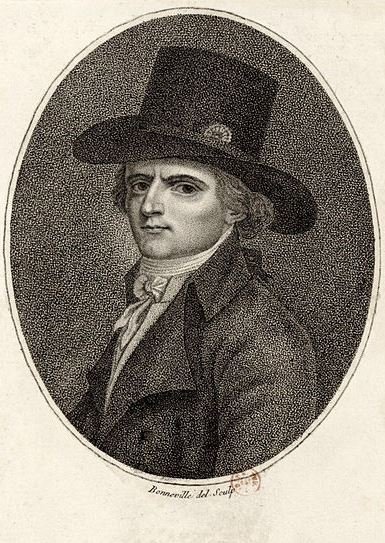
A portrait of François-Noël Babeuf.
Crackdown and Trial
The movement unraveled due to betrayal and government repression. Georges Grisel, a member of the inner circle, revealed the conspiracy to the police. Armed with detailed intelligence, the Directory moved swiftly to suppress the insurrection. On May 10, 1796, Babeuf and key leaders, including Buonarroti and Darthé, were arrested. A planned uprising at the military camp of Grenelle failed to materialize, as the Directory had already disarmed and disbanded potentially sympathetic troops.
The government issued 245 arrest warrants, effectively dismantling the movement’s leadership. Babeuf and Darthé were charged with treason and faced trial before the high court of justice at Vendôme. Despite attempts to incite further unrest, such as circulating revolutionary decrees, the conspiracy’s momentum had been irreparably damaged.
Although the Directory crushed the conspiracy, its ideas lived on, influencing the development of socialism and communism in the centuries to come.
The trial, which began in February 1797, lasted two months. The government portrayed Babeuf as the central figure of the conspiracy, capitalizing on his vanity and inflammatory rhetoric. On May 26, 1797, Babeuf and Darthé were sentenced to death. Both attempted suicide but were ultimately guillotined the following day. Other conspirators faced varying fates, with Buonarroti and several others deported, while some, like Vadier, were acquitted.
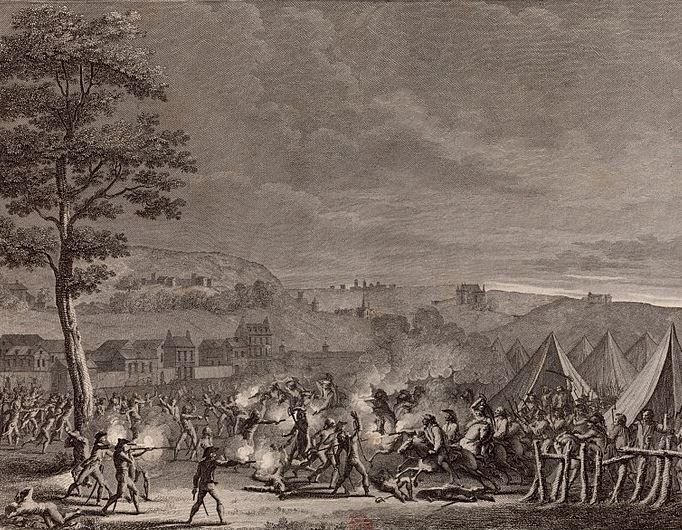
A portrayal of the unrest within the military camp of Grenelle.
Legacy and Influence
Although the Conspiracy of the Equals failed, its impact on revolutionary thought was profound. The publication of Buonarroti’s Conspiracy of Equals in 1828 ensured the movement’s place in history, inspiring later socialist and communist ideologies. Karl Marx and Friedrich Engels viewed Babeuf as a precursor to modern communism, with Engels describing the conspiracy as “the first appearance of a truly active Communist party.”
Key Contributions to Revolutionary Thought:
- Critique of Property Rights – Babeuf’s denunciation of private property as a source of inequality resonated with later thinkers such as Pierre-Joseph Proudhon, who famously declared, “Property is theft!”
- Focus on Real Equality – The Conspiracy emphasized material equality over the abstract legal equality championed by the French Revolution.
- Legacy of Leftist Movements – The Conspiracy established a distinct tradition of radical leftism in France, emphasizing collective ownership and social justice.
Frequently asked questions
Why did the conspiracy emerge?
The Directory’s economic reforms, including ending subsidized bread and meat, caused widespread misery among workers, officials, and rentiers, fueling discontent that Babeuf leveraged to promote his radical ideas.
What were the key goals of the conspiracy?
The conspirators sought absolute equality, collectivization of land and production, the abolition of private property, and enforcement of the 1793 Constitution, which emphasized socio-economic equality.
What role did the Manifesto of Equals play?
Written by Sylvain Maréchal, the manifesto demanded radical social reforms, denounced the privileged bourgeoisie, and emphasized communal ownership and equal access to resources.
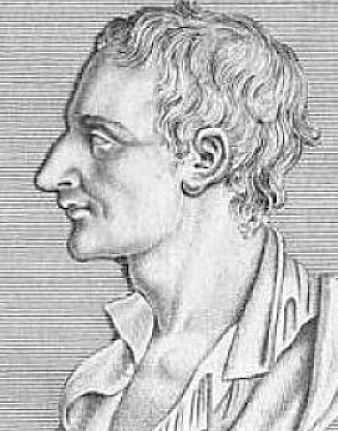
Portrait of Sylvain Maréchal.
How did the conspiracy gain traction?
Economic crises, government failures, and Babeuf’s propaganda attracted support from proletarians and disaffected soldiers, despite opposition from the Directory and moderate Jacobins.
What led to the conspiracy’s failure?
Georges Grisel, a conspirator-turned-informant, exposed the plans to the Directory, which preemptively arrested key leaders, suppressed uprisings, and dismantled their network.
What happened to Babeuf and his followers?
Babeuf and Augustin Darthé were executed in 1797 after a trial. Other leaders like Philippe Buonarroti were deported or acquitted, and the movement was crushed.