Hasmonean Dynasty
The Hasmonean dynasty (c. 140 BCE to 37 BCE) emerged during the Hellenistic period of Judea’s Second Temple era. It evolved from semi-autonomous rule under the Seleucid Empire into an independent Jewish kingdom. Known for its military successes, territorial expansion, and ultimate decline under Roman influence, the dynasty played a pivotal role in Jewish history.

Coinage of John Hyrcanus.
Origins and Early History
The dynasty’s roots lie in the Maccabean Revolt (167–141 BCE) against Seleucid oppression. The revolt was led by Judas Maccabeus and his brothers, including Simon Thassi, who established the dynasty in 141 BCE. The revolt was a reaction to the Hellenization policies and desecration of the Temple by Antiochus IV Epiphanes.
Simon became the first ruler, attaining semi-autonomy for Judea under Seleucid suzerainty. His leadership stabilized the region, and he was recognized as both High Priest and Ethnarch.

The map of the Hasmonean Dynasty during the time of John Hyrcanus
Expansion and Independence
John Hyrcanus I (134–104 BCE), Simon’s son, expanded Hasmonean territory by conquering regions like Samaria, Idumea, and Perea. He also enforced Jewish customs, including circumcision, on conquered populations.
Aristobulus I declared himself king in 104 BCE, marking the transition from Ethnarch to monarchy. His successor, Alexander Jannaeus (103–76 BCE), expanded the kingdom further, including Galilee and Iturea, while also consolidating power amidst internal dissent.
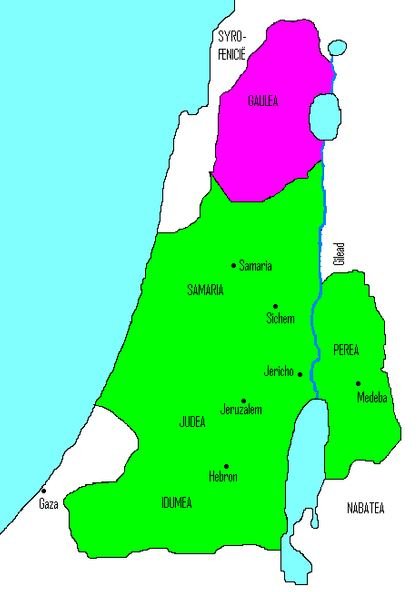
A map showing the Hasmonean Kingdom during Aristobulus I’s reign.
Religious and Political Challenges
The Hasmonean rulers, despite their Jewish heritage, adopted Hellenistic customs, causing tension among traditional Jews. This period saw heightened conflict between the Pharisees (traditionalists) and Sadducees (Hellenized elite), further complicating governance.
The dynasty’s policies, such as forced conversions of Idumeans, showcased the blending of religious zeal and political strategy. These actions were controversial and contributed to internal unrest.
Roman Intervention and Decline
The dynasty’s decline began with a civil war between Hyrcanus II and Aristobulus II. This internal conflict invited Roman intervention, as both factions sought support from Pompey the Great.
In 63 BCE, Pompey intervened, capturing Jerusalem and ending Jewish independence. Judea became a client state, and Hyrcanus II was restored as High Priest under Roman oversight.
The End of the Hasmonean Dynasty
Antipater the Idumean, a key ally of Rome, manipulated the weakened Hasmonean rulers. His son, Herod the Great, was appointed King of Judea in 37 BCE, effectively ending the Hasmonean dynasty. Herod attempted to legitimize his rule by marrying Mariamne, a Hasmonean princess.
The remaining Hasmoneans faced executions under Herod’s rule due to perceived threats to his authority. This marked the dynasty’s definitive end.

Portrait of John Hyrcanus.
Legacy
The Hasmonean period significantly shaped Jewish identity. Their enforcement of Jewish laws, coupled with the rejection of idolatry on coinage, reflected a commitment to religious tradition, despite their Hellenistic influences.
The dynasty’s rise and fall illustrate the challenges of balancing religious ideals with political ambitions. Their eventual decline underscored the dangers of internal divisions and external alliances.
The Hasmoneans are celebrated during Hanukkah, commemorating the rededication of the Temple after the Maccabean Revolt. Their story remains a symbol of resistance and perseverance in Jewish history.
Frequently Asked Questions

Who founded the Hasmonean dynasty?
Simon Thassi established the dynasty in 141 BCE following the successes of his brother Judas Maccabeus during the Maccabean Revolt against Seleucid rule.

Map of the Hasmonean Kingdom during Alexander Jannaeus’ era.
How did the Hasmoneans gain independence?
The weakening of the Seleucid Empire allowed John Hyrcanus I to expand territory and consolidate power, making Judea independent by 110 BCE.
What led to the decline of Hasmonean power?
Internal civil wars, such as between Hyrcanus II and Aristobulus II, and Roman intervention in 63 BCE, turned the kingdom into a client state. The dynasty ended when Herod the Great replaced the last Hasmonean ruler in 37 BCE.

Portrait of Aristobulus I.
What role did the Romans play in Hasmonean affairs?
The Roman Republic intervened during the Hasmonean Civil War, supporting weaker rulers like Hyrcanus II to secure control over Judea, eventually annexing it as a client state.
What was the significance of the Maccabean Revolt?
The revolt, led by Judas Maccabeus, reasserted Jewish religious freedom, resulting in the rededication of the Second Temple and the establishment of the Hanukkah tradition.
What impact did Hellenization have on the Hasmoneans?
Early Hasmoneans resisted Hellenistic influence, but later rulers adopted Greek titles and culture, creating tension with traditionalist Jews.





