Cuetlajuchitlán: A Mesoamerican Archaeological Site in Mexico
Cuetlajuchitlán is a fascinating Mesoamerican archaeological site, located 3 kilometers southeast of Paso Morelos in the northeast of Guerrero, Mexico. Its discovery in 1991 during the construction of the Cuernavaca-Acapulco highway brought to light one of the most significant pre-Hispanic population centers of the region. The site represents an essential piece of the Mezcala culture and highlights the ingenuity of ancient communities with its architectural advancements and historical significance.
Discovery and Location
Cuetlajuchitlán was unearthed during the construction of the Los Querendes tunnel, which runs 50 meters below the site. Spanning about 34 hectares, the explored area remains limited to about two hectares. Situated on a limestone hill, this site exemplifies settlements from the late preclassical period in the Rio Balsas region, serving as an important node of the Mezcala culture.
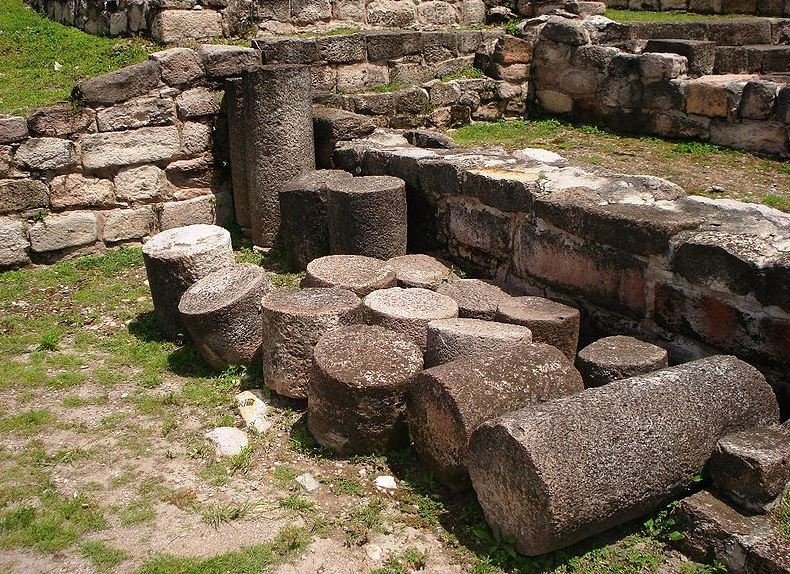
Stone cylinders at the Cuetlajuchitlán archaeological site.
Historical Significance
The development of Cuetlajuchitlán occurred between 800 BCE and 300 CE, a span of about 900 years. It showcases the evolution of Mesoamerican settlements from small villages to complex architectural centers. The site’s cultural significance is heightened by its connection to the Mezcala culture, characterized by distinctive stonework, columnar architecture, and advanced drainage systems.
The site demonstrates a transition from Olmec influence in the mid-preclassical period (800-1000 BCE) to a distinctly Mezcala culture by the late preclassical period (200 BCE–200 CE). This evolution underscores its role as a cultural and architectural hub during its peak.
Toponymy and Etymology
The name “Cuetlajuchitlán” is derived from Nahuatl, translating to “Place of Red Flowers” or “Withered Place.” The reference to “red flowers” might allude to the native poinsettia plant, symbolizing the region’s natural heritage. The original settlement’s name was retained for the archaeological site, reflecting its historical roots.
Stages of Development
First Stage (800–600 BCE)
The earliest remains suggest the site began as a small village, with leveling platforms and housing foundations made of limestone. Artifacts such as figurines and pots hint at the modest lifestyle of its inhabitants, who likely depended on larger settlements along the Balsas River.
Second Stage (200 BCE–200 CE)
This stage marked the peak of Cuetlajuchitlán’s development. The construction of limestone columns and walls, along with the proliferation of ceramics and sculptures, indicates significant growth. The discovery of tuff-carved sculptures and refined architectural elements from this period suggests thriving artistic and cultural activity.
Third Stage (200–300 CE)
The final stage saw the reuse of construction materials from earlier phases. Buildings became more elaborate, with pink limestone walls characteristic of the Mezcala style. However, by 300 CE, the site began to decline and was eventually abandoned.
Architectural Layout
Cuetlajuchitlán boasts a sophisticated architectural layout, including stone slab streets, expansive platforms, sunken patios, and specialized spaces. The site demonstrates a clear hierarchy, with evidence of elite groups residing in well-structured complexes and overseeing communal, ceremonial, and public activities.
Key Features
- Stone Slab Streets: Pathways connecting various parts of the settlement.
- Drainage Systems: Ingenious designs for managing water, integral to the site’s infrastructure.
- Storage Areas: Underground constructions for preserving grain, food, or crafts.
Significant Structures
Ceremonial Enclosure 1
The main structure, measuring 28 by 18 meters, includes a large platform, a sunken patio, and walls made of limestone blocks. Two pink stone tubs, believed to have been used for ritual baths, were discovered here. A nearby temazcal (steam bath) further highlights its ceremonial importance.
Ceremonial Enclosure 2
This smaller structure, located southeast of the main enclosure, features two pink stone tubs reused in later constructions. The area also served as a workshop for carving stone blocks, underscoring the community’s resourcefulness.
Residential Complexes
Elite housing complexes on the hill’s northern, southern, and western slopes were equipped with patios, drainage systems, water tanks, and storage areas. These structures reflect the privileged lifestyle of the site’s ruling class.
Complex 8
Situated 200 meters from the primary explored area, Complex 8 consists of a central platform surrounded by housing units. Each unit had water tanks and channels, and the central platform likely hosted the residence of an elite figure.
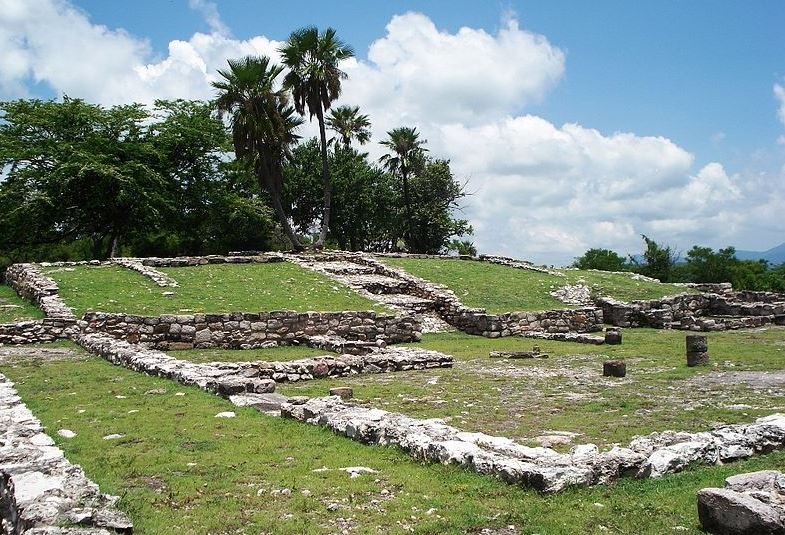
Complex 8 of the Cuetlajuchitlán archaeological site.
Specialized Areas
Underground storage areas with limestone walls and slab floors were used to preserve food, grain, or other goods. The presence of numerous ceramic fragments suggests these spaces played a crucial role in daily life and trade.
Evidence of workshops for crafting stone columns and pink limestone blocks reveals a skilled artisan class. These workshops contributed to the site’s architectural grandeur.
Access and Exploration
Cuetlajuchitlán is accessible via Kilometer 188 of the Cuernavaca-Acapulco highway, near Paso Morelos. Visitors can explore the site Tuesday through Sunday, from 10:00 AM to 5:00 PM. Though much of the site remains unexcavated, the areas currently open to the public offer a glimpse into its historical significance.
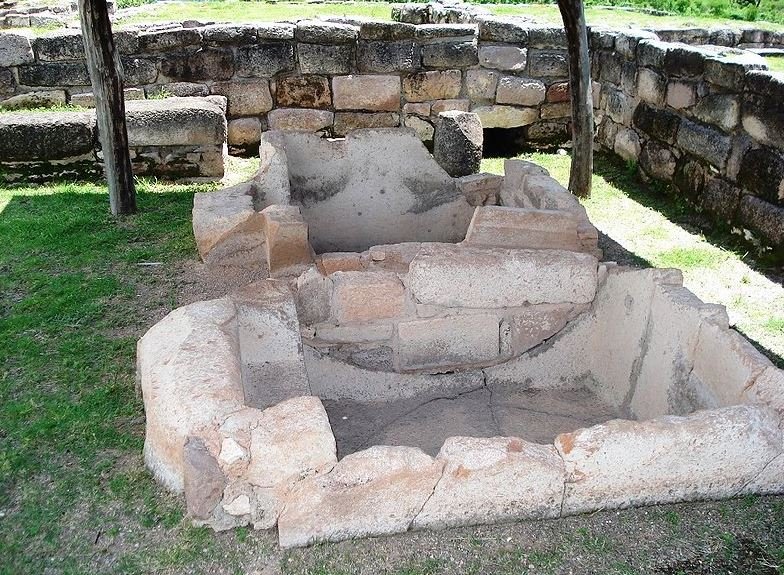
Ceremonial Enclosure 1 of the site.
Other Archaeological Sites in the Municipality
Cerro de Huashocote
Located to the north, this site features rock carvings that provide insight into the region’s cultural history.
Tlaxmalac
To the west lies a notable carved rock with a human head, a testament to the artistry of its ancient inhabitants.
Barrio Cantón
Excavations here unearthed numerous ceramic and stone artifacts in pristine condition, shedding light on the local craftsmanship.
La Maroma
Situated to the southeast, La Maroma yielded ceramic idols and jade mask fragments, further emphasizing the region’s rich cultural legacy.
Frequently Asked Questions
When and how was Cuetlajuchitlán discovered?
The site was discovered in 1991 during construction of the Cuernavaca-Acapulco highway, which now runs beneath the site via the Los Querendes tunnel.
What does the name Cuetlajuchitlán mean?
The name, derived from Nahuatl, translates to “Place of red flowers” or “Withered place,” possibly referencing the poinsettia flower native to the region.
What were the three construction stages of Cuetlajuchitlán?
- First Stage (800-600 BCE): Small village with basic limestone platforms and Olmec-influenced artifacts.
- Second Stage (200 BCE-200 CE): Peak development with abundant ceramics, stone columns, and architectural expansion.
- Third Stage (200-300 CE): Continued construction with reused materials, leading to the site’s eventual decline..





