History and Major Facts about the Gothic War (535 – 554)
The Gothic War (535-554 AD), fought between the Byzantine Empire and the Ostrogothic Kingdom of Italy, was a pivotal conflict that shaped the political landscape of early medieval Europe. The war was part of Emperor Justinian I’s ambitious campaign to reclaim the territories of the former Western Roman Empire and was characterized by a series of intense battles, prolonged sieges, and significant shifts in power.
Background and Causes
The roots of the Gothic War can be traced back to the broader context of the decline of the Western Roman Empire in the 5th century, which saw various Germanic tribes, including the Goths, establishing kingdoms in Roman territories. The Ostrogoths, led by Theodoric the Great, had settled in Italy after the decline of Roman authority, establishing a kingdom with Ravenna as its capital.
By the mid-6th century, the Eastern Roman Empire, known as the Byzantine Empire, had retained its strength and was looking to reassert control over the lands lost in the West. Emperor Justinian I, ruling from Constantinople, saw an opportunity to restore Roman hegemony over the Mediterranean. The death of Theodoric and subsequent internal divisions within the Ostrogothic Kingdom provided Justinian with a pretext to launch a military campaign.
Initial Phases
The Gothic War officially began in 535 when Justinian dispatched his general, Belisarius, to Sicily, which was quickly conquered. The campaign then moved to the Italian mainland in early 536, with Naples and Rome capitulating to Byzantine forces by the end of the year. The initial success was swift, owing to the strategic military tactics employed by Belisarius and the element of surprise.
Siege of Rome
One of the most critical and dramatic episodes of the war was the Siege of Rome in 537-538, where Belisarius defended the city against a massive Ostrogothic force led by King Vitiges. Despite being heavily outnumbered, Belisarius managed to hold Rome for over a year, thanks to his ingenious defensive strategies and the resilience of his troops. This siege demonstrated the military genius of Belisarius and significantly weakened the Ostrogothic resolve.
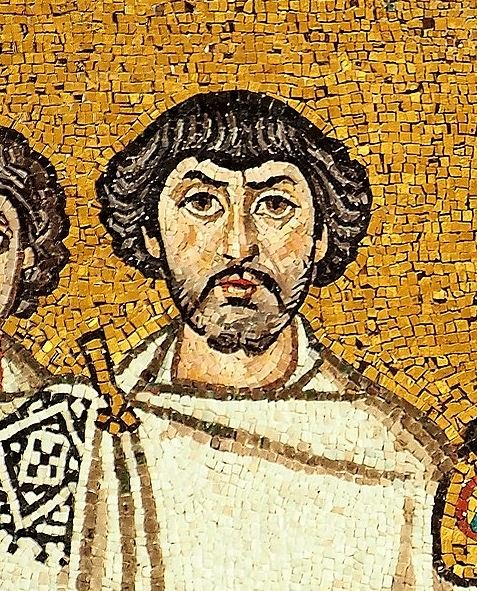
Image: An artwork portraying Belisarius.
Ostrogothic Counteroffensives
The tide of the war shifted several times. After the initial Byzantine successes, the Goths regrouped and launched several counteroffensives between 538 and 540, recapturing much of the territory, including Milan and much of Northern Italy. The Byzantine forces were stretched thin, and logistical challenges compounded their difficulties.
Arrival of Narses
The complexity of the war escalated with the arrival of Narses, another of Justinian’s trusted generals, in 551. Unlike Belisarius, Narses brought a different strategic approach to the conflict. In 552, at the Battle of Taginae (also known as the Battle of Busta Gallorum), Narses decisively defeated the Ostrogothic army, which led to the death of their king, Totila. This battle was crucial as it marked a turning point, significantly diminishing the Gothic threat.
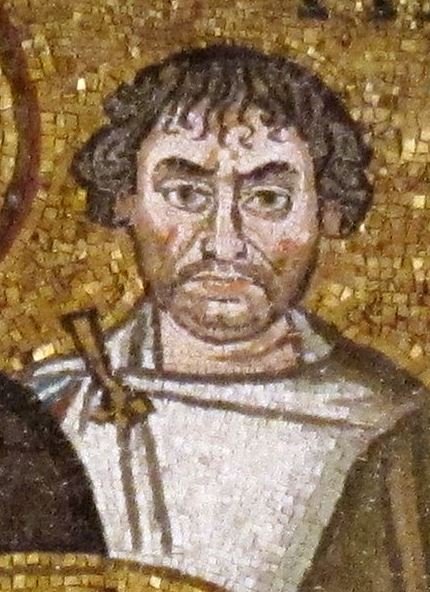
The Gothic War was a defining moment in the history of the Byzantine Empire and the Italian Peninsula. It showcased the ambitions and limitations of imperial power, the brilliance of military leaders like Belisarius and Narses, and the tragic devastation that such protracted conflicts can inflict on a civilization. Image: Mosaic work depicting Narses.
The War’s Conclusion and Aftermath
The final blow to the Ostrogothic resistance came with the fall of their last stronghold at Mons Lactarius later in 552, following which minor skirmishes continued until 554. The official end of the Gothic War was marked by the death of Teia, the last Ostrogothic king, and the issuance of a new legal code by Justinian to restore Roman administration in Italy.
The war had devastating effects on Italy; the prolonged conflict resulted in widespread destruction, depopulation, and economic decline. Although Justinian succeeded in reclaiming Italy, the victory was pyrrhic. The Byzantine Empire was financially drained, and its military overstretched. Moreover, just a few years after the war, the Lombards invaded Italy in 568, taking advantage of the weakened state of the peninsula and establishing a new kingdom.

Despite the apparent military success, the Byzantines’ victory was largely pyrrhic. The empire was exhausted financially and militarily, which impaired its ability to defend against new threats. This vulnerability was starkly demonstrated in 568 when the Lombards invaded Italy. Image: Justinian I.
Legacy of the Gothic War
The Gothic War is remembered not only for its military engagements but also for its significant impact on the cultural and political fabric of Italy. It marked the definitive end of Ostrogothic rule and paved the way for subsequent Lombard domination. The war also exemplified Justinian’s vision of restoring the Roman Empire’s glory, though this would ultimately prove unsustainable.
Moreover, the war influenced Byzantine military tactics and highlighted the empire’s logistical and strategic capabilities and challenges. The detailed accounts of Procopius, who chronicled the war, provide invaluable insights into the period’s military history and Justinian’s imperial policies.
FAQs
These questions encapsulate the key aspects of the Gothic War, emphasizing its causes, major events, outcomes, and broader historical implications.
What was the Gothic War and when did it occur?
The Gothic War was a significant military conflict that took place from 535 to 554 AD between the Byzantine Empire under Emperor Justinian I and the Ostrogothic Kingdom of Italy. The war extended across the Italian Peninsula, Dalmatia, and the islands of Sardinia, Sicily, and Corsica.

Image: A map showing the regions where the The Gothic War took place.
What triggered the Gothic War?
The Gothic War was initiated by Justinian I’s ambition to restore the territories of the former Western Roman Empire that had been lost to barbarian tribes during the Migration Period. The conflict began following the Byzantine reconquest of Africa from the Vandals.
How is the Gothic War historically divided?
Historians typically divide the Gothic War into two phases: the first from 535 to 540, ending with the Byzantine capture of Ravenna, and the second from 540/541 to 553, characterized by a Gothic resurgence under Totila and culminating in the intervention of the Byzantine general Narses.

The Gothic War was initiated following the successful Byzantine reconquest of the province of Africa from the Vandals. Image: A 16th-century painting of Totila by Italian artist Francesco Salviati.
What was the outcome of the Gothic War?
Although the Byzantines achieved a temporary reconquest of Italy, the war left the region devastated and depopulated. It ended with the issuance of the Pragmatic Sanction by Justinian in 554, which reorganized Italy’s governance but failed to ensure long-term stability.
How did the Gothic War impact the Byzantine Empire’s ability to defend its territories?
The protracted conflict exhausted the Byzantine Empire both financially and militarily, weakening its ability to defend against new threats. This vulnerability was evident when the Lombards invaded Italy in 568, leading to the permanent loss of significant territories on the Italian peninsula.
What was the significance of generals Belisarius and Narses in the Gothic War?
Generals Belisarius and Narses played crucial roles in the war, demonstrating remarkable military prowess. Belisarius was instrumental in the early successes, while Narses was key in suppressing the Gothic resurgence and dealing with subsequent invasions by the Franks and Alamanni.
What was the Pragmatic Sanction of 554, and what did it entail?
The Pragmatic Sanction of 554 was a decree issued by Emperor Justinian I to reorganize the governance of Italy after the Gothic War. It aimed to integrate and stabilize the newly reconquered regions within the Byzantine administrative system.
How did the Gothic War influence the historical trajectory of Italy and the Byzantine Empire?
The Gothic War had profound and lasting impacts on Italy and the Byzantine Empire, leading to significant changes in the political landscape of the Mediterranean. While it showcased the Byzantine military capabilities, it also set the stage for future challenges that continued to erode the empire’s strength and stability in the region.
What are the Byzantine Empire’s Most Important Accomplishments?





