House of Braganza: History & Major Facts
The House of Braganza (Sereníssima Casa de Bragança in Portuguese), also known as the Brigantine Dynasty (Dinastia Brigantina), is one of the most significant royal houses in European and global history.
Originating in Portugal, the dynasty not only ruled Portugal and its empire for centuries but also became a central figure in the monarchic systems of the Americas through the establishment of the Empire of Brazil.
The Braganza dynasty left a profound mark on politics, culture, and international relations, with its influence enduring even after its fall from power in the 19th and 20th centuries.
Founding and Early History
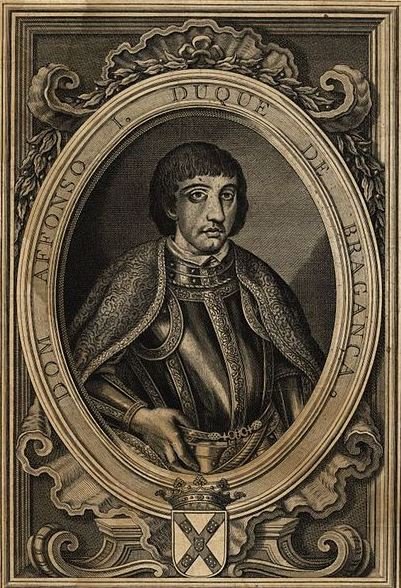
The House of Braganza was established in 1442 when King John I of Portugal, from the House of Aviz, bestowed the title of Duke of Braganza upon his illegitimate son, Afonso I. Afonso’s lineage made the family one of Portugal’s most prestigious noble houses, and his descendants accumulated vast wealth, lands, and influence.
During the Renaissance, the Braganzas became renowned as patrons of the arts and literature, contributing to the flourishing of Portuguese culture. Their extensive estates and political alliances cemented their status as one of the wealthiest and most powerful families in the Iberian Peninsula.
However, their rise to the throne was delayed until the Portuguese Restoration War in the mid-17th century. Until then, the Braganzas played a pivotal role in Portuguese politics, often maneuvering between royal authority and aristocratic interests.
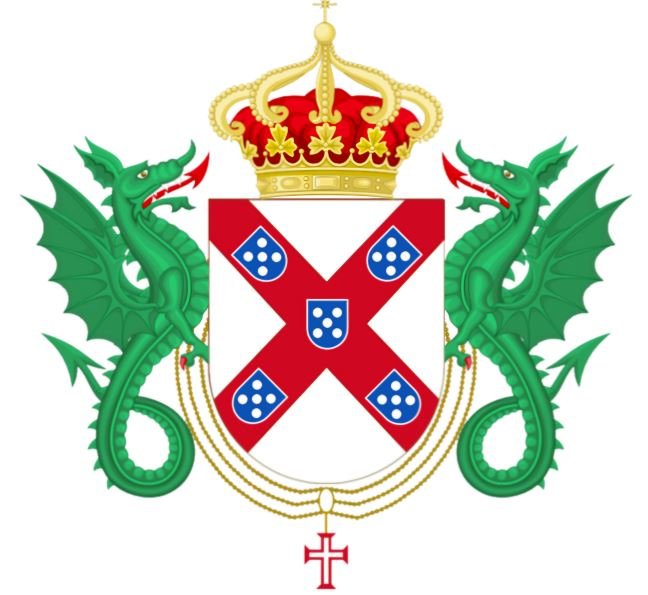
Image: Symbol representing the House of Braganza’s monarchy post-1640 restoration.
Rise to Power and Establishment of the Dynasty
The defining moment for the House of Braganza came in 1640, during a period of widespread discontent under the Iberian Union. Since 1580, Portugal had been under the rule of the Spanish Habsburgs as part of the Iberian Union. Under Spanish rule, Portugal’s autonomy was diminished, its economy overburdened by Spanish taxation, and its colonial empire increasingly vulnerable to Dutch and English attacks.
On December 1, 1640, a group of Portuguese nobles, known as the Forty Conspirators, staged a coup in Lisbon. They assassinated Miguel de Vasconcelos, a key Spanish official, and imprisoned Margaret of Savoy, the Spanish-appointed Vicereine of Portugal. They then declared John II, the 8th Duke of Braganza, as King John IV of Portugal. This event marked the beginning of the Portuguese Restoration War (1640–1668) and reestablished Portuguese independence.
John IV’s ascent to the throne signaled the end of the Iberian Union and the establishment of the Braganza dynasty as Portugal’s ruling house. His rule was legitimized through his lineage, as he was a descendant of Catherine, Duchess of Braganza, a claimant to the Portuguese throne during the succession crisis of 1580.
Rule Over Portugal
The Braganzas ruled Portugal from 1640 until the fall of the monarchy in 1910, overseeing periods of both prosperity and struggle. The dynasty’s reign can be divided into several key phases:
The Portuguese Restoration War (1640–1668)
The initial years of John IV’s reign were dominated by efforts to secure Portugal’s independence from Spain. Despite being militarily outnumbered, Portugal capitalized on Spain’s involvement in the Thirty Years’ War and a rebellion in Catalonia. Key victories, such as the Battle of Montijo (1644), showcased Portuguese resilience.
During this period, John IV forged alliances with France and Sweden to bolster Portugal’s diplomatic standing. The Braganzas also worked to stabilize Portugal’s economy and rebuild its weakened military.
Colonial Expansion and Challenges
While securing independence in Europe, the Braganza dynasty faced challenges in maintaining Portugal’s global empire. The Dutch-Portuguese War saw significant losses, including Portuguese Malacca (1641) and parts of Ceylon (Sri Lanka). However, the Portuguese managed to retake Luanda in Angola (1648) and reclaim northern Brazil from Dutch control by 1654, ensuring the empire’s survival.
Enlightenment and Reform (18th Century)
Under monarchs like Joseph I (r. 1750–1777) and his influential minister Sebastião José de Carvalho e Melo (the Marquis of Pombal), Portugal underwent significant reforms. The Braganzas embraced Enlightenment ideas, modernized the economy, and rebuilt Lisbon after the devastating 1755 earthquake. These efforts solidified Portugal’s position as a European power.
Decline of the Monarchy
By the 19th century, the Braganza dynasty faced increasing challenges, including the Napoleonic invasions, the independence of Brazil, and internal political strife. The rise of republican movements culminated in the overthrow of King Manuel II in 1910, ending the Braganza reign in Portugal.
Expansion to Brazil
In 1808, the Napoleonic Wars forced the Braganza royal family to flee to Brazil, Portugal’s largest colony. King João VI established the royal court in Rio de Janeiro, elevating Brazil’s status within the empire. In 1815, the United Kingdom of Portugal, Brazil, and the Algarves was created, recognizing Brazil’s importance.
After João VI returned to Portugal in 1821, his son, Pedro, declared Brazil’s independence in 1822 and became Emperor Pedro I of Brazil. This established the Braganza dynasty as rulers of the newly formed Empire of Brazil. The dynasty governed Brazil until 1889, when Emperor Pedro II was deposed, and Brazil became a republic.
Key Figures of the House of Braganza
The Braganza dynasty produced numerous influential rulers and figures who shaped European and global history. Some of the most notable include:
Catherine of Braganza (1638–1705)
The daughter of King John IV, Catherine married Charles II of England in 1662, becoming Queen Consort. She is credited with popularizing tea in Britain and strengthening Anglo-Portuguese relations.
Dom Pedro II (1825–1891)
The second emperor of Brazil, Pedro II, ruled for nearly 50 years, overseeing a period of modernization and cultural development. His reign ended with the proclamation of the Brazilian Republic in 1889.
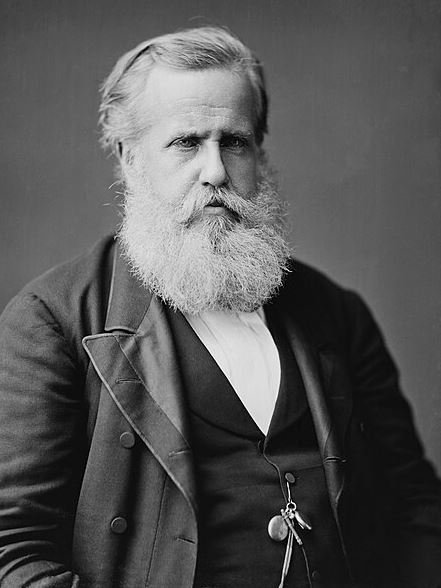
Image: Photograph of Dom Pedro II by American photographer Mathew Brady.
Maria Isabel of Braganza (1797–1818)
As Queen Consort of Spain, Maria Isabel helped found Madrid’s El Prado Museum, a cultural landmark.
King João VI (1767–1826)
A central figure during the Napoleonic era, João VI ensured the survival of the Portuguese monarchy by relocating it to Brazil and later played a key role in Brazil’s transition to independence.

Image: Portrait of João VI by Albert Gregorius.
Contributions and Achievements
The House of Braganza left a lasting legacy in several areas:
Politics and Diplomacy
- Restored Portuguese sovereignty after the Iberian Union.
- Strengthened alliances with European powers such as England, France, and Sweden.
- Played a central role in the independence of Brazil, transitioning from colonial rule to empire.
Culture and Arts
- Catherine of Braganza’s influence popularized tea in England, shaping British cultural identity.
- The Braganzas were patrons of the arts, funding significant works and institutions like El Prado Museum.
- King John V (r. 1706–1750) initiated grand architectural projects, including the Mafra Palace, symbolizing the dynasty’s wealth and influence.
Religion
The Braganzas aligned their rule with religious devotion, promoting Catholicism as a unifying force in Portugal and Brazil. King John IV declared the Immaculate Conception as Portugal’s patroness, a tradition that continues today.
The dynasty preserved Portugal’s overseas empire, ensuring its survival through colonial conflicts and maintaining territories in Africa, Asia, and South America.
Decline and Fall
Despite their accomplishments, the Braganza dynasty could not withstand the tide of political change. In Brazil, Emperor Pedro II’s progressive policies could not prevent the rise of republican sentiment, leading to his deposition in 1889. In Portugal, the monarchy faced increasing unrest, culminating in the 1910 republican revolution that ended King Manuel II’s reign.
These events marked the end of Braganza rule in Europe and the Americas. However, the dynasty’s influence and legacy remain integral to the histories of Portugal and Brazil.
Legacy
The House of Braganza remains a symbol of Portuguese and Brazilian heritage. Its contributions to governance, culture, and international relations are celebrated in both nations. Even after its deposition, the dynasty continues to be recognized for its role in shaping the modern Portuguese-speaking world.
Frequently Asked Questions
Who founded the House of Braganza, and what was its origin?
The House of Braganza was founded by Afonso I, 1st Duke of Braganza, the illegitimate son of King John I of Portugal from the House of Aviz.
When did the House of Braganza rise to the Portuguese throne?
The House of Braganza rose to the Portuguese throne in 1640 when John II, the 8th Duke of Braganza, became King John IV after the Portuguese Restoration War.
What was the significance of the Portuguese Restoration War (1640–1668)?
The Portuguese Restoration War ended 60 years of Iberian Union under the Philippine Dynasty, restoring Portugal’s sovereignty and establishing the Braganza dynasty on the throne.
What territories were ruled by the Braganza dynasty?
The Braganzas ruled Portugal and its vast empire, which included territories in Europe, Africa, Asia, and the Americas.
How did the Braganza dynasty expand its influence to Brazil?
In 1815, the United Kingdom of Portugal, Brazil, and the Algarves elevated Brazil’s status. After Brazil’s independence in 1822, the Braganzas ruled as emperors of the Empire of Brazil.
Who was the first monarch of independent Brazil from the House of Braganza?
Emperor Pedro I of Brazil, originally Dom Pedro IV of Portugal, was the first monarch of independent Brazil, establishing the Braganza branch there.
What are some notable contributions of the House of Braganza?
- Catherine of Braganza: Introduced tea to Britain as Queen Consort of Charles II of England.
- Maria Isabel of Braganza: Helped found Madrid’s El Prado Museum.
- Infante Manuel and Pedro, Duke of Braganza: Candidates for the thrones of Poland and Greece.
What challenges led to the deposition of the Braganza dynasty?
The Braganzas were deposed due to political change and revolutions: Emperor Pedro II in Brazil was overthrown in 1889, and King Manuel II in Portugal was ousted during the 1910 republican revolution.
When did Braganza rule end in Brazil and Portugal?
Braganza rule ended in Brazil in 1889 with the establishment of a republic and in Portugal in 1910 with the republican revolution.





