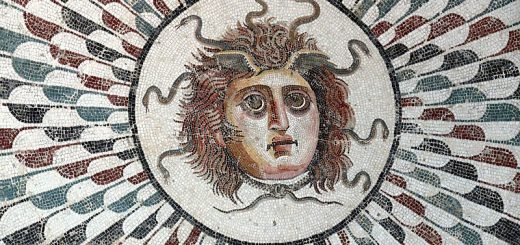
Hygieia, the Goddess of Health
In Greek mythology, Hygieia is a symbol not only of personal health but also of the broader concepts of cleanliness, sanitation, and public health.
Below, World History Edu provides a detailed look at the goddess, her role in ancient Greek religion and culture, and how she has influenced the world of medicine throughout history and into modern times.
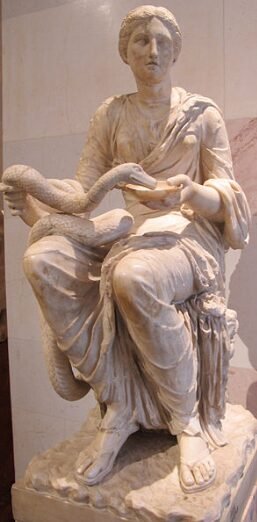
Image: 1st-century Roman statue of the goddess Hygieia.
Summary
Hygieia, the Greek goddess of health, is a relatively lesser-known figure in the pantheon of deities but holds significant importance in both mythological and practical contexts. As the goddess of health, sanitation, and cleanliness, she represents not just the cure of illness but the maintenance of good health and prevention of disease. Her name itself is the root of the word “hygiene,” indicating her profound influence on concepts of cleanliness and public health.
Hygieia was closely associated with her father, Asclepius (Asklepios), the god of medicine, and her siblings, who also represented various aspects of health and healing. Together, they formed a powerful family of deities who were worshipped throughout ancient Greece and beyond, particularly in the healing temples known as Asclepieia. While her father focused on the treatment and cure of diseases, Hygieia’s domain was the preservation of health through preventative means—cleanliness, diet, and a healthy lifestyle.
Origins and Family Lineage
Hygieia was born to Asclepius and his wife, Epione. Asclepius, the god of medicine, was a mortal man who had been elevated to godhood because of his exceptional healing abilities. He was believed to be so skilled that he could even bring people back from the dead, a power that eventually caused Zeus to strike him down with a thunderbolt in fear that Asclepius would upset the balance between gods and mortals.
Hygieia’s mother, Epione, was the goddess of soothing pain, which added another dimension to the family’s association with health and healing. Hygieia’s siblings also had roles connected to health:
- Panacea, the goddess of universal remedy, symbolized the idea of a cure-all.
- Iaso, the goddess of recovery, focused on the process of recuperation from illness.
- Aceso, the goddess of the healing process, represented the act of healing itself.
- Aglaea, the goddess of beauty and adornment, was connected to the visual and aesthetic aspects of health and well-being.
Together, this family formed a comprehensive system of deities who covered every aspect of health, from prevention to treatment and recovery. Hygieia’s unique role as the goddess of preventive medicine distinguished her from her father and siblings, underscoring the importance of maintaining health rather than solely treating illness after it occurred.
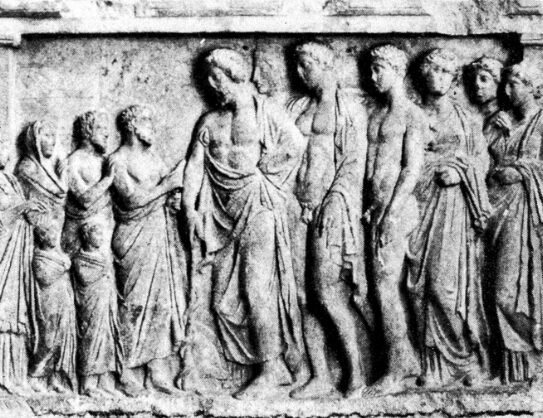
Greek goddess Hygieia and her siblings
READ MORE: Why did Zeus punish Prometheus for giving mankind fire?
Hygieia’s Role in Greek Mythology
Hygieia’s role in Greek mythology is deeply intertwined with her father’s cult and the broader practice of medicine in ancient Greece. Unlike many other deities in the Greek pantheon, Hygieia does not have an abundance of individual myths or stories. Instead, she is primarily known for her symbolic significance and her presence in healing sanctuaries across the Greek world.
As a deity, Hygieia represents the idea that health is not just the absence of illness but the result of good practices, cleanliness, and balanced living. In this sense, she is aligned with what we today call public health and hygiene, focusing on prevention rather than cure. Her worshippers would pray to her for protection from disease and for help in maintaining their well-being, rather than seeking her aid in curing specific illnesses, which was more the domain of Asclepius.
The Cult of Hygieia
The cult of Hygieia gained prominence around the 5th century BCE, particularly in conjunction with the rise of her father’s cult. The Asclepieia, healing temples dedicated to Asclepius, became central locations for the worship of both Asclepius and Hygieia. These temples were located in various parts of Greece, the most famous being the Asclepieion at Epidaurus, which became a major pilgrimage site for those seeking healing.
In these sanctuaries, Hygieia’s role was vital. The healing rituals often involved offerings, prayers, and sacrifices to both Asclepius and Hygieia, with the hope that the gods would either cure the sick or help them maintain their health. The emphasis on preventative health practices, such as cleanliness, good diet, and mental well-being, reflects Hygieia’s role as a goddess of overall health and hygiene.
Worshippers would often leave votive offerings, such as statues or inscriptions, thanking Hygieia for preserving their health or helping them recover from illness. In times of plague or widespread disease, Hygieia was particularly venerated, as people sought her protection from deadly epidemics. This highlights her association with public health on a broader scale.
Symbolism and Iconography
Hygieia is most commonly depicted in ancient art as a serene and youthful woman, often accompanied by a serpent. This serpent, which is sometimes coiled around her or drinking from a bowl she holds, is a key symbol in her iconography. The serpent in Greek mythology is often associated with healing and regeneration, as it sheds its skin and is renewed. This symbolizes the idea of renewal and the continual maintenance of health.
The Bowl of Hygieia, a common representation in her depictions, has become a lasting symbol in the medical world, particularly in the field of pharmacy. Today, it remains one of the most recognized symbols of medicine and pharmacy globally. The bowl can be interpreted as a vessel containing healing substances, while the serpent represents the careful and measured use of these substances to maintain or restore health.
In ancient art, Hygieia is often depicted alongside her father, Asclepius, and sometimes with her siblings. Her calm and composed demeanor in these depictions reinforces her association with peace, health, and the absence of illness. Unlike many other deities who are often shown in dynamic or violent scenes, Hygieia’s imagery emphasizes tranquility and well-being.
Hygieia’s Role in Ancient Medicine
Hygieia’s association with preventative medicine and hygiene is deeply rooted in the medical practices of ancient Greece. The Greeks understood that maintaining cleanliness, a balanced diet, and mental well-being were essential for good health.
These principles were encapsulated in the worship of Hygieia, who embodied the idea that health should be preserved through good habits and preventative measures.
One of the central figures in ancient Greek medicine was Hippocrates, often regarded as the father of modern medicine. Hippocrates and his followers emphasized the importance of lifestyle in maintaining health.
They believed that disease was often the result of imbalances in the body, and that these imbalances could be corrected through diet, exercise, and other preventative measures. This approach to health is very much in line with the principles that Hygieia represented.
The concept of balance was central to Greek medicine. The body was thought to be composed of four humors—blood, phlegm, black bile, and yellow bile—and good health depended on maintaining the proper balance between these humors. Hygieia’s emphasis on prevention and maintaining balance in one’s life aligns with this medical philosophy.
In the Asclepieia, patients would often engage in rituals designed to promote both physical and mental well-being. This included everything from bathing and diet to dream incubation, where patients would sleep in the sanctuary in hopes of receiving healing visions from the gods. The connection between mental and physical health was recognized, and Hygieia’s worship emphasized the importance of a healthy mind in a healthy body.

Image: Hippocrates
Hygieia in Roman Culture
Hygieia’s influence extended beyond Greece into the Roman world, where she was worshipped under the name Salus. In Roman religion, Salus was the goddess of health, safety, and public welfare. Like Hygieia, Salus was associated with both personal health and the health of the state, reflecting the idea that a healthy population was essential for a strong and prosperous society.
The Romans built temples to Salus, and annual festivals were held in her honor. These festivals, known as Sacra Salutes, were occasions for public prayers and sacrifices to ensure the health of both individuals and the Roman state. The emphasis on public health measures, such as the construction of aqueducts, baths, and sanitation systems, reflects the influence of Hygieia’s principles in Roman society.
Roman public health infrastructure was advanced for its time, and much of it was aimed at preventing the spread of disease through cleanliness and sanitation. Public baths, for example, were an essential part of Roman daily life, and they were built not only for leisure but also as a way to maintain hygiene and health among the population. This focus on sanitation and public health measures can be seen as an extension of the ideas represented by Hygieia and her Roman counterpart, Salus.
The Legacy of Hygieia
The legacy of Hygieia has endured through the centuries, influencing not only the field of medicine but also societal views on health and hygiene. Her name, from which the word “hygiene” is derived, is a testament to her lasting impact on how we understand cleanliness and the prevention of disease.
In modern medicine, the principles represented by Hygieia are more relevant than ever. The focus on preventative care, sanitation, and public health remains a cornerstone of medical practice today. The rise of public health initiatives, vaccines, and sanitation efforts can all be traced back to the values that Hygieia embodied in ancient times.
Additionally, the Bowl of Hygieia continues to be a prominent symbol in the pharmaceutical industry. Pharmacy associations and medical organizations around the world use this symbol as a reminder of the importance of careful and measured approaches to health and healing. The serpent and bowl, representing the balance between nature and medicine, remain powerful icons of the medical profession.
Hygieia and the Hippocratic Oath

The Hippocratic Oath was a core part of the Hippocratic Corpus that emerged from Alexandria, Egypt
Hygieia, the Greek goddess of health, plays a significant role in the Hippocratic Oath, which is taken by physicians to uphold ethical medical practices.
In the oath, physicians swear by several healing deities, including Apollo, Asclepius (the god of medicine), Hygieia (goddess of health), and Panacea (goddess of cures).
This invocation highlights Hygieia’s importance in ancient medical tradition as a protector of health and well-being.
Hygieia and Holistic Health
In recent years, there has been a growing movement toward holistic health, which emphasizes the interconnectedness of the mind, body, and spirit in maintaining overall well-being. This approach to health echoes the ancient Greek understanding of health as represented by Hygieia. Holistic health practitioners focus on preventative care, balance in lifestyle, and the importance of mental and emotional well-being—principles that are deeply rooted in the worship of Hygieia.
The idea that health is more than just the absence of disease but rather a state of complete physical, mental, and social well-being is central to both holistic health practices and the legacy of Hygieia. This ancient concept continues to influence modern healthcare, particularly in the fields of wellness, nutrition, and mental health.
Frequently asked questions about Hygieia, the Goddess of Health

Hygieia, the Greek goddess of health, represents a timeless and universal concept of well-being that transcends the boundaries of myth and continues to influence modern medicine and public health. Image: Hygieia’s statue at the College of Physicians, Queen Street in Edinburgh, Scotland.
What are the origins of modern medicine?
Modern medicine traces its roots back to ancient civilizations, where healing practices involved a mix of magic, herbal remedies, and religious rituals to protect and cure people. The foundation of contemporary medical care emerged from ancient Greece, specifically through the healing cult of Asklepios and Hygieia, which became prominent around 500 BCE.
Who were Asklepios and Hygieia in ancient Greek medicine?
Asklepios was a god of medicine, while Hygieia was associated with health and hygiene. Together, they formed a powerful healing duo in ancient Greek and Roman medical traditions. Hygieia played a significant role in protecting health, and her partnership with Asklepios became central to healing practices for centuries.
Why is Hygieia’s identity debated?
Hygieia’s identity has been a topic of debate because ancient sources describe her as a goddess, while modern scholars sometimes refer to her as a personification or extension of Asklepios. The varying interpretations of her role—whether as a deity or an abstraction—are reflected in discussions about her position in ancient religious and medical contexts.
What role did personification play in ancient Greek religion?
In ancient Greek religion, personification was the practice of giving human traits to abstract concepts like health, sleep, and other physiological states. Hygieia was personified as health itself, closely associated with healing cults. This practice parallels figures like Hypnos (Sleep), who was also linked to healing.
How does Hygieia differ from other Greek deities?
Unlike the Olympian gods, who were considered immortal and lived on Mount Olympus, Hygieia’s role was more practical, blending religion with health care. Her mythology is not as extensive as deities like Athena or Apollo, though she was connected to various other gods, including Egyptian and Roman counterparts involved in healing.
READ MORE: Difference between Apollo and Helios
What is the historical significance of Hygieia’s cult?
Hygieia’s cult has deep roots in ancient Greece, beginning as early as the 7th and 6th centuries BCE. She became widely recognized after being introduced to Athens during a plague in 429–427 BCE. By 420 BCE, she and Asklepios became central figures in Athenian healing traditions, with her role as an independent goddess solidified by that time.
What was the Telemachus Monument, and why is it important?
The Telemachus Monument, from the early 4th century BCE, depicts Asklepios and Hygieia together and offers a detailed representation of their healing roles. It provides evidence of their cult’s prominence in ancient Greek religion and medicine, marking a significant point in the development of Hygieia’s status.
How did religious innovation in the 5th century BCE affect Hygieia?
The 5th century BCE was a time of religious innovation in Greece, with the introduction of new cults, epithets for deities, and foreign gods. Hygieia’s rise coincided with this period, where smaller, local cults like hers merged with larger religious traditions. She became integrated into the Asklepios cult, growing in prominence across the Greek and Roman worlds.
What was the relationship between Athena Hygieia and Hygieia?
Athena Hygieia and Hygieia likely coexisted, with Athena originally having a healing aspect in her worship. However, as Hygieia’s independent cult gained prominence in the 4th century BCE, Athena’s role in health care faded. By this time, Hygieia had her own altar in the Asklepieion, a sanctuary dedicated to healing.