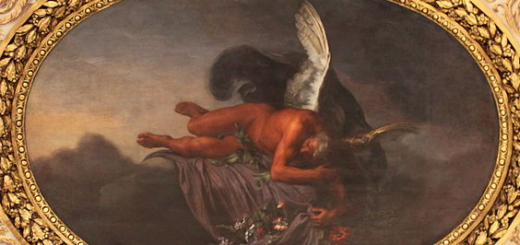
Who are the children of Asclepius in Greek Mythology?
In ancient Greek mythology, Asclepius (Asklēpiós), the god of medicine and healing, played a vital role in the pantheon, revered as the ultimate healer who could even defy death. Asclepius’ lineage and offspring were equally significant in shaping Greek conceptions of health, medicine, and human well-being.
His children, collectively known as the Asclepiadae, continued his divine legacy in healing and medicine. They were associated with various aspects of healthcare, including surgery, hygiene, healing, and even specific areas like ophthalmology or mental well-being. Through these mythological figures, the ancient Greeks articulated their understanding of medicine, the relationship between humans and the divine, and the importance of healing in society.
In this detailed explanation, World History Edu presents Asclepius himself as well explore the myths surrounding his famous children.
Asclepius: The Divine Healer
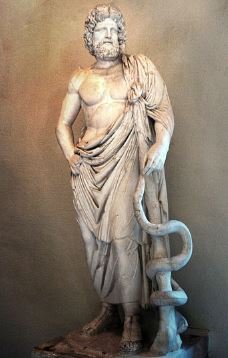
Image: Asclepius with his serpent-entwined staff, Archaeological Museum of Epidaurus
Before delving into the children of Asclepius, it is important to understand the figure from whom they descended. Asclepius was the son of Apollo, the god of prophecy, music, and healing, and the mortal woman Coronis.
According to myth, Coronis was unfaithful to Apollo while she was pregnant with Asclepius. Apollo, upon learning of her betrayal through his prophetic abilities, killed her, but rescued the unborn Asclepius by cutting him from her womb and entrusted him to the centaur Chiron, a wise healer and teacher of many heroes. Chiron raised Asclepius and taught him the art of healing.
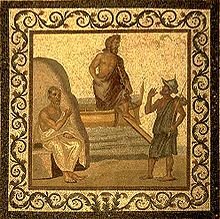
Asclepius (center) arrives in Kos and is greeted by Hippocrates (left) and a citizen (right), mosaic, 2nd–3rd century AD
Asclepius grew so skilled in medicine that he not only cured the sick but, according to some versions of the myth, even discovered the ability to bring the dead back to life. This power to defy mortality angered Zeus, who feared that such knowledge could disrupt the natural order of life and death. As a result, Zeus struck Asclepius with a thunderbolt, killing him. Despite his demise, Asclepius was immortalized as a god, and his cult grew widespread throughout Greece, with temples, called Asclepieia, dedicated to him where healing practices were performed.
The Children of Asclepius: The Asclepiadae
Asclepius had several children, most of whom, like their father, were associated with different aspects of healing and health. These children played a significant role not only in mythology but also in the development of ancient Greek medical practices and the understanding of the human body. The most prominent of Asclepius’ offspring were Hygeia, Panacea, Iaso, Aceso, Aglaea, and Machaon and Podalirius, his two sons.
Hygeia: The Goddess of Hygiene and Preventive Medicine
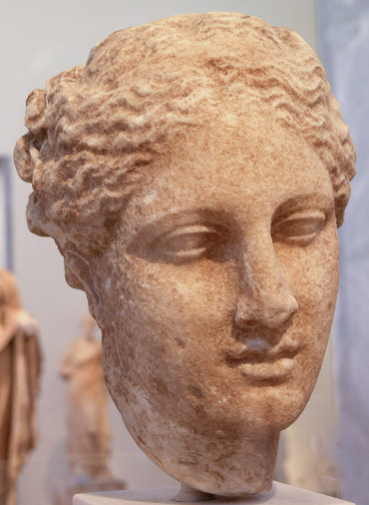
Head of the goddess Hygieia by Scopas from the temple of Athena Alea at Tegea at the National Archaeological Museum of Athens
Perhaps the most well-known of Asclepius’ daughters, Hygeia (Ὑγίεια) was the personification of health, cleanliness, and sanitation. Her name is the root of the modern word “hygiene,” which reflects the lasting influence of her association with health and cleanliness in Western medical thought.
Hygeia was often depicted as a serene and calm figure, sometimes holding a bowl from which a snake drinks. The serpent was a key symbol of Asclepius and his family, representing renewal and the cycles of life, as snakes shed their skin. In her worship, she was seen as embodying preventive health, focusing not just on curing diseases but on preventing them through cleanliness and balanced living.
The concept of prevention over cure, central to Hygeia’s domain, was essential to Greek medical philosophy and continues to resonate in modern healthcare practices. By maintaining good hygiene and living a healthy lifestyle, individuals could avoid the need for cures and treatments.
Did you know…?
10 Hygiea is a large asteroid in the main asteroid belt, with a diameter of 425-440 km, making it the fourth-largest by volume and mass. Discovered in 1849 by Annibale de Gasparis, it was named after the Greek goddess Hygieia and the Bourbon family.
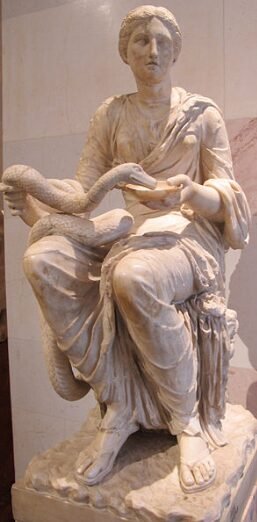
Perhaps the most famous daughter of Asclepius is Hygieia, a deity linked to health, cleanliness, and sanitation. The ancient Greeks believed that Hygieia represented different aspects of Apollo’s art of healing.
Panacea: The Goddess of Universal Remedy

Image: Statue of Panacea in the Archaeological Museum of Dion.
Another significant daughter of Asclepius was Panacea (Πανάκεια), whose name literally means “all-healing.” She was the goddess of the universal remedy, embodying the concept that there could be a single cure for all ailments. The idea of a panacea has persisted into modern times as a metaphor for any solution that addresses a multitude of problems.
In mythological representations, Panacea was believed to carry a potion or medicine that could cure any disease, emphasizing the hope for an all-encompassing remedy. While this concept is mythological in nature, the pursuit of a “cure-all” has remained a recurring theme in medical science throughout history, from alchemists’ quests to modern efforts to discover vaccines or medications that can treat multiple diseases.
Panacea’s role in the mythological pantheon of healing gods highlighted the optimism and faith the ancient Greeks placed in the power of medicine and the divine.
Iaso: The Goddess of Recuperation
Iaso (Ἰασώ), another daughter of Asclepius, was the goddess of recovery and recuperation from illness. Her domain was narrower than that of Hygeia or Panacea, as she was specifically associated with the process of healing and the body’s ability to recover after disease or injury.
Iaso’s presence in Greek mythology reflected the importance the Greeks placed on the body’s natural recuperative powers. Healing was not only about the intervention of doctors or gods but also about the body’s own ability to restore itself. Temples dedicated to Asclepius often emphasized the combination of divine intervention, medical treatment, and the natural process of recovery that Iaso embodied.
Aceso: The Goddess of the Healing Process
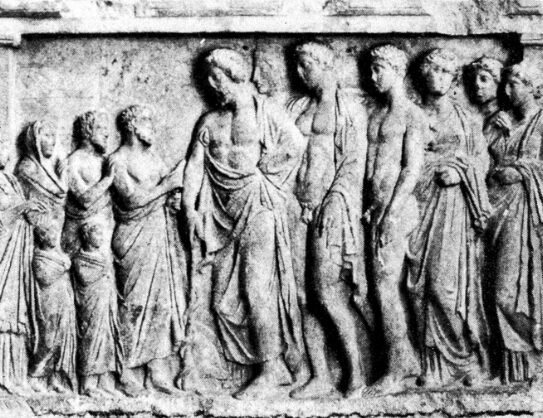
Daughters of Asclepius are: Hygieia, Panacea (universal remedy), Iaso (recuperation), Aceso (healing process), and Aegle (radiant health). Image: Aceso depicted with her father, Asclepios, and her siblings
Aceso (Ἀκεσώ) was closely related to her sister Iaso, but her focus was slightly different. While Iaso represented the state of recovery, Aceso was the goddess of the process of healing itself. In other words, Aceso’s influence was not on the outcome but on the gradual progress from illness to health. She symbolized the care and treatment that took place over time to bring about recovery.
This subtle distinction between Aceso and her sister Iaso illustrates the Greek understanding of the complexity of health and healing. The journey from sickness to health was seen as a process, often requiring time, care, and continuous attention—attributes personified by Aceso.
Aglaea: The Goddess of Beauty and Health
Aglaea (Ἀγλαΐα), also known as Aegle, was associated with both physical beauty and the healthy glow that accompanies it. As the goddess of radiance and good health, she represented the idea that true beauty comes from being healthy. While she is sometimes listed as one of the Graces (Charites), some sources identify her as another daughter of Asclepius, suggesting a connection between beauty and health.
In Greek thought, there was a strong link between a healthy body and physical attractiveness. Aglaea embodied this connection, reminding ancient Greeks that health and beauty were intertwined, with beauty being a natural outcome of physical well-being.
Machaon: The Surgeon and Battlefield Healer
Asclepius’ sons, Machaon and Podalirius, were famous in Greek mythology for their roles as healers during the Trojan War. Machaon was known as a skilled surgeon and physician, particularly in treating warriors on the battlefield. He and his brother were considered mortal descendants of Asclepius and served as physicians for the Greek forces.
In Homer’s Iliad, Machaon is described as one of the key medical figures during the Trojan War, applying his knowledge of wounds and injuries to save the lives of warriors. His role reflected the ancient Greek understanding of the importance of trauma medicine and surgery, especially in the context of war. In mythology, he healed famous heroes like Menelaus and Philoctetes. Machaon’s focus on battlefield medicine highlights the necessity of practical medical intervention in acute, life-threatening situations.
Podalirius: The Physician of Internal Medicine
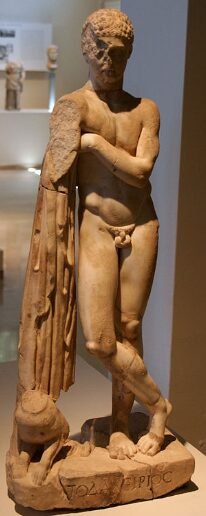
Image: Statue of Podalirius – Archaeological Museum of Dion
Podalirius, like his brother Machaon, was a skilled physician, but his expertise lay in internal medicine and non-surgical treatments. He was described as being able to diagnose and treat internal diseases, offering a complementary skill set to his brother’s surgical abilities. Together, they symbolized the two primary approaches to medicine: surgery (Machaon) and internal medicine (Podalirius).
Podalirius’ expertise reflected an advanced understanding of holistic medicine in ancient Greece, recognizing that different types of illnesses required different types of treatments. His role in mythology demonstrated the Greeks’ respect for physicians who could treat the whole body, not just surface wounds.
Legacy and Influence of the Asclepiadae
The children of Asclepius were not merely mythological figures but represented core elements of the Greek understanding of health and medicine. Together, they covered a wide spectrum of medical care:
- Hygeia represented preventive care and cleanliness.
- Panacea embodied the hope for universal cures.
- Iaso and Aceso symbolized recovery and the healing process.
- Aglaea linked health with beauty and radiance.
- Machaon and Podalirius demonstrated the practical application of medicine, both in terms of surgery and internal medicine.
These figures provided a divine framework for understanding different aspects of healing, from prevention to recovery, from surgery to holistic care. Their influence extended beyond myth into the real-world practice of medicine, particularly in the Asclepieia, the healing temples dedicated to Asclepius, where both spiritual and physical healing were pursued.
At these sanctuaries, patients sought cures through rituals, offerings, and treatments that likely combined both supernatural beliefs and early forms of medical science. The presence of statues and symbols of Asclepius’ children, especially Hygeia, in these temples emphasized the comprehensive nature of health, integrating preventive care, treatment, and recovery.
Conclusion
The children of Asclepius in Greek mythology played crucial roles in shaping the ancient understanding of medicine, health, and healing.
From Hygeia’s emphasis on hygiene and preventive care to Machaon and Podalirius’ skills in battlefield surgery and internal medicine, these figures embodied the different facets of healthcare. Together, they provided a comprehensive view of what it meant to be healthy, emphasizing not just the treatment of disease but also the importance of prevention, recovery, and the healing process.