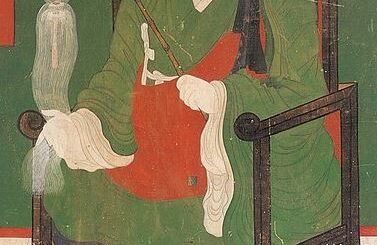
Jindeok of Silla
Queen Jindeok (600–654) stands as a significant figure in Korean history, having ruled the Kingdom of Silla from 647 to 654. As the 28th monarch of Silla and its second reigning queen following Queen Seondeok, her leadership was pivotal during a transformative period.
Her reign is notable for diplomatic maneuvers with the Chinese Tang dynasty and efforts that ultimately contributed to the unification of the Korean Peninsula. Queen Jindeok is also remembered for her literary contributions and her striking physical presence, as chronicled in historical texts.
Early Life and Ascension
Born Kim Seung-man, Queen Jindeok hailed from the prestigious Seonggol class, the highest tier in Silla’s caste system. She was the daughter of Kim Gukban, the youngest brother of King Jinpyeong, and Lady Wolmyeong. Her lineage positioned her within the royal family, making her a suitable candidate for the throne.
In 647, following the reign of Queen Seondeok, Jindeok ascended to the throne, becoming Silla’s second reigning queen. Her rise marked the continuation of female leadership within Silla, underscoring the kingdom’s relatively progressive stance on female rulers.
Reign and Foreign Policy
During her seven-year reign, Queen Jindeok primarily focused on strengthening Silla’s foreign relations and military defenses. A key collaborator in these efforts was General Kim Yu-sin, whose strategic acumen was instrumental in enhancing Silla’s military capabilities. Queen Jindeok adeptly navigated the complex political landscape, balancing Silla’s interests against those of rival kingdoms Baekje and Goguryeo.
Her diplomatic strategies were particularly aimed at securing favor with the Tang dynasty of China. By fostering strong ties with Tang, she laid the groundwork for future alliances that would facilitate the eventual unification of the Three Kingdoms of Korea.
Additionally, Queen Jindeok implemented significant economic reforms, notably expanding the Pumju tax-collecting system, which bolstered the kingdom’s financial stability and administrative efficiency.

The royal tomb of Jindeok, a significant historical site, is situated in Gyeongju, Gyeongsangbuk-do, South Korea.
Cultural Contributions
Beyond her political and military achievements, Queen Jindeok made notable cultural contributions. She is credited with composing the poem “Chidangtaepyeongsong” (致唐太平頌), a literary work addressed to Emperor Gaozong of Tang. This poem exemplifies her intellectual prowess and her ability to engage with contemporary literary forms, reflecting the sophisticated cultural milieu of Silla during her reign.
Her reign also saw the promotion of arts and literature, fostering a cultural renaissance that would leave a lasting legacy on Korean heritage. The emphasis on cultural development under her leadership helped to solidify Silla’s identity and prestige in the region.
Legacy and Influence
Queen Jindeok’s reign had a profound impact on the subsequent history of Silla and Korea. Her successful governance provided a model for female leadership, influencing later monarchs. For instance, when King Jeonggang was on his deathbed in 887, he appointed his sister Jinseong as his successor, citing the effective reigns of Queen Seondeok and Queen Jindeok as justifications for a female ruler.
Queen Jindeok’s reign was a period of strategic diplomacy, military strengthening, and cultural flourishing for the Kingdom of Silla.
Her diplomatic successes with Tang China not only stabilized Silla’s position but also set the stage for the eventual unification of the Three Kingdoms. This unification under Silla significantly shaped the political and cultural landscape of the Korean Peninsula for centuries to come.
Tomb and Historical Debates
The final resting place of Queen Jindeok has been a subject of historical debate. Traditionally, her tomb is believed to be situated on a hill in Gyeongju. However, some historians question this attribution, pointing to the Samguk Sagi—a historical record—which states that she was buried at Saryangbu, located in a different direction from the supposed tomb site.
Additionally, archaeological discoveries have unearthed a statue of Queen Jindeok’s lower body at Zhao Mausoleum in Xi’an, the tomb of Emperor Taizong of Tang, suggesting possible diplomatic exchanges or reverence from the Tang dynasty.
Family and Ancestry
Queen Jindeok’s royal lineage played a crucial role in her ascension and legitimacy as monarch. Her father, Kim Gukban, was a prominent figure in the royal family, being the youngest brother of King Jinpyeong, the 26th ruler of Silla.
Her grandmother, Lady Manho of the Gyeongju Kim clan, further cemented her noble heritage. Queen Jindeok was closely related to several other significant rulers, including Queen Seondeok, Princess Cheonmyeong, and Muyeol of Silla, the latter of whom succeeded her as the 29th king.
Her marriage to Kim Gi-an, although noted, did not produce any offspring, which likely influenced the succession dynamics within the royal family. Her extensive ancestry and familial connections underscored the importance of lineage in maintaining the stability and continuity of Silla’s monarchy.
Representation in Popular Culture
Queen Jindeok’s enduring legacy is also reflected in modern popular culture. She has been portrayed in various South Korean television series, highlighting her historical significance and charismatic leadership. Notable portrayals include those by Yoo Roo Na in “Chronicle of the Three Kingdoms” (1992–1993), Son Yeo-eun in “Dream of the Emperor” (2012–2013), and Na Mi Hee in “Chronicles of Korea” (2017).
Additionally, her influence extends to contemporary media, where she is featured as a recruitable general in the mobile war game “Evony: The King’s Return,” allowing a new generation to engage with her legacy interactively.
Frequently Asked Questions
What were the main achievements of Queen Jindeok’s foreign policy during her reign?
Queen Jindeok focused on strengthening Silla’s relations with the Tang dynasty of China, which laid the groundwork for future alliances. With the assistance of General Kim Yushin, she enhanced Silla’s military defenses and improved diplomatic ties, which were crucial in the eventual unification of the Three Kingdoms of Korea.
How did Queen Jindeok contribute to Silla’s economic and administrative systems?
She expanded the Pumju tax-collecting system, which increased the kingdom’s financial stability and administrative efficiency. This expansion helped bolster Silla’s economy and supported the kingdom’s ability to sustain its military and diplomatic efforts.

In what ways did Queen Jindeok influence cultural developments in Silla?
Queen Jindeok composed the poem “Chidangtaepyeongsong,” demonstrating her intellectual prowess. Her reign promoted the arts and literature, fostering a cultural renaissance that strengthened Silla’s cultural identity and prestige in the region.
What is the significance of Queen Jindeok’s legacy in subsequent Silla monarchies?
Her successful reign provided a model for female leadership, influencing later monarchs such as Queen Jinseong, who was appointed as King Jeonggang’s successor in 887. Queen Jindeok’s governance showcased the effectiveness of female rulers, reinforcing the acceptance of women in leadership roles within Silla.