Sunjong of Korea
Sunjong was the last monarch of Korea, serving as emperor from 1907 until Japan’s annexation of Korea in 1910. His reign marked the final years of the Korean Empire before...

Sunjong was the last monarch of Korea, serving as emperor from 1907 until Japan’s annexation of Korea in 1910. His reign marked the final years of the Korean Empire before...

Buddhism, which entered Korea from China via the Silk Road, has deeply influenced Korean culture, history, and society for over 1,600 years. Although it underwent periods of growth and decline,...

The Three Kingdoms period of Korea, known as Samhan (삼국시대), was a formative era that shaped the cultural, political, and social landscape of Korea. During this period, the Korean Peninsula...

Dolmens (Goindol) are among the most significant archaeological features of prehistoric Korea, providing crucial insights into the social structures, burial customs, and religious beliefs of early Korean societies. These large...
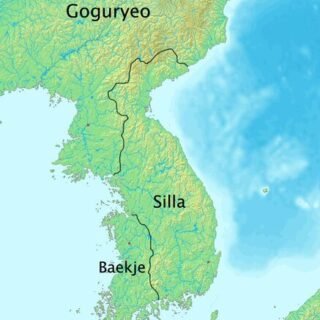
The Silla Kingdom (57 BCE – 935 CE) was one of the most significant dynasties in Korean history. Known for its remarkable political stability, centralized governance, and vibrant cultural achievements,...

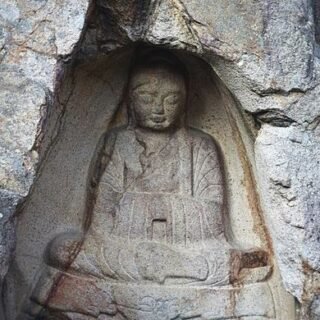
Buddhism was introduced to Korea from China during the Three Kingdoms period (57 BCE–668 CE). It thrived due to royal patronage and the efforts of several influential monks who played...
Queen Seondeok (c. 580 or 610 – 647 CE) was the first female monarch of Silla, one of Korea’s Three Kingdoms, ruling from 632 to 647 CE. Celebrated for her intelligence...

Queen Jindeok (600–654) stands as a significant figure in Korean history, having ruled the Kingdom of Silla from 647 to 654. As the 28th monarch of Silla and its second...
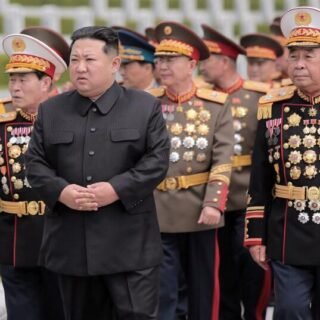
North Korea’s generals are often seen adorned with an overwhelming number of medals, even though the country has not engaged in a full-scale war since the Korean War over seven...
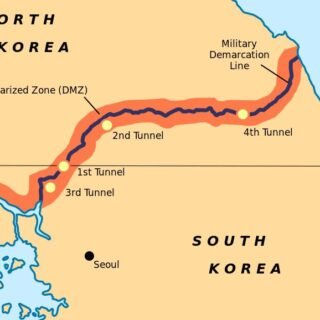
The division of Korea into North Korea and South Korea is a pivotal event that reshaped the Northeast Asian region and has had lasting global implications. Understanding the historical context and the...





