Life and Political Career of Manuel de Sarratea
Manuel de Sarratea was an influential political and diplomatic figure in early 19th-century Argentina, playing pivotal roles during a formative period in the country’s history.
Born in Buenos Aires on August 11, 1774, Sarratea came from a privileged background, which laid the foundation for his later career. His father, Martín de Sarratea, was one of the wealthiest merchants in Buenos Aires, providing Manuel with significant social and economic advantages that would facilitate his entrance into public life. Educated in Madrid, Spain, Sarratea returned to his homeland with a strong grounding in the political and diplomatic practices of the time.
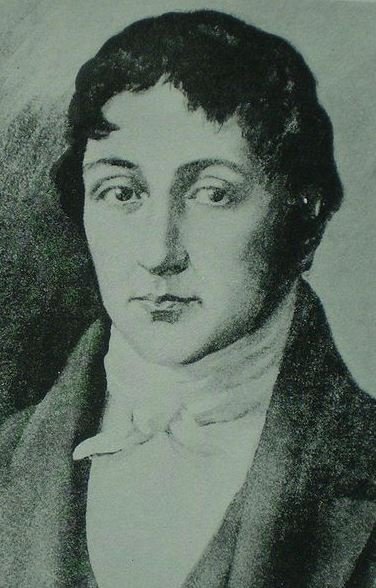
Manuel de Sarratea was an Argentine diplomat, politician, and soldier from Buenos Aires. He was the son of wealthy merchant Martín de Sarratea and Tomasa Josefa de Altolaguirre. Image: Photo of Sarratea.
Early Diplomatic Roles and the May Revolution
Sarratea’s career gained prominence during the revolutionary period that marked the beginning of Argentina’s struggle for independence from Spanish rule. The May Revolution of 1810, which sought to establish self-governance in the face of declining Spanish authority, was a turning point for Sarratea.
His experience and connections positioned him as an asset to the leaders of the independence movement. On the advice of Manuel Belgrano, Sarratea was appointed ambassador to Rio de Janeiro. This role was critical in securing diplomatic support and potential alliances that could aid the revolutionary government, known as the Primera Junta, in its efforts to maintain control and legitimacy.
After the dissolution of the Primera Junta, Sarratea returned to Buenos Aires and became a member of the First Triumvirate, which took power in 1811. This executive body was tasked with leading the revolutionary government through a period of internal and external challenges.
One of Sarratea’s key diplomatic efforts during his time in the Triumvirate was negotiating a peace treaty with Viceroy Francisco Javier de Elío, which temporarily ceded the Banda Oriental (present-day Uruguay) to Spanish control in exchange for a fragile peace. Although this move was seen as a pragmatic step to buy time for the nascent government, it was not long-lasting. The political landscape soon shifted as power dynamics in Montevideo changed, and the conflict with Spanish loyalists resumed.
Military Leadership and Conflict with Artigas
In 1812, as the war reignited in Montevideo, Sarratea was appointed to lead the army stationed in the Banda Oriental. One of his greatest challenges in this role was dealing with the influential caudillo José Artigas, who had the loyalty of many local Criollo troops. Sarratea’s attempts to reconcile with Artigas involved both negotiation and attempts to bribe him into cooperation. When these efforts failed, Sarratea declared Artigas a traitor, a decision that was not supported by the rest of the Triumvirate and created significant political tension.
The Triumvirate, which had been heavily influenced by the policies of Bernardino Rivadavia, fell from power in October 1812. Despite this, Sarratea remained in command of the Banda Oriental forces until early 1813 when he was replaced by José Rondeau. Artigas and his followers returned to support the siege of Montevideo following Sarratea’s departure, highlighting the difficulties Sarratea faced in maintaining unity among regional military leaders.
Diplomatic Missions and Monarchical Aspirations
Sarratea’s political career saw a significant shift when Supreme Director Gervasio Posadas sent him on a diplomatic mission to Europe after a period of inactivity. His task was to seek recognition and negotiate on behalf of the United Provinces. In Spain, Sarratea proposed that the United Provinces submit to the Spanish crown while retaining a degree of autonomy, a suggestion that was promptly rejected by King Ferdinand VII, who viewed him as a representative of a rebellious faction.
After being dismissed in Spain, Sarratea moved to London, where he encountered fellow Argentine ambassadors Manuel Belgrano and Bernardino Rivadavia. Together, they devised an ambitious plan to establish a constitutional monarchy in the Río de la Plata, seeking to crown Francisco de Paula de Borbón, a brother of Ferdinand VII. This idea gained traction, and a monarchical constitution was even drafted. However, the plan failed when Francisco declined the proposal, and there were even considerations to kidnap him to force his coronation, a scheme that never came to fruition.
Governorship of Buenos Aires and Political Instability
Sarratea returned to Buenos Aires in 1816 and was appointed Minister of Foreign Relations by Supreme Director Juan Martín de Pueyrredón. His tenure was brief, as health issues and political intrigue led to his resignation. His association with opposition figures eventually resulted in his expulsion to Montevideo by Pueyrredón’s order.
The political landscape shifted again after the Battle of Cepeda in 1820, where centralist forces were defeated by the federalist armies of Estanislao López and Francisco Ramírez. Sarratea aligned himself with the victorious federalist leaders, who sent him as their representative to negotiate with the Buenos Aires Cabildo. He convinced the Cabildo to appoint him governor of Buenos Aires, and he assumed the role on February 18, 1820.
One of his first significant actions was signing the Treaty of Pilar, which recognized the equality of Buenos Aires with the other provinces and promised the delivery of armaments to federalist caudillos.
However, when Buenos Aires troops discovered that Sarratea intended to fulfill his promise to deliver weapons, they rose against him. He was deposed on March 6, 1820, and replaced by General Juan Ramón Balcarce. General Ramírez, incensed by this breach of the treaty, threatened to attack Buenos Aires unless Sarratea was reinstated.
Sarratea resumed office on May 11, 1820, but the province remained in a state of anarchy. He struggled to gain the loyalty of the military and maintain order, leading to his resignation by the end of May.

Image: Juan Martín de Pueyrredón. Artwork by Prilidiano.
Involvement in the Defeat of Artigas and Later Political Activities
Sarratea’s role in military and political affairs did not end with his resignation. He joined Francisco Ramírez in a campaign against José Artigas, contributing to Artigas’s eventual defeat, which marked a significant success in Sarratea’s career.
Following this victory, he was involved in the preparations for Ramírez’s campaign against Buenos Aires, Santa Fe, and Córdoba. However, this conflict ended in failure, leading Sarratea to withdraw temporarily from political life.
Diplomatic Service and Final Years
Despite the setbacks and changing political landscape, Sarratea remained a figure of importance. On August 31, 1825, Juan Gregorio de Las Heras appointed him as the commercial representative of the United Provinces to Great Britain.
His diplomatic experience was again put to use when President Bernardino Rivadavia sent him back to London in 1826 to represent the United Provinces. During this mission, Sarratea supported British efforts to separate the Banda Oriental (modern-day Uruguay) from the United Provinces, a policy formalized in 1828 and which further complicated regional dynamics.
Governor Manuel Dorrego retained Sarratea as ambassador, and later, Juan Manuel de Rosas appointed him as an envoy to Brazil and France, reflecting his continued relevance in Argentine diplomacy.
Did you know…?
Through his sister, Martina, Manuel de Sarratea was the brother-in-law of Santiago de Liniers, Viceroy of the Río de la Plata.
Legacy
Manuel de Sarratea’s career was a tapestry of ambition, strategic alliances, and fluctuating fortunes. Although not universally admired, his roles in military leadership, governance, and diplomacy highlighted the complexities of Argentina’s early political landscape.
His participation in key treaties and international negotiations helped shape the geopolitical contours of the region. Sarratea’s successes and failures underscored the challenges faced by those navigating the volatile transition from colonial rule to nationhood.
He passed away in Limoges, France, on September 21, 1849, closing the chapter on a life intertwined with the tumultuous formation of Argentine identity.
Frequently Asked Questions
Where and when was Sarratea born?
Sarratea was born on August 11, 1774, in Buenos Aires, into a wealthy and prominent family.
What was Sarratea’s educational background?
He was educated in Madrid, which prepared him for a career in diplomacy and politics.
How did Sarratea become involved in the May Revolution of 1810?
Sarratea worked closely with leaders of the independence movement and, on the advice of Manuel Belgrano, was appointed ambassador to Rio de Janeiro to strengthen diplomatic ties supporting the United Provinces.
What position did Sarratea hold in the First Triumvirate?
After the dissolution of the Primera Junta, Sarratea became a member of the First Triumvirate, an executive body governing Buenos Aires from 1811.
What was one of the significant actions of the First Triumvirate?
The First Triumvirate negotiated a treaty with Viceroy Francisco Javier de Elío, temporarily ceding the Banda Oriental (modern-day Uruguay) to Spanish control to create a fragile peace.
Why did Sarratea face challenges with José Artigas?
In 1812, Sarratea led the army in the Banda Oriental and tried unsuccessfully to regain the allegiance of troops loyal to Artigas. His attempts to negotiate and bribe Artigas failed, and when he declared Artigas a traitor, his actions were not supported by the rest of the Triumvirate.
What happened to Sarratea after the fall of the Triumvirate?
Sarratea continued to lead military efforts until 1813, when he was replaced by José Rondeau. Artigas and his followers returned to assist in the siege of Montevideo after Sarratea’s departure.
What diplomatic missions did Sarratea undertake in Europe?
Sarratea was sent to Spain by Supreme Director Gervasio Posadas, where he proposed a form of submission to the Spanish crown with autonomy for the United Provinces. After being dismissed by King Ferdinand VII, he went to London, where he met Belgrano and Rivadavia and proposed establishing a constitutional monarchy with Francisco de Paula de Borbón as king.
Why did Sarratea’s monarchy plan fail?
Although plans were made to crown Francisco de Paula de Borbón and a monarchical constitution was drafted, the prince declined, and the scheme to kidnap him to Buenos Aires never materialized.
When did Sarratea serve as governor of Buenos Aires?
Sarratea was appointed governor after the Battle of Cepeda in 1820, supported by the federalist leaders Estanislao López and Francisco Ramírez. He took office on February 18, 1820.
What was the Treaty of Pilar?
The Treaty of Pilar was signed by Sarratea, recognizing the equality of Buenos Aires with other provinces and promising armament delivery to the federalist caudillos.
Why was Sarratea deposed as governor?
When Buenos Aires troops discovered he intended to deliver weapons as promised in the Treaty of Pilar, they deposed him on March 6, replacing him with General Juan Ramón Balcarce.
Sarratea resumed office on May 11, 1820, after General Ramírez threatened to attack Buenos Aires. However, he struggled with internal instability and resigned by the end of May.
What role did Sarratea play in the conflict against Artigas?
Sarratea joined Ramírez’s campaign against Artigas and contributed to Artigas’s defeat, marking one of his significant military successes.
What diplomatic positions did Sarratea hold later in life?
Sarratea served as a diplomatic representative to Great Britain in 1825, was reappointed by President Rivadavia in 1826, and later held ambassadorial roles in Brazil and France under Juan Manuel de Rosas.
When and where did Sarratea die?
Manuel de Sarratea died in Limoges, France, on September 21, 1849.





