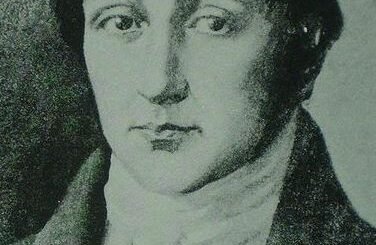
Hipólito Yrigoyen (1852–1933): Life and Major Accomplishments
Hipólito Yrigoyen, an iconic figure in Argentine history, was born on July 12, 1852, in Buenos Aires. His full name, Juan Hipólito del Sagrado Corazón de Jesús Yrigoyen, reflects the deeply rooted cultural and religious influences in his upbringing.
Yrigoyen came from a middle-class family of Basque origin, with his father, Martín Yrigoyen, being involved in small-scale commerce. The early years of Yrigoyen’s life were marked by modesty, but he demonstrated a keen interest in education and public affairs.

Hipólito Yrigoyen served two terms (1916–1922, 1928–1930) and championed progressive social and labor reforms. Image: A picture of Yrigoyen during the 1920s.
Early Life and Influences
Educated primarily in Buenos Aires, Yrigoyen began his career as a schoolteacher, a role that shaped his views on the importance of public education and social development.
His early exposure to the realities of Argentine society fueled his desire to contribute to social justice and political reform. Yrigoyen’s uncle, Leandro N. Alem, was a significant political figure and one of the founders of the Radical Civic Union (UCR). Alem’s dedication to fighting against the entrenched conservative political elite had a profound influence on Yrigoyen and inspired his lifelong commitment to political activism and reform.
Political Beginnings and Rise within the Radical Civic Union
The Radical Civic Union, founded in the late 19th century, was born out of a desire to challenge the dominance of the conservative oligarchic regime that controlled Argentina’s political landscape.
Yrigoyen became deeply involved in the UCR, advocating for greater democratic participation and pushing back against electoral fraud, which was rampant at the time. His vision was rooted in creating a more inclusive political system that empowered the working class and promoted social equity.
Yrigoyen’s rise in the UCR was marked by his charismatic leadership and unwavering commitment to the principles of democracy and justice. Following Alem’s death in 1896, Yrigoyen emerged as the leader of the party and shifted its focus toward direct action and civil resistance. He believed that significant reform could not be achieved without fundamentally challenging the existing power structures.
Achieving the Presidency and Democratic Milestones
A landmark moment in Argentine history came with the passage of the Sáenz Peña Law in 1912, which established secret, universal, and mandatory male suffrage. This law was a direct response to the persistent efforts of Yrigoyen and the UCR to democratize the electoral process. The law paved the way for fairer elections, breaking the hold of the conservative elite over Argentine politics and allowing for greater representation.
In 1916, Yrigoyen became the first president of Argentina to be elected under this new democratic system. His victory represented a seismic shift in Argentine politics, signaling the end of the conservative era and the rise of a new political force centered on reform and inclusion.
Policies and Social Reforms
During his first term (1916–1922), Yrigoyen focused on implementing a range of progressive social reforms aimed at improving the quality of life for the working class and fostering social stability.
He championed labor rights, instituting measures to regulate working conditions and establish an eight-hour workday. His administration also implemented compulsory pensions, which provided a safety net for older workers and those unable to work.
One of Yrigoyen’s most notable achievements was the promotion of public education. He believed that education was essential for national progress and worked to expand access to schools and improve educational infrastructure across Argentina. This policy underscored his commitment to empowering citizens through knowledge and ensuring that social mobility was attainable.
Yrigoyen’s government also prioritized national economic control. He was a staunch nationalist who believed that Argentina needed to manage its own resources and limit foreign influence. This belief led him to advocate for greater control over the nation’s oil industry and transportation systems.
While these measures earned him praise from nationalist circles, they also drew criticism from powerful economic elites who viewed his policies as detrimental to their interests.

Political Challenges and Opposition
Yrigoyen’s administration was not without its challenges. His leadership style, which emphasized executive power, faced criticism from conservative and opposition groups. They accused him of overreaching and marginalizing the legislative branch. This polarization fueled tensions within Argentine society, with Yrigoyen’s supporters viewing him as a protector of the common people and his detractors portraying him as an authoritarian leader.
One of the most contentious aspects of Yrigoyen’s presidency was his use of federal interventions to maintain order and assert control over provinces where political disputes threatened stability. These interventions were met with resistance from opposition leaders who argued that they undermined the federal balance of power. Despite these criticisms, Yrigoyen maintained that such actions were necessary to ensure national unity and uphold the principles of democracy.
Second Term and Economic Turmoil
Yrigoyen returned to power in 1928, reflecting his continued popularity among the Argentine people. However, his second term proved to be far more challenging than the first. The global economic downturn following the 1929 stock market crash had severe repercussions for Argentina.
The country’s economy, which had been heavily dependent on agricultural exports, suffered significant disruptions, leading to widespread social and economic unrest.
Yrigoyen’s administration struggled to address the economic crisis effectively, and his inability to stabilize the country heightened political tensions. Opposition forces, both within and outside the UCR, capitalized on the growing discontent, accusing Yrigoyen of mismanagement and inefficiency.
The increased polarization culminated in a military coup on September 6, 1930, led by General José Félix Uriburu. The coup marked the end of Yrigoyen’s presidency and represented the first major military intervention in modern Argentine politics, setting a precedent for future coups throughout the 20th century.
Legacy and Impact
Despite the abrupt and dramatic end to his political career, Yrigoyen’s influence on Argentine history remains significant. He is remembered as a champion of democratic principles and social reform. His policies laid the foundation for the advancement of labor rights and set a precedent for future social welfare programs. His commitment to empowering the working class and promoting public education helped shape the national consciousness around issues of equality and justice.
Yrigoyen’s legacy is also marked by the polarization that characterized his time in office. While he was celebrated by many as a progressive leader who stood against entrenched oligarchic power, his detractors viewed him as an overreaching executive whose policies threatened economic stability.
This dual legacy reflects the broader struggles within Argentina between progressive and conservative forces, a dynamic that continued to influence the country’s political trajectory long after Yrigoyen’s death on July 3, 1933.
Conclusion
Hipólito Yrigoyen’s life and political career encapsulate the challenges and achievements of a leader who sought to redefine Argentine politics. His commitment to democratic principles, social reform, and national sovereignty marked him as one of the most transformative figures in Argentina’s history.
Though his administration faced significant opposition and ultimately ended in a coup, the impact of his reforms and the democratic spirit he championed continued to resonate in Argentine politics and society for decades to come.
Frequently Asked Questions

Hipólito Yrigoyen was a prominent Argentine politician affiliated with the Radical Civic Union (UCR) who served as President of Argentina twice, from 1916 to 1922 and from 1928 to 1930. Image: A sketch of Yrigoyen by Eduardo Sojo.
What was significant about Yrigoyen’s election as president?
Yrigoyen was the first president in Argentina to be elected democratically through secret and mandatory male suffrage, as established by the Sáenz Peña Law of 1912.
Why was Yrigoyen known as “the father of the poor”?
He earned the nickname “the father of the poor” due to his dedication to implementing social policies that improved the standard of living for the working class and reduced inequality.
What were some of the progressive reforms Yrigoyen’s administration enacted?
Yrigoyen’s administration enacted reforms that regulated factory conditions, limited working hours, introduced compulsory pensions, and developed a universally accessible public education system.
What was Yrigoyen’s approach to Argentina’s economic policies?
His economic policies were nationalist in nature, emphasizing the importance of Argentina managing its own resources independently and reducing foreign influence over industries such as currency, transportation, and energy.
How did Yrigoyen’s presidency impact Argentine society?
His leadership brought significant social changes and empowered new social classes, particularly the middle class and urban workers, by promoting policies that shifted power away from the traditional elites.
What challenges did Yrigoyen face during his presidency?
He faced significant political polarization, with critics accusing him of an overbearing executive style and undermining legislative authority. Additionally, his second term was marked by economic difficulties exacerbated by the global Great Depression.
What led to the end of Yrigoyen’s second term as president?
Yrigoyen’s second term ended with a military coup on September 6, 1930, driven by economic troubles, widespread discontent, and opposition from political adversaries.
What was the significance of the 1930 coup that ousted Yrigoyen?
The 1930 coup marked the first successful military intervention in modern Argentine politics and set a precedent for future military involvement in the governance of the country throughout the 20th century.
How is Yrigoyen’s legacy viewed in Argentine history?
Despite the challenges and his eventual overthrow, Yrigoyen is remembered as a symbol of early 20th-century reform and democratic ideals. His efforts to promote social welfare, national sovereignty, and political participation left a lasting impact on Argentina’s political and social landscape.
His administration laid the groundwork for policies that prioritized social justice, national control over resources, and an inclusive approach to governance, influencing subsequent leaders and reformist movements in Argentina.