Major Faux Pas Made by U.S. Presidents
In July 2024 during the NATO summit in Washington, 46th U.S. President Joe Biden made a significant gaffe, mistakenly introducing Ukrainian President Volodymyr Zelenskyy as “President Putin” during his closing remarks. This slip-up drew global attention, fueling concerns about Biden’s age and its potential impact on his leadership and U.S. foreign policy.
The office of the President of the United States is one of immense responsibility, influence, and scrutiny. Throughout history, U.S. Presidents have often found themselves in the spotlight for not only their policy decisions but also their personal and professional missteps.
These faux pas can range from diplomatic blunders to personal scandals, each leaving an indelible mark on the presidency and, sometimes, on the nation’s history.
In the article below, American historians at World History Edu explore some of the most significant faux pas made by U.S. Presidents, examining their contexts, consequences, and the lessons learned.
Thomas Jefferson and the Embargo Act of 1807
Thomas Jefferson, the third President of the United States, made a significant miscalculation with the Embargo Act of 1807. This act was intended to pressure Britain and France, who were then at war, to respect American neutrality and maritime rights. However, the embargo backfired, severely damaging the U.S. economy while having little effect on Britain and France. American merchants, especially in New England, suffered enormous losses, leading to widespread smuggling and economic depression. Jefferson’s inability to foresee the domestic economic impact and the ineffective enforcement mechanisms were critical errors.
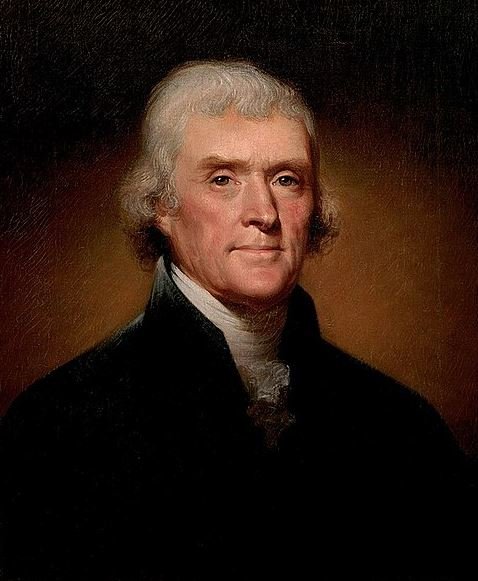
Image: A portrait of Thomas Jefferson
James Buchanan and the Inaction before the Civil War
James Buchanan, the 15th President, is often criticized for his inaction in the face of the secession crisis. As Southern states began to secede following the election of Abraham Lincoln, Buchanan maintained that while secession was illegal, the federal government had no authority to prevent it. His indecisiveness and passivity during this critical juncture in American history are seen as major failures that allowed the nation to slide into civil war. Buchanan’s lack of strong leadership and his failure to address the growing divide are considered among the most significant missteps in presidential history.
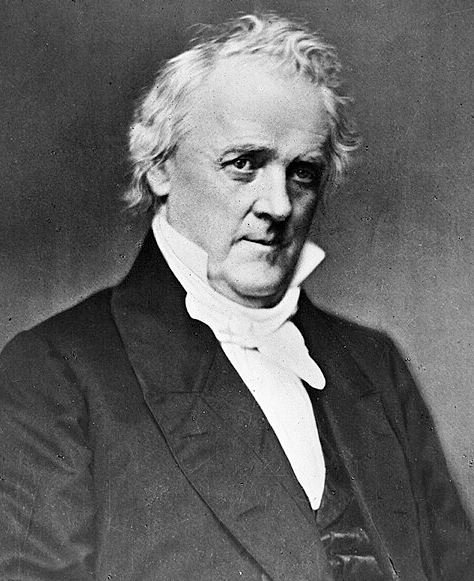
While these mistakes can tarnish legacies, they also offer valuable insights into the demands and pressures faced by those who lead the nation. Image: James Buchanan (1791 – 1868).
Andrew Johnson’s Reconstruction Policies
Following the assassination of Abraham Lincoln, Andrew Johnson assumed the presidency and faced the monumental task of Reconstruction. Johnson’s lenient approach towards the Southern states and his opposition to civil rights for freed slaves created significant tension with Congress. His vetoes of key legislation, such as the Civil Rights Act of 1866, and his opposition to the 14th Amendment, which granted citizenship to former slaves, led to his impeachment. Johnson’s failure to navigate the complex post-war landscape and his antagonistic relationship with Congress are seen as major blunders that hindered the nation’s recovery.
Warren G. Harding and the Teapot Dome Scandal
Warren G. Harding’s presidency is often remembered for the Teapot Dome scandal, one of the most significant political scandals in U.S. history. Harding’s Secretary of the Interior, Albert B. Fall, leased Navy petroleum reserves at Teapot Dome in Wyoming and two other locations to private oil companies without competitive bidding. In return, Fall received bribes in the form of cash, bonds, and livestock. The scandal, which came to light after Harding’s death, severely damaged the public’s trust in the government. Harding’s poor judgment in appointing corrupt officials and his lack of oversight were critical errors that overshadowed his presidency.
Herbert Hoover and the Great Depression
Herbert Hoover’s presidency was marred by the onset of the Great Depression. While the economic collapse was not entirely his fault, Hoover’s response was widely criticized. His adherence to laissez-faire economic policies and his reluctance to provide direct federal aid to struggling Americans were seen as inadequate and out of touch with the severity of the crisis. Hoover’s focus on voluntary measures and his belief in the self-regulating nature of the economy failed to address the widespread suffering, leading to a loss of public confidence and his eventual defeat in the 1932 election.

Image: A 1928 picture of Hoover.
Richard Nixon and Watergate
Richard Nixon‘s involvement in the Watergate scandal is one of the most infamous presidential faux pas. The scandal began with the break-in at the Democratic National Committee headquarters at the Watergate complex and the subsequent cover-up by Nixon’s administration. As investigations unfolded, it became clear that Nixon had been involved in the efforts to obstruct justice. The release of the White House tapes, which revealed Nixon’s knowledge of and participation in the cover-up, led to his resignation in 1974. Watergate eroded public trust in the presidency and highlighted the dangers of unchecked executive power.
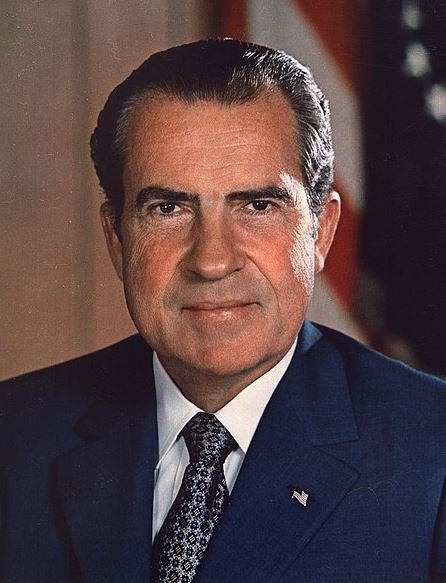
Image: A 1972 portrait of Nixon
Gerald Ford’s Pardon of Nixon
Gerald Ford, who succeeded Nixon, made a controversial decision to pardon his predecessor for any crimes he may have committed while in office. Ford believed the pardon was necessary to help the country move forward and heal from the Watergate scandal. However, the decision was widely criticized and seen as an attempt to shield Nixon from accountability. The pardon likely contributed to Ford’s loss in the 1976 presidential election and remains a contentious aspect of his legacy.
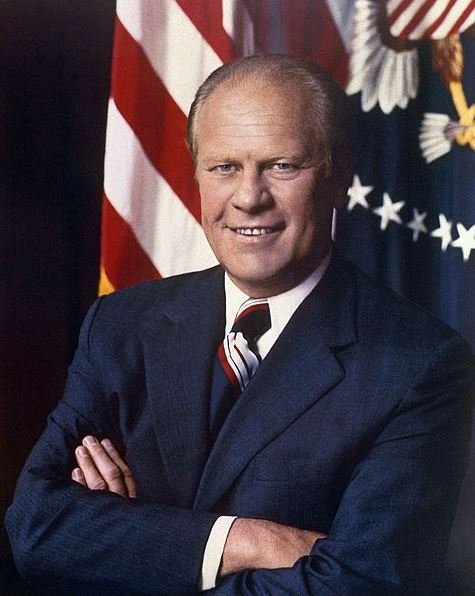
Image: An official portrait of Ford in 1974.
Jimmy Carter’s “Malaise” Speech
In July 1979, during a period of economic struggle and energy crisis, Jimmy Carter delivered a televised address that became known as the “malaise” speech. Although he never used the word “malaise,” Carter spoke about a crisis of confidence in the country. While he intended to rally the nation and address deeper issues beyond the energy crisis, the speech was perceived as overly negative and blaming the American people for the country’s problems. The speech failed to inspire confidence and contributed to the perception of Carter as a weak leader, which played a part in his defeat in the 1980 election.
10 things you should know about former U.S. President Jimmy Carter
Ronald Reagan and the Iran-Contra Affair
The Iran-Contra affair was a significant scandal during Ronald Reagan‘s presidency. The Reagan administration secretly facilitated the sale of arms to Iran, which was then embroiled in the Iran-Iraq War, in hopes of securing the release of American hostages. The funds from these sales were then diverted to support Contra rebels in Nicaragua, which was illegal under U.S. law. When the affair became public, it led to a major political scandal. Reagan claimed he was unaware of the diversion of funds, but the incident raised serious questions about the oversight and control within his administration.
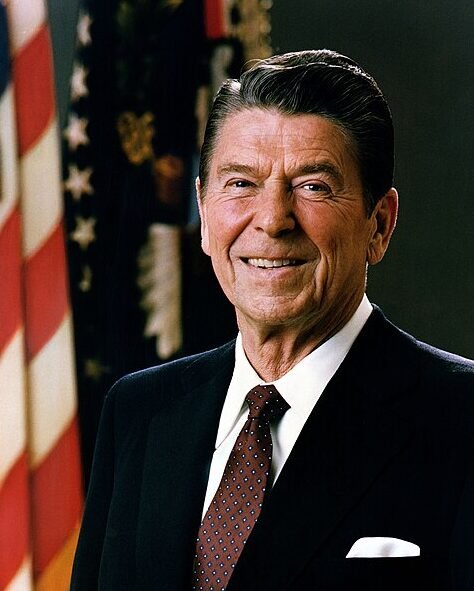
Image: Ronald Reagan (1911 – 2004)
Bill Clinton and the Monica Lewinsky Scandal
Bill Clinton’s affair with White House intern Monica Lewinsky and the subsequent attempt to cover it up led to his impeachment by the House of Representatives. Clinton initially denied the affair under oath, leading to charges of perjury and obstruction of justice. The scandal dominated the news and overshadowed much of his second term. While Clinton was acquitted by the Senate and remained in office, the scandal had lasting effects on his legacy and highlighted the vulnerabilities of personal misconduct in the highest office.
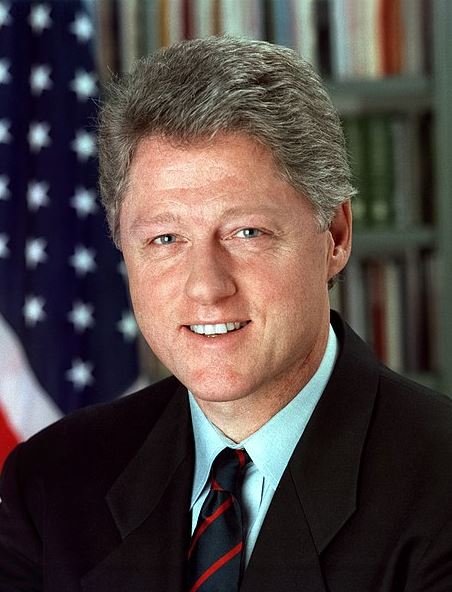
Image: A 1993 picture of Clinton.
George W. Bush and the Handling of Hurricane Katrina
The response to Hurricane Katrina in 2005 was a major faux pas for George W. Bush’s administration. The federal government’s slow and ineffective response to the disaster, which devastated New Orleans and surrounding areas, drew widespread criticism. Images of stranded residents and the inadequate conditions at the Superdome shelter became emblematic of the failure. Bush’s infamous remark to FEMA director Michael Brown, “You’re doing a heck of a job, Brownie,” was seen as out of touch with the reality on the ground. The administration’s handling of Katrina severely damaged Bush’s approval ratings and his presidency’s credibility.
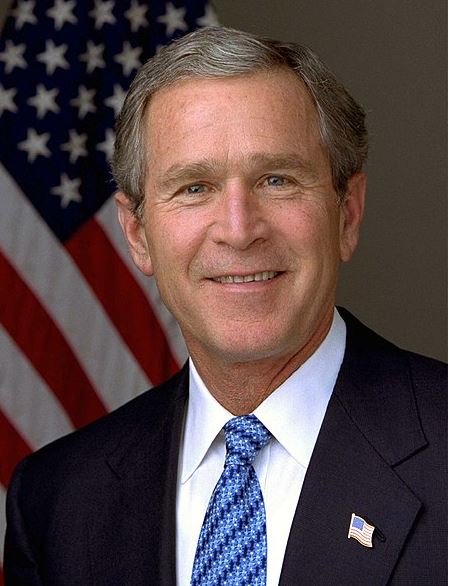
Image: George W. Bush in 2003
Barack Obama’s “Red Line” in Syria
In 2012, 44th U.S. President Barack Obama made a significant diplomatic blunder when he declared that the use of chemical weapons by the Assad regime in Syria would cross a “red line” and result in significant consequences. However, when chemical weapons were used in Syria, the Obama administration did not take the decisive military action that many had expected. Instead, a deal was brokered with Russia to dismantle Syria’s chemical weapons arsenal. While the deal had some success, the perceived lack of follow-through on the “red line” commitment was criticized as a weakness in U.S. foreign policy and damaged Obama’s credibility.
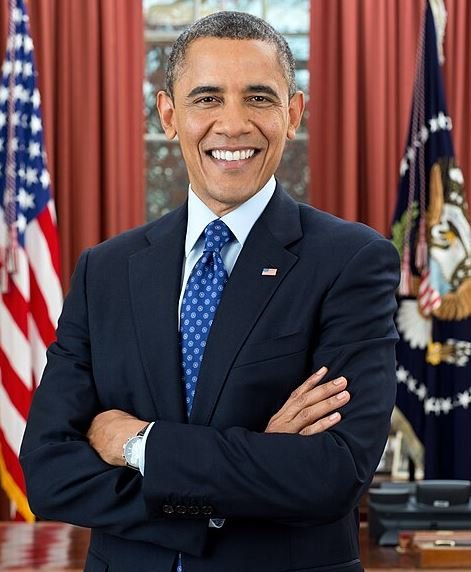
Image: An official portrait of Obama in 2012.
Donald Trump and the Handling of the COVID-19 Pandemic
President Donald Trump‘s handling of the COVID-19 pandemic has been widely criticized as a significant misstep. Early downplaying of the virus’s severity, inconsistent messaging, and conflicts with public health officials contributed to a chaotic response. The lack of a coordinated federal strategy and delays in testing and PPE distribution exacerbated the crisis. Trump’s public dismissals of the seriousness of the virus and promotion of unproven treatments further undermined efforts to combat the pandemic. The handling of COVID-19 had severe public health and economic repercussions and played a significant role in the outcome of the 2020 election.

Image: Trump in 2017.

President Warren G. Harding: 5 Horrendous Scandals that plagued his Presidency





