Major General Thomas Conway: Life and Military Career
Major General Thomas Conway was a complex and controversial figure whose life and military career spanned both the American Revolutionary War and the political turmoil of the French Revolution. Born in Ireland, Conway’s ambition and talent in military strategy led him to join the French army, ultimately bringing him to America to serve the Continental Army. His involvement in the Conway Cabal, a political intrigue aimed at undermining George Washington’s command, left a controversial legacy. Despite his accomplishments, Conway’s story is marked by conflict, shifting allegiances, and a struggle for recognition.
Early Life and Military Background in France
Thomas Conway was born on February 27, 1735, in County Kerry, Ireland, to James and Julieanne Conway. Raised in a Catholic family, Conway’s family moved to France when he was a child, likely to escape the political and religious oppression faced by Catholics in Ireland at that time. Conway grew up in France and, at the age of 14, joined the Irish Brigade of the French Army, an elite group of Irish soldiers fighting for France. This brigade offered Irishmen a place to build a military career outside British influence, providing Conway with opportunities not available in Ireland.
Conway quickly proved himself within the ranks of the French military. By 1772, he had risen to the rank of colonel, a remarkable achievement for someone of his background. His rise demonstrated his dedication, skill, and military acumen. By the time the American Revolution began, Conway had established a solid reputation as a capable officer in the French Army. The growing revolution in America presented a new opportunity for him to advance his career further while supporting a cause that aligned with his anti-British sentiments.
Joining the American Continental Army
In 1777, Conway expressed interest in joining the Continental Army, and with an endorsement from Silas Deane, an American diplomat in France, he volunteered to serve in the Revolutionary War. Conway’s arrival in America coincided with a critical period in the war, and he was promptly appointed as a brigadier general by the Continental Congress in May 1777. His European military experience was highly valued, and he was assigned to serve under George Washington, commander-in-chief of the Continental Army.
At the Battle of Germantown in October 1777, Conway commanded the leading brigade on the American right flank, demonstrating both courage and effectiveness. His actions were praised, further building his reputation as a competent leader. However, Conway’s ambitions soon caused friction within the Continental Army. He sought a promotion to major general, a request that Washington opposed, believing that more senior, American-born officers deserved the rank over Conway. Washington’s opposition marked the beginning of a growing rift between the two men.
Despite Washington’s objections, Congress promoted Conway to major general in December 1777 and appointed him as Inspector General of the Army. This position gave Conway significant influence over army organization and training. However, his promotion intensified the animosity between him and Washington, as the decision seemed to override Washington’s authority. This tension laid the groundwork for what would become known as the Conway Cabal.
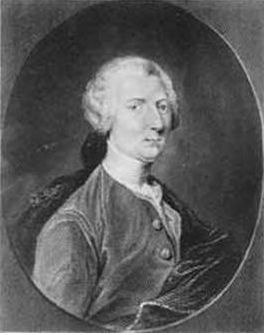
Image: Thomas Conway
The Conway Cabal
The “Conway Cabal” was an informal series of political maneuvers and criticisms aimed at undermining George Washington’s command. While not a structured conspiracy, it reflected a faction of officers and congressmen who believed Washington was not effectively leading the army. Conway became a focal point of this controversy after writing a letter to General Horatio Gates, who had recently achieved victory at Saratoga. In the letter, Conway criticized Washington as a “weak general,” blaming him for the army’s struggles and praising Gates’s leadership.
One of Conway’s most notable remarks in this letter read, “Heaven has been determined to save your country; or a weak general and bad counselors would have ruined it.” This quote suggested that Washington’s leadership was a liability, an opinion Conway shared with others in private but not openly. However, the letter’s contents were accidentally revealed by Brigadier General James Wilkinson, an aide to Gates, during a drunken conversation with General William Alexander (Lord Stirling). Stirling immediately relayed the information to Washington, who became aware of Conway’s criticism and suspected a conspiracy.
Outraged, Washington confronted Conway in a letter, quoting his remarks and questioning his loyalty. Although Conway denied using those exact words, the damage was done. The incident became public, and the cabal quickly escalated into a major scandal. Supporters of Washington rallied to his side, while those critical of his leadership found themselves isolated. Conway’s reputation suffered as Washington’s allies branded him as an ambitious officer attempting to destabilize the Continental Army’s command.
Washington’s opposition to Conway and the cabal highlighted the division between certain military and congressional factions. General Horatio Gates, a political figure in his own right, was considered by some as a potential replacement for Washington. Gates’s victory at Saratoga had boosted his reputation, and Conway’s endorsement of Gates only fueled suspicions of a campaign to replace Washington. However, the cabal’s lack of organization and Conway’s direct criticism of Washington weakened any substantial support for this shift in command.
Resignation and Duel with John Cadwalader
As public scrutiny of the Conway Cabal grew, Conway’s position became increasingly untenable. In March 1778, Conway offered his resignation, possibly as a tactic to garner sympathy or force Congress to reconsider his value. However, this time Congress accepted his resignation, and Conway found himself out of a command. The fallout from the cabal had damaged his standing within the Continental Army, and he quickly became an outcast.
In July 1778, Conway’s involvement in the cabal led to a dramatic confrontation with General John Cadwalader, a close ally of Washington. Cadwalader challenged Conway to a duel, seeking to defend Washington’s honor and respond to Conway’s criticisms. During the duel, Cadwalader shot Conway in the mouth, a wound so severe that it caused the bullet to exit through the back of his head. Believing he was on his deathbed, Conway wrote a letter of apology to Washington, admitting to his faults and praising Washington as a “great and good man.” Surprisingly, Conway survived his injury but chose to leave the United States and return to France, ending his involvement in the American Revolution.
Later Life and Return to France
Upon his return to France, Conway resumed his military career, leveraging his experience in the American Revolution to secure a position within the French Army. In 1787, he was promoted to the rank of Maréchal-de-camp (major general) and was appointed governor of French colonies in India, although he did not serve in this role for long due to the turbulent political situation in France. When the French Revolution erupted in 1789, Conway’s loyalty was called into question as political factions divided the country.
By 1793, Conway had joined the royalist forces fighting against the revolutionary government in southern France. The revolutionaries, viewing him as a traitor, condemned him to death. However, Conway managed to escape this fate by appealing for protection to Great Britain, which had once been his enemy during the American Revolutionary War. This ironic twist marked a significant shift in Conway’s life, as he now sought refuge with the British in opposition to revolutionary France.
In 1794, with the support of British Prime Minister William Pitt the Younger, Conway was appointed commander of one of six regiments in an Irish Brigade formed to support the British cause. Although his military experience remained respected, his health had begun to decline. He visited the spa town of Bath, Somerset, in hopes of recovery, frequently seeking treatment there. His final visit was recorded on February 12, 1795, and he passed away soon after, on March 3, 1795. Conway was interred in Bath Abbey, though his exact burial location was later obscured by renovations.
Personal Life and Legacy
Thomas Conway married François Antoinette Langlois du Bouchet on June 1, 1775, in France. She later held the title Countess de Conway. Together, they had a daughter, Caroline, born in 1776. After Conway’s death, his wife received a government pension, a testament to his rank and service.
The Conway Cabal left a complex legacy for Conway. While he was undoubtedly a talented military leader, his ambition and willingness to criticize George Washington publicly cast him in a controversial light. His involvement in the cabal underscored the factionalism within the Continental Army and Congress, with some officials believing that Washington’s failures warranted a change in leadership. The cabal highlighted internal divisions but ultimately strengthened Washington’s command, as supporters rallied around him in the wake of the controversy.
Conway’s later career, including his royalist sympathies during the French Revolution and subsequent appeal to Great Britain, illustrated the contradictions that defined his life. Although he fought for independence and served multiple nations, his allegiance shifted according to his circumstances, demonstrating both his adaptability and his ambition. His involvement in the Conway Cabal remains a significant, albeit controversial, episode in American Revolutionary history, revealing the challenges Washington faced in maintaining unity within the fledgling nation.
Ultimately, Conway’s life reflects the complexities of loyalty, ambition, and identity that characterized many figures in the Revolutionary era. Although he contributed to the American cause, his criticisms of Washington and participation in the cabal overshadowed his achievements, leaving him a divisive figure remembered as much for his ambition and shifting allegiances as for his military prowess.
Frequently Asked Questions

What was Thomas Conway’s background before joining the Continental Army?
Thomas Conway was born in County Kerry, Ireland, and moved with his family to France as a child. At 14, he joined the Irish Brigade in the French Army and quickly rose through the ranks, becoming a colonel by 1772. This early success established him as a respected officer in France.
How did Conway come to serve in the American Revolutionary War?
Conway volunteered for service in the Continental Army in 1777, with a recommendation from American diplomat Silas Deane. He was appointed a brigadier general and served under George Washington, commanding a brigade at the Battle of Germantown where he performed admirably.
Why did Conway’s promotion to major general cause tension with Washington?
Washington opposed Conway’s promotion to major general, believing that American-born officers with longer service were more deserving. However, Congress promoted Conway despite Washington’s objections, marking the beginning of a strained relationship between the two men.
What was the “Conway Cabal,” and how did Conway become involved?
The “Conway Cabal” refers to political and military intrigue criticizing Washington’s leadership. Conway wrote a letter to General Horatio Gates, in which he called Washington a “weak general.” This letter was intercepted, sparking public scandal and leading Washington to confront Conway.
What was the outcome of the Conway Cabal?
The cabal, though informal, highlighted discontent with Washington and led some to consider Gates as an alternative leader. Conway’s criticism, however, cost him his command, and he ultimately resigned from the Continental Army in March 1778.
What happened during Conway’s duel with John Cadwalader?
In July 1778, Cadwalader, a Washington supporter, challenged Conway to a duel. Cadwalader shot Conway in the mouth, leaving him injured. Believing he was dying, Conway wrote an apology to Washington, referring to him as a “great and good man.”
What did Conway do after leaving the American army?
Conway returned to France, resuming his military career. In 1787, he became a Maréchal-de-camp and governor of French colonies in India. During the French Revolution, he joined royalist forces opposing the revolutionary government, eventually seeking British protection to avoid execution.
How did Conway’s personal life unfold?
Conway married François Antoinette Langlois du Bouchet, later titled the Countess de Conway, and had a daughter named Caroline. After his death in 1795, François continued to receive a government pension, recognizing Conway’s rank and service.
What legacy did the Conway Cabal leave?
The cabal marked Conway as a divisive figure in American history. While he contributed to the Continental Army, his ambition and opposition to Washington left him with a tarnished reputation. Ironically, the cabal ultimately strengthened Washington’s command, uniting his supporters in the wake of the controversy.





