Historical Landmarks in Ghana
Ghana, located along the Gulf of Guinea and the Atlantic Ocean, is a country rich in history, culture, and heritage. From ancient castles that bear witness to the transatlantic slave trade to grand mausoleums honoring national heroes, Ghana’s historical landmarks offer profound insights into its past. These sites not only attract tourists from around the world but also serve as poignant reminders of the country’s journey through colonization, independence, and modern development.
History of Ghana and how it became an influential player in the decolonization of Africa
In this article, West African historian Maame Aba presents ten of the most significant historical landmarks in Ghana, each with its unique story and importance.
Cape Coast Castle
Location: Cape Coast, Central Region
Historical Significance: Cape Coast Castle is one of the most infamous symbols of the transatlantic slave trade. Constructed by the Swedish in 1653 and later controlled by the British, the castle served as a major hub where enslaved Africans were held before being shipped to the Americas. The castle’s dungeons, known as the “Door of No Return,” were the final point of departure for countless individuals forcibly removed from their homeland.
Architecture and Features: The castle’s imposing structure, with thick stone walls and watchtowers, was designed to withstand attacks and prevent escapes. Inside, the dungeons are stark and haunting, with narrow passages that led enslaved people to the ships. The castle also houses a museum that chronicles the brutal history of slavery, offering educational exhibits and personal stories of those who suffered within its walls.
Modern-Day Importance: Today, Cape Coast Castle stands as a UNESCO World Heritage Site and a place of remembrance and education. It serves as a powerful reminder of the atrocities of slavery and the resilience of the human spirit. Visitors can engage in guided tours that provide deep emotional and historical insights, making it a crucial site for both Ghanaian and global history. As of 2024, the entrance fee for a foreign adult is less than 3 USD.

Cape Coast Castle in 2023.
Elmina Castle
Location: Elmina, Central Region
Historical Significance: Elmina Castle, built in 1482 by the Portuguese under the orders of King John II, is the oldest European building in existence south of the Sahara. It played a pivotal role in the gold and slave trades, serving as the primary trading post for the Portuguese before other European powers established their own forts.
Architecture and Features: The castle boasts a classic Portuguese architectural style with thick walls, battlements, and a chapel. Over the centuries, it underwent various modifications by the Dutch, who took control in the 17th century. The interior includes dungeons where enslaved Africans were confined, as well as living quarters for the European traders.
Modern-Day Importance: Elmina Castle is also a UNESCO World Heritage Site and a significant pilgrimage site for descendants of enslaved Africans seeking to reconnect with their heritage. The castle hosts annual events like the Transatlantic Slave Trade Commemoration, fostering dialogue and reflection on the dark chapters of history.
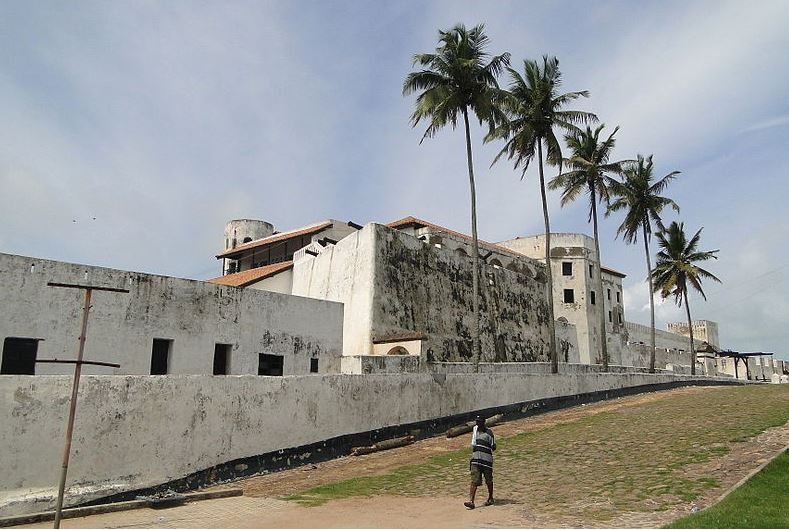
Image: A 2010 photo of Elmina Castle.
Kwame Nkrumah Mausoleum
Location: Accra, Greater Accra Region
Historical Significance: The Kwame Nkrumah Mausoleum honors Ghana’s first President and a leading figure in the country’s independence movement. Kwame Nkrumah was instrumental in Ghana achieving independence from British colonial rule in 1957 and played a significant role in Pan-Africanism.
Architecture and Features: The mausoleum complex features a large black granite statue of Nkrumah, symbolizing his enduring legacy. The site includes a museum that houses personal items, photographs, and documents related to Nkrumah’s life and Ghana’s independence struggle. Surrounding gardens and fountains enhance the serene environment, making it a place for both remembrance and reflection.

Modern-Day Importance: As a national monument, the Kwame Nkrumah Mausoleum is a focal point for state ceremonies and public gatherings. It serves as an educational hub where visitors can learn about Ghana’s journey to independence and Nkrumah’s vision for the nation. The mausoleum underscores the importance of leadership and the impact of one individual’s dedication to national sovereignty.
W.E.B. Du Bois Center
Location: Accra, Greater Accra Region
Historical Significance: The W.E.B. Du Bois Center commemorates the life and work of William Edward Burghardt Du Bois, an African-American sociologist, historian, and civil rights activist. Du Bois spent his final years in Ghana, where he became a citizen and continued his advocacy for African unity and Pan-Africanism until his death in 1963.
Architecture and Features: The center is housed in Du Bois’s former home, which has been meticulously preserved to reflect his personal life and intellectual pursuits. It includes exhibits on his contributions to sociology, his role in the Pan-African movement, and his interactions with Ghanaian leaders like Kwame Nkrumah.
Modern-Day Importance: As a research institute and museum, the W.E.B. Du Bois Center serves as a bridge between African and African-American histories. It promotes scholarship, hosts conferences, and provides resources for those interested in Du Bois’s legacy and the broader themes of racial equality and African diaspora studies.

Manhyia Palace
Location: Kumasi, Ashanti Region
Historical Significance: Manhyia Palace is the seat of the Asantehene, the paramount chief of the Ashanti people, one of Ghana’s most influential ethnic groups. The palace is not only a royal residence but also a symbol of the Ashanti Kingdom’s rich heritage and political significance.
Architecture and Features: The palace complex is an architectural marvel, blending traditional Ashanti designs with modern elements. It includes ceremonial halls, royal chambers, and museums that display Ashanti artifacts, regalia, and historical documents. The intricate carvings and vibrant colors reflect the cultural artistry of the Ashanti people.

Modern-Day Importance: Manhyia Palace plays a central role in preserving and promoting Ashanti culture. It hosts important cultural events, traditional ceremonies, and state functions. The palace museum is a key attraction for tourists seeking to understand the Ashanti Kingdom’s history, governance, and contributions to Ghana’s national identity.
Larabanga Mosque
Location: near Tamale, Northern Region
Historical Significance: The Larabanga Mosque, believed to have been built in the 15th century, is one of the oldest and most well-preserved mosques in West Africa. It represents the early spread of Islam in the region and the architectural ingenuity of the Sudanese style, characterized by mud and timber construction.
Architecture and Features: The mosque features a large, conical tower, intricate wooden latticework, and thick mud walls designed to withstand the region’s harsh climate. Its design allows for natural ventilation, keeping the interior cool despite the intense heat outside. The mosque has undergone restoration to preserve its original structure and maintain its historical integrity.
Modern-Day Importance: Larabanga Mosque is not only a place of worship but also a cultural heritage site attracting visitors interested in Islamic architecture and Ghanaian history. It stands as a testament to the enduring legacy of early Islamic influence in Ghana and serves as a symbol of religious tolerance and cultural diversity.

Image: A picture of the Larabanga Mosque in 2011.
Fort St. Jago
Location: Accra, Greater Accra
Historical Significance: Fort St. Jago, originally built by the British in 1721, was later occupied by the Dutch and served various purposes, including as a military barracks and administrative center. It played a strategic role in colonial defense and governance during the 18th and 19th centuries.
Architecture and Features: The fort features sturdy stone walls, battlements, and watchtowers typical of European military architecture. Over the years, it has been repurposed for different functions, including housing government offices. The surrounding grounds include remnants of the original structure, offering a glimpse into its historical uses.
Modern-Day Importance: Today, Fort St. Jago is a cultural and historical site that hosts exhibitions, events, and educational programs. It symbolizes the colonial past of Ghana and serves as a venue for cultural preservation and community activities. The fort’s transformation from a military installation to a cultural center reflects Ghana’s journey towards independence and self-determination.
Lake Bosumtwi
Location: Ashanti Region
Historical Significance: Lake Bosumtwi is one of the world’s few natural lakes formed within a meteorite impact crater, estimated to have been created around 1.07 million years ago. It holds significant cultural importance for the Ashanti people, who believe it to be a sacred site associated with the origin of their first king, Osei Tutu.
Natural and Cultural Features: Surrounded by lush forests and rolling hills, Lake Bosumtwi is renowned for its stunning natural beauty and biodiversity. The lake is a source of freshwater and sustains various species of fish, making it vital for the local economy and ecology. Culturally, it is central to Ashanti rituals and festivals, including the annual Akwasidae festival, where the Ashanti king pays homage to the lake’s spiritual significance.
Modern-Day Importance: Lake Bosumtwi is a popular destination for eco-tourism, offering activities such as boating, fishing, and bird watching. Its unique geological formation and serene environment attract scientists and nature enthusiasts alike. Efforts to preserve its ecological balance are ongoing, ensuring that the lake remains a pristine and vital resource for future generations.
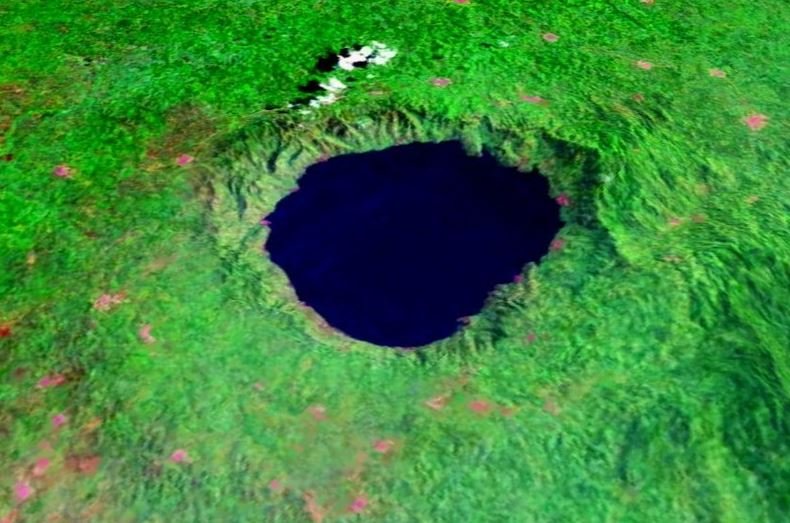
Image: Lake Bosumtwi
Nzulezo Village
Location: Western Region
Historical Significance: Nzulezo Village is a unique stilt village situated on the edge of Lake Tadane in the Western Region of Ghana. The village was founded in the late 19th century by fishermen seeking refuge from conflicts and has since developed into a vibrant community with a rich cultural heritage.
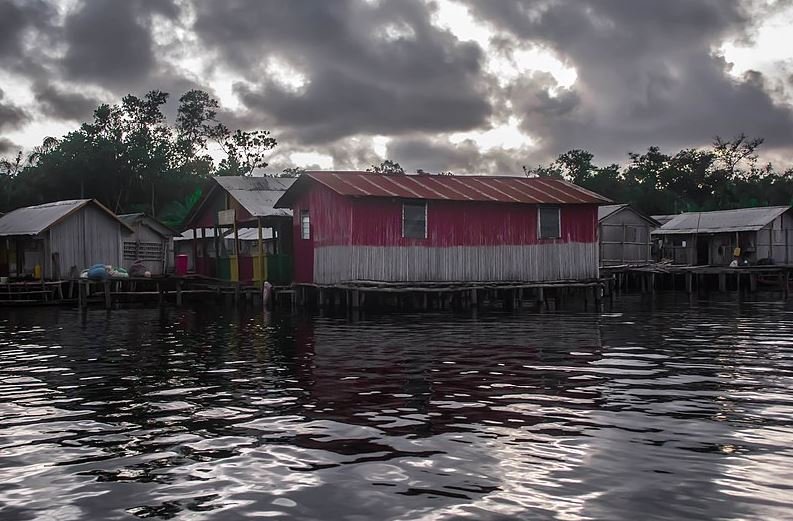
Architecture and Features: Built entirely on stilts, Nzulezo’s wooden structures are ingeniously adapted to the lake environment, providing protection against flooding and predators. The village comprises homes, schools, churches, and marketplaces, all interconnected by wooden walkways. The use of local materials and traditional building techniques highlights the community’s resilience and adaptability.
Modern-Day Importance: Nzulezo Village is a significant tourist attraction, offering visitors a glimpse into a unique way of life that harmonizes with the natural environment. Guided tours educate visitors about the village’s history, culture, and sustainable living practices. The village also serves as a model for eco-friendly architecture and community-based tourism, promoting conservation and economic development.
Fort Prinzenstein
Location: Moree, Central Region
Historical Significance: Fort Prinzenstein, originally built by the Dutch in the early 18th century, served as a trading post and fortification to protect their interests in the region. It was named after the Dutch Prince of Orange and later came under British control. The fort played a crucial role in the trade dynamics between European powers and local African traders.
Architecture and Features: The fort features robust stone walls, bastions, and a central courtyard typical of colonial military architecture. It includes a prison where enslaved Africans were held before being transported across the Atlantic. The interior houses a museum that displays artifacts related to the fort’s history, including weaponry, trade goods, and personal items from the colonial era.
Modern-Day Importance: Fort Prinzenstein is a UNESCO World Heritage Site and a powerful reminder of the transatlantic slave trade’s impact on Ghana and the broader African continent. It serves as an educational center where visitors can learn about the complexities of colonial history, trade, and resistance. The fort’s preservation efforts ensure that its historical narratives remain accessible to future generations.
Conclusion
Ghana’s historical landmarks are more than mere structures; they are living testimonies to the country’s rich and multifaceted history. From the somber corridors of Cape Coast and Elmina Castles, which echo the horrors of the slave trade, to the grand Mausoleum of Kwame Nkrumah celebrating independence and leadership, each site holds profound significance. The Manhyia Palace and Larabanga Mosque showcase the cultural and religious diversity that has shaped Ghana, while Fort St. Jago and Fort Prinzenstein reveal the strategic importance of the region during colonial times.





