What is the significance of the 1948 Accra Riots?
The Accra Riots of February 28, 1948, marked a pivotal moment in the history of the Gold Coast (present-day Ghana) as it moved toward independence from British colonial rule. These riots, triggered by a combination of economic grievances, political activism, and the struggles of ex-servicemen from World War II, underscored the broader tensions and discontent that had been building for years under colonial governance.
Background to the Riots
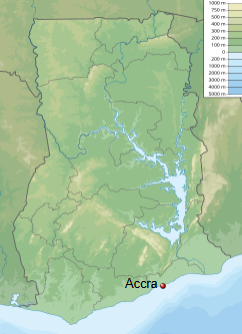
Location of the Accra Riots (1948)
By the late 1940s, economic hardships and social inequalities in the Gold Coast had reached critical levels. One of the key issues was the monopolistic control of trade and commerce by European firms, which manipulated prices and limited opportunities for local traders. These firms, collectively known as the Association of West African Merchants (AWAM), dominated the import market, selling goods at highly inflated prices. This situation exacerbated the economic struggles faced by the local population, already burdened by post-war austerity and rising costs of living.
The plight of World War II veterans from the Gold Coast Regiment of the Royal West African Frontier Force was another source of tension.
In January 1948, Nii Kwabena Bonne III, the Ga chief of Osu, spearheaded a boycott of European imports to protest these exploitative practices. The boycott, which lasted several weeks, aimed to pressure AWAM to reduce prices and provide fairer market conditions for the Gold Coast’s people. This economic activism was a bold move against colonial authorities and European traders, setting the stage for further unrest.
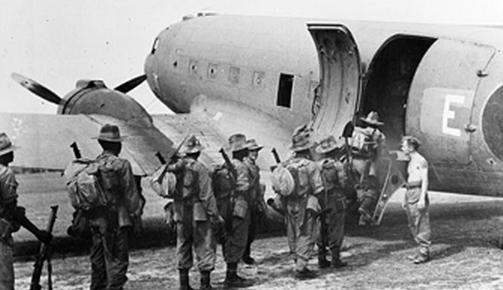
Troops of the RWAFF on active service in Burma 1944
Meanwhile, the plight of World War II veterans from the Gold Coast Regiment of the Royal West African Frontier Force (RWAFF) was another source of tension. These ex-servicemen, who had fought valiantly alongside British troops in Burma and other theaters of war, returned home to find broken promises. The colonial government had failed to deliver on commitments of pensions, jobs, and reintegration support. These veterans became increasingly vocal, organizing protests to demand what they were owed.
The 28 February March and Riot
On February 28, 1948, a group of unarmed ex-servicemen organized a peaceful march to present their grievances to the colonial Governor, Sir Gerald Creasy. The march was a culmination of growing frustration over the government’s inaction regarding their promised benefits. Led by figures such as Sergeant Nii Adjetey, Corporal Patrick Attipoe, and Private Odartey Lamptey, the veterans sought justice and recognition for their wartime sacrifices.
As the protesters approached Christiansborg Castle, the Governor’s residence, they were intercepted by colonial police forces. The police, acting under orders from Superintendent Colin Imray, blocked their path and demanded they disperse. When the protesters refused to retreat, Superintendent Imray reportedly panicked and opened fire, killing the three leading veterans and injuring several others.
The killing of these unarmed ex-servicemen shocked the local population and ignited widespread outrage. Crowds in Accra erupted in protest, targeting colonial institutions and European-owned businesses. Rioters looted stores, attacked symbols of colonial authority, and demanded justice for the slain veterans. The unrest quickly spread beyond Accra, engulfing other towns and cities in the Gold Coast.
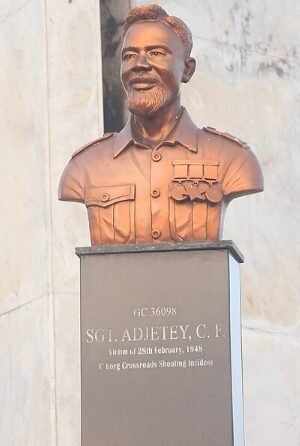
Sergeant Cornelius Adjetey, a Ghanaian WWII veteran, was killed with Corporal Attipoe and Private Lamptey during a protest, sparking the 1948 Accra riots against colonial rule. Image: Bust of Sergeant Adjetey
The Role of the United Gold Coast Convention (UGCC)
The political leadership of the Gold Coast, represented by the United Gold Coast Convention (UGCC), played a significant role in the aftermath of the riots. The UGCC, led by prominent activists including the “Big Six” (Kwame Nkrumah, J. B. Danquah, Ebenezer Ako-Adjei, Edward Akufo-Addo, Emmanuel Obetsebi-Lamptey, and William Ofori Atta), capitalized on the crisis to push for political reform.

The 1948 Accra Riots are remembered as a pivotal moment in Ghana’s independence struggle, symbolizing the sacrifices of veterans and ordinary citizens against colonial oppression. Image: Kwame Nkrumah – Ghana’s First President
On the same day as the riots, the UGCC sent a telegram to the British Secretary of State for the Colonies, accusing Governor Creasy of mishandling the situation and calling for immediate constitutional reforms. They demanded a government that was representative of the people and their chiefs, highlighting the failures of the colonial administration.
The UGCC’s call for change resonated with the population, further mobilizing support for the nationalist movement. However, the colonial government responded by arresting the Big Six on March 12, 1948, accusing them of inciting the riots. Although they were detained for a month, their arrest only elevated their status as national heroes and strengthened the push for independence.
Kwame Nkrumah: History, Major Facts & 10 Memorable Achievements
The Aftermath and the Watson Commission
In the wake of the riots, the British colonial government established the Watson Commission to investigate the causes of the unrest. The commission’s findings were a scathing indictment of colonial policies, particularly the 1946 constitution, which it deemed inadequate for addressing the needs and aspirations of the Gold Coast’s people.
The Watson Commission recommended significant constitutional reforms, including the drafting of a new constitution that would grant greater self-governance to the colony. To this end, a 40-member committee was formed to draft the new constitution. However, key figures like Kwame Nkrumah were excluded from the committee due to their radical views on immediate independence.
The exclusion of Nkrumah and other progressive leaders from the constitutional drafting process led to a split within the UGCC. By 1949, Nkrumah had broken away to form the Convention People’s Party (CPP), advocating for “Self-Government Now” through a campaign of Positive Action. This shift marked the beginning of a more assertive and grassroots-driven independence movement.

The 1948 Accra Riots were triggered by grievances over high prices, poor living conditions, and the killing of ex-servicemen protesting for pensions. These events intensified demands for independence and marked a turning point in the nationalist struggle. Image: A 1948 stamp of The Gold Coast showing the Christiansborg Castle (Osu Castle)
The Road to Independence
The events of February 28, 1948, served as a turning point in the struggle for independence in the Gold Coast. The deaths of Sergeant Adjetey, Corporal Attipoe, and Private Lamptey became a rallying cry for the nationalist movement, symbolizing the sacrifices made in the pursuit of justice and equality.
Over the next decade, the momentum for independence grew, with the CPP emerging as the dominant political force. Through strikes, protests, and negotiations, the people of the Gold Coast continued to pressure the British government for self-rule. Finally, on March 6, 1957, the Gold Coast became the first African colony to achieve independence, taking the name Ghana in honor of the ancient Ghana Empire.
Kwame Nkrumah, who had played a central role in the independence movement, became the country’s first Prime Minister and later its first President.

The legacy of the Accra Riots and the sacrifices of those who participated in the struggle were enshrined in the history of Ghana as a testament to the power of collective action and resilience. Image: Flag of Ghana
Legacy of the Accra Riots
The Accra Riots highlighted the interconnectedness of economic, social, and political grievances under colonial rule. The events underscored the importance of unity and organization in challenging systemic oppression and demanding change. The riots also demonstrated the critical role of ex-servicemen, whose experiences during the war and subsequent marginalization gave them a unique perspective on issues of justice and equality.
Today, the sacrifices of Sergeant Nii Adjetey, Corporal Patrick Attipoe, and Private Odartey Lamptey are commemorated in Ghana as symbols of the nation’s journey toward freedom. Monuments and memorials in Accra serve as reminders of the pivotal moment when ordinary citizens and veterans stood up against colonial oppression, paving the way for a new era of independence and self-determination.
History of Ghana and how it became an influential player in the decolonization of Africa
Frequently Asked Questions about the 1948 Accra Riots

The courage and sacrifices of the protesters during the 1948 Accra Riots continue to inspire generations, serving as a powerful reminder of the enduring quest for justice and freedom. Image: Monument to soldiers killed during the 1948 Accra riots
What caused the 1948 Accra Riots?
The riots were triggered by the killing of three unarmed ex-servicemen during a peaceful march to present grievances over unpaid pensions and lack of promised jobs after World War II.
Who were the key figures killed during the riots?
The three veterans killed were Sergeant Nii Adjetey, Corporal Patrick Attipoe, and Private Odartey Lamptey.
What role did ex-servicemen play in the riots?
The ex-servicemen, disillusioned by unfulfilled promises from the colonial government, organized the peaceful march to demand their entitlements, sparking the riots after police intervention.
How did the riots impact the nationalist movement?
The riots intensified anti-colonial sentiment, raised support for the United Gold Coast Convention (UGCC), and led to the arrest of the Big Six, making them national heroes.
The Accra Riots were not just an isolated incident but a culmination of long-standing grievances against colonial exploitation and inequality. They set in motion a chain of events that ultimately led to the birth of Ghana as an independent nation. Image: Kwame Nkrumah’s political party, the Convention People’s Party (CPP) Convention People’s Party logo and slogan
What was the British colonial response to the riots?
The British government declared a state of emergency, imposed press censorship, and established the Watson Commission to investigate the causes of the riots.
What were the findings of the Watson Commission?
The commission criticized the colonial government’s 1946 constitution, recommended constitutional reforms, and called for increased self-governance for the Gold Coast.
How did the riots influence Ghana’s independence?
The events marked a turning point, accelerating political reforms and leading to the eventual independence of Ghana on March 6, 1957.
FACT CHECK: At World History Edu, we strive for utmost accuracy and objectivity. But if you come across something that doesn’t look right, don’t hesitate to leave a comment below.





