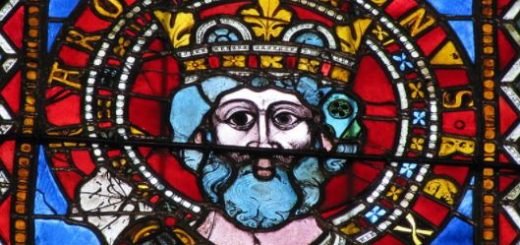
Most Important Battles of the Late Middle Ages
The Late Middle Ages, spanning roughly from the 14th to the early 16th centuries, was a transformative period in European history. Marked by profound social, political, and cultural changes, it was also a time of intense military conflict.
The era saw the decline of feudalism, the rise of centralized monarchies, and the spread of new ideas, but warfare was a constant backdrop to these developments. The most important battles of the Late Middle Ages played crucial roles in shaping the political landscape of Europe, influencing the outcome of long-standing conflicts such as the Hundred Years’ War and the Wars of the Roses, as well as heralding the rise of new military tactics and technologies.
Below, World History Edu examines some of the most significant battles of the Late Middle Ages, exploring their causes, outcomes, and long-term consequences.
Were the Middle Ages that Dark as some historians often describe the period?
Battle of Bannockburn (1314)

Image: A drawing depicting the Battle of Bannockburn.
The Battle of Bannockburn, fought on June 23–24, 1314, was a decisive victory for the Scots in their struggle for independence from England. At this time, Scotland, under King Robert the Bruce, was engaged in a prolonged conflict with England, led by King Edward II, over its independence. The English had long claimed overlordship of Scotland, and this battle was part of the larger Wars of Scottish Independence, which had been ongoing since the late 13th century.
In 1314, Edward II marched a large army north to relieve Stirling Castle, which was under siege by Robert the Bruce’s forces. The Scottish army was vastly outnumbered, with estimates suggesting around 6,000 to 10,000 Scots against an English force of 15,000 to 20,000. However, Robert the Bruce’s use of terrain, particularly the boggy ground and narrow paths, negated the English advantage in numbers and cavalry.
On the first day, a Scottish force led by Robert the Bruce himself killed Henry de Bohun, an English knight, in single combat. This boosted Scottish morale and symbolized the boldness of their leadership. On the second day, the main battle took place. The English cavalry and infantry, cramped in the tight space, were unable to deploy effectively and were soon overwhelmed by the Scots’ disciplined schiltron formations (defensive circles of spearmen). The English forces collapsed into disarray, and many were killed or captured, including several high-ranking nobles. Edward II narrowly escaped capture.
The victory at Bannockburn solidified Robert the Bruce’s control over Scotland and was a pivotal moment in the Scottish Wars of Independence. It led to the eventual recognition of Scottish independence in 1328 with the Treaty of Edinburgh-Northampton. Bannockburn also became a symbol of Scottish nationalism and remains a significant moment in Scotland’s history.
Kings and Queens of Scots: 10 Most Influential Scottish Monarchs and their Reigns
Battle of Crécy (1346)

Image: An illustration of the Battle of Crécy.
The Battle of Crécy, fought on August 26, 1346, during the early phase of the Hundred Years’ War between England and France, marked a significant shift in medieval warfare. King Edward III of England, commanding an army of around 12,000 men, faced the much larger French army under King Philip VI, which numbered between 20,000 and 40,000. The battle took place in northern France, near the village of Crécy-en-Ponthieu.
The English army, composed of longbowmen, dismounted knights, and infantry, was well-prepared for battle, having chosen a strong defensive position on a hill. In contrast, the French army relied heavily on traditional medieval tactics, including mounted knights and heavy cavalry. The English longbow, with its rapid rate of fire and long range, was a game-changer in this battle. As the French knights charged uphill, they were decimated by volleys of arrows fired by the English archers. The muddy ground further hindered the French cavalry’s effectiveness, causing them to break ranks and fall into disarray.
The English army inflicted a devastating defeat on the French, killing thousands, including many of France’s nobility. Among the notable deaths was John of Bohemia, the blind king who heroically charged into battle despite his handicap. The Battle of Crécy demonstrated the effectiveness of infantry and archers over heavy cavalry, heralding the decline of the mounted knight as the dominant force on the battlefield.
Crécy was not only a military triumph for Edward III but also a morale boost for the English cause in the Hundred Years’ War. It set the stage for future English victories, particularly the famous Battle of Poitiers in 1356 and the Battle of Agincourt in 1415. The success of the English longbowmen at Crécy highlighted the changing nature of warfare in the Late Middle Ages, as new tactics and technologies began to dominate.
Battle of Poitiers (1356)
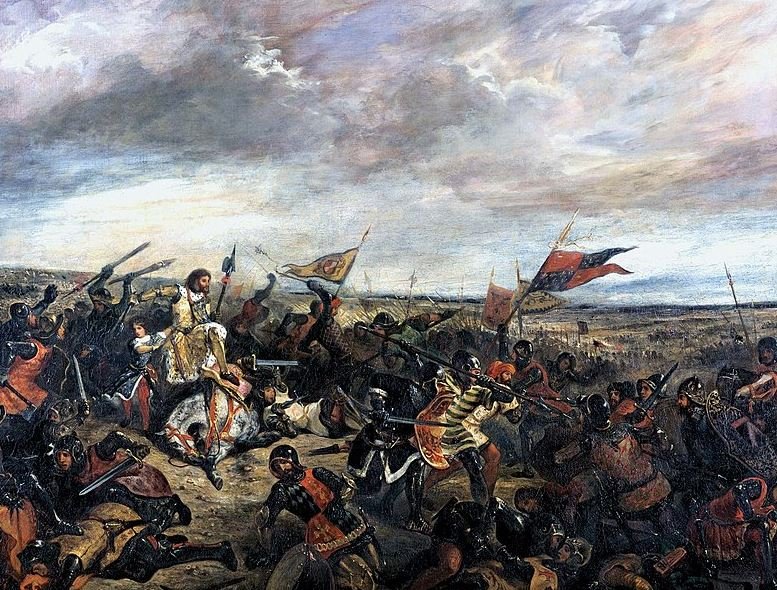
Image: Battle of Poitiers
The Battle of Poitiers, fought on September 19, 1356, was another pivotal engagement of the Hundred Years’ War. Like Crécy, it showcased the effectiveness of the English longbow and the tactical skill of English commanders. The battle was fought between the forces of King John II of France and Edward, the Black Prince, son of Edward III of England.
The French army, numbering around 20,000, significantly outnumbered the English force of about 7,000, which included archers, men-at-arms, and dismounted knights. However, the English once again took up a defensive position and used the terrain to their advantage. The French knights charged repeatedly at the English lines, only to be cut down by the longbowmen. After several failed assaults, the French army began to collapse.
One of the most significant outcomes of the Battle of Poitiers was the capture of King John II of France. The French king was taken prisoner and later ransomed for an enormous sum, placing a heavy financial burden on France. The defeat weakened the French monarchy and contributed to internal strife, including the outbreak of the Jacquerie peasant revolt in 1358.
The victory at Poitiers was a major triumph for the English, but the financial and logistical strains of the war soon became apparent. Nonetheless, the battle cemented the reputation of the Black Prince as one of the most skilled military commanders of his time.
Battle of Agincourt (1415)
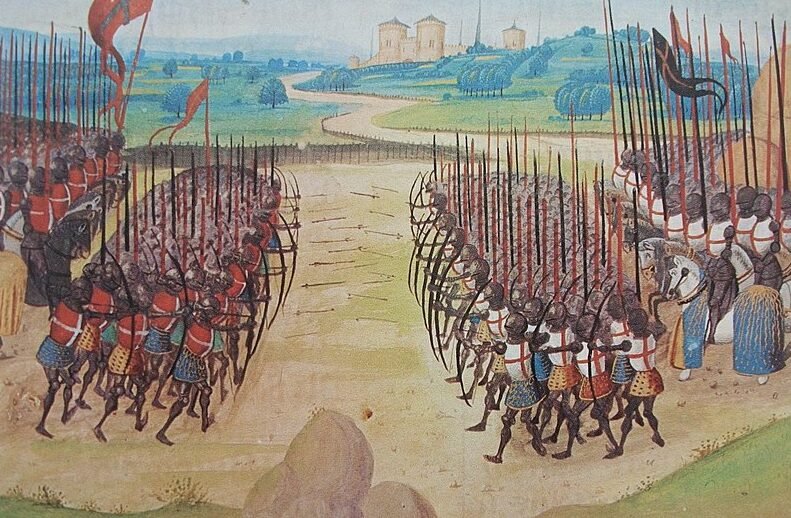
Image: Battle of Agincourt
The Battle of Agincourt, fought on October 25, 1415, was one of the most famous battles of the Hundred Years’ War and one of the most celebrated English victories. Henry V of England, leading an army of about 6,000 men, faced a French force of between 20,000 and 30,000. The battle took place in northern France, near the village of Azincourt.
The English army was heavily outnumbered and weakened by disease and fatigue after a long campaign. However, Henry V took advantage of the narrow battlefield and the muddy conditions to nullify the French advantage in numbers. The English longbowmen, positioned on either flank, devastated the advancing French knights, who struggled to maneuver in the mud. The French army, already disorganized from earlier skirmishes, was unable to break through the English lines.
The result was a catastrophic defeat for the French. Thousands of French soldiers, including many of the nobility, were killed or captured. The English losses were minimal by comparison, making the victory even more remarkable. Henry V’s triumph at Agincourt solidified his claim to the French throne under the terms of the Treaty of Troyes (1420), which was signed a few years later. Agincourt also became a legendary moment in English history, immortalized in Shakespeare’s play Henry V.
The battle exemplified the shift away from traditional knightly warfare and the growing importance of infantry, archers, and discipline in battle. It also highlighted the vulnerabilities of the French feudal army, which was often divided by internal rivalries and poorly coordinated.
Siege of Constantinople (1453)

The Siege of Constantinople in 1453 marked the fall of the Byzantine Empire and is often considered the end of the Middle Ages. The Ottoman Sultan Mehmed II led a massive army of approximately 100,000 to 150,000 men against Constantinople, the capital of the Byzantine Empire, which was defended by about 7,000 soldiers under Emperor Constantine XI.
Constantinople had long been considered an impregnable city, thanks to its formidable defensive walls. However, the Ottomans employed new military technology, particularly large cannons, to breach the walls. Mehmed II’s forces besieged the city from land and sea, cutting off supplies and bombarding the walls for weeks.
On May 29, 1453, after nearly two months of siege, the Ottomans launched a final assault. Despite fierce resistance, the Byzantine defenders were overwhelmed, and the city fell. Emperor Constantine XI died in the fighting, and the Byzantine Empire, which had existed for over a thousand years, came to an end.
The fall of Constantinople had far-reaching consequences. It marked the rise of the Ottoman Empire as a major power in both Europe and Asia, while also severing many of the traditional trade routes between Europe and Asia. This spurred European exploration, leading to the Age of Discovery. The siege also symbolized the growing importance of gunpowder in warfare, as the Ottomans’ use of cannons to breach Constantinople’s walls demonstrated the declining effectiveness of traditional fortifications.
Battle of Towton (1461)

Image: An illustration by English artist Richard Caton Woodville Jr. portraying the Battle of Towton
The Battle of Towton, fought on March 29, 1461, during the Wars of the Roses, was the largest and bloodiest battle fought on English soil. The Wars of the Roses was a dynastic conflict between the houses of Lancaster and York for control of the English throne. Towton was a decisive battle between the Yorkist forces, led by Edward, Duke of York (later Edward IV), and the Lancastrian forces loyal to King Henry VI.
The battle took place in a snowstorm near the village of Towton in Yorkshire. The Yorkist army, numbering around 30,000 men, faced a slightly larger Lancastrian force of 35,000 to 40,000. The weather conditions made the battle particularly brutal, with driving snow and wind affecting visibility and the use of weapons.
Despite being outnumbered, the Yorkists, with the support of archers and skilled commanders, managed to break through the Lancastrian lines. The battle turned into a rout, with many Lancastrians killed as they fled the battlefield. Estimates suggest that between 20,000 and 30,000 men were killed in the battle, making it one of the bloodiest conflicts in medieval English history.
The victory at Towton secured the throne for Edward IV and marked the beginning of Yorkist dominance in England, although the conflict between the two houses would continue for several more decades. The battle was a turning point in the Wars of the Roses and demonstrated the changing nature of warfare in England, as archers and foot soldiers played an increasingly important role alongside the traditional mounted knights.
Battle of Castillon (1453)

Image: Battle of Castillon
The Battle of Castillon, fought on July 17, 1453, was the final battle of the Hundred Years’ War between England and France. The battle marked the end of English territorial ambitions in France, as the French army, led by Jean Bureau, decisively defeated the English forces under John Talbot, Earl of Shrewsbury.
The French army, equipped with cannons and gunpowder weapons, laid siege to the English-held town of Castillon. When Talbot arrived with reinforcements to lift the siege, he was lured into a trap by the French. The English forces, still relying on traditional medieval tactics, were devastated by the French artillery. Talbot himself was killed in the battle, and the English army was routed.
The Battle of Castillon ended the Hundred Years’ War and led to the reconquest of almost all English-held territory in France, except for the port of Calais, which remained under English control until 1558. The battle also demonstrated the growing importance of artillery in warfare and marked the definitive decline of English power in France.
Frequently asked questions about the Late Middle Ages
The Late Middle Ages is the period in European history from around the 14th to the early 16th century. It follows the High Middle Ages and precedes the Renaissance, characterized by significant social, political, and religious changes.
These FAQs offer a broad overview of key themes, events, and figures that defined the Late Middle Ages.
What major events occurred during the Late Middle Ages?
Key events of the Late Middle Ages include the Hundred Years’ War between England and France, the Black Death (plague), the fall of Constantinople to the Ottomans in 1453, and the rise of centralized monarchies in Europe. This period also saw the beginnings of the Renaissance and significant developments in trade, military tactics, and cultural exchange.
What caused the decline of feudalism during the Late Middle Ages?
The decline of feudalism was driven by several factors, including the rise of powerful centralized monarchies, the growth of towns and trade, the impacts of the Black Death (which drastically reduced the population and labor force), and changes in military tactics (such as the increased use of professional armies and new technologies like gunpowder and longbows).
What were the main conflicts during the Late Middle Ages?
Major conflicts included the Hundred Years’ War (1337–1453), the Wars of the Roses (1455–1487), and the Ottoman conquest of the Byzantine Empire, culminating in the fall of Constantinople in 1453. These wars significantly reshaped the political landscape of Europe.
What was the Black Death, and how did it impact the Late Middle Ages?
The Black Death was a devastating pandemic that swept through Europe from 1347 to 1351, killing an estimated one-third to one-half of the population. Its social and economic effects were profound, leading to labor shortages, a weakening of feudal structures, peasant revolts, and shifts in religious attitudes.
What were the most important battles of the Late Middle Ages?
Some of the most significant battles include the Battle of Bannockburn (1314), the Battle of Crécy (1346), the Battle of Poitiers (1356), the Battle of Agincourt (1415), the Siege of Constantinople (1453), the Battle of Towton (1461), and the Battle of Castillon (1453). These battles were instrumental in shaping political borders and military tactics during the period.
How did warfare change during the Late Middle Ages?
Warfare evolved significantly during the Late Middle Ages with the introduction of new technologies such as the longbow, which played a decisive role in battles like Crécy and Agincourt. Gunpowder also began to revolutionize siege warfare, as seen in the Siege of Constantinople in 1453, marking the decline of traditional knightly cavalry and fortifications.
How did the fall of Constantinople in 1453 affect Europe?
The fall of Constantinople to the Ottoman Empire marked the end of the Byzantine Empire and is often considered the end of the Middle Ages. It disrupted trade routes between Europe and Asia, prompting European exploration and the eventual discovery of new sea routes to Asia. It also contributed to the rise of the Ottoman Empire as a dominant power in both Europe and Asia.
What role did religion play during the Late Middle Ages?
Religion was central to life during the Late Middle Ages, with the Catholic Church holding significant power. However, this period also saw challenges to the Church’s authority, such as the Western Schism (1378–1417), which divided the Church, and the early movements for reform that would later culminate in the Protestant Reformation.
How did the Renaissance emerge from the Late Middle Ages?
The Renaissance emerged as a cultural and intellectual movement in the 14th and 15th centuries, influenced by the rediscovery of classical texts, new artistic and scientific ideas, and increased interaction with the Islamic world through trade and warfare. The late medieval period laid the groundwork for the Renaissance through developments in education, art, and humanism.
What was the impact of the Hundred Years’ War?
The Hundred Years’ War had significant political and social effects, particularly in England and France. It led to the decline of feudalism, the rise of national identity, the strengthening of monarchies, and major military innovations. The war also contributed to the decline of chivalric warfare and the increasing use of standing armies.
What caused the Wars of the Roses in England?
The Wars of the Roses were a series of dynastic conflicts fought between the houses of Lancaster and York for control of the English throne. The causes included disputes over royal succession, the weaknesses of King Henry VI, and ongoing rivalries among the English nobility. The wars ended with the rise of the Tudor dynasty in 1485.
What was the social structure like during the Late Middle Ages?
The social structure of the Late Middle Ages was still largely feudal, with a hierarchy consisting of kings, nobles, clergy, and peasants. However, the Black Death and the rise of towns and trade began to shift the balance of power, leading to the growth of a middle class, increased peasant revolts, and the weakening of the traditional feudal system.
How did the invention of gunpowder change military strategies?
Gunpowder revolutionized medieval warfare by making traditional fortifications, such as castles and city walls, more vulnerable to artillery bombardment. It also shifted the focus from mounted knights to infantry and artillery as the dominant forces in battle, as seen in the Siege of Constantinople and the Battle of Castillon.
What role did Joan of Arc play during the Late Middle Ages?
Joan of Arc played a crucial role in the Hundred Years’ War, particularly in helping to lift the siege of Orléans and leading French forces to several key victories. Her efforts helped to turn the tide of the war in favor of France. Captured by the English and later executed, she became a martyr and a symbol of French nationalism.

Joan of Arc
What were the consequences of the Hundred Years’ War for England and France?
For England, the loss of almost all its territories in France led to political instability and contributed to the outbreak of the Wars of the Roses. For France, the war resulted in the consolidation of royal power, the decline of feudalism, and the strengthening of the French monarchy under figures like Charles VII.
What were the cultural and intellectual changes during the Late Middle Ages?
The Late Middle Ages saw the beginning of the Renaissance, with renewed interest in classical learning, the arts, and science. Universities flourished, and scholars began questioning traditional medieval thought, laying the groundwork for the humanist movement. The invention of the printing press in the mid-15th century also revolutionized the dissemination of knowledge.
How did the Black Death affect medieval society?
The Black Death decimated Europe’s population, leading to labor shortages, economic upheaval, and social unrest. It weakened the feudal system, increased wages for peasants, and led to a decline in the authority of the Church, which was unable to stop the spread of the plague. The pandemic had lasting effects on European society and economy.
What was the role of women during the Late Middle Ages?
Women’s roles during the Late Middle Ages were largely defined by their social class and family status. While most women were involved in domestic and agricultural work, some women, particularly in the cities, became involved in trade and crafts. Notable women like Joan of Arc and Christine de Pizan also gained prominence in military and literary spheres, respectively.
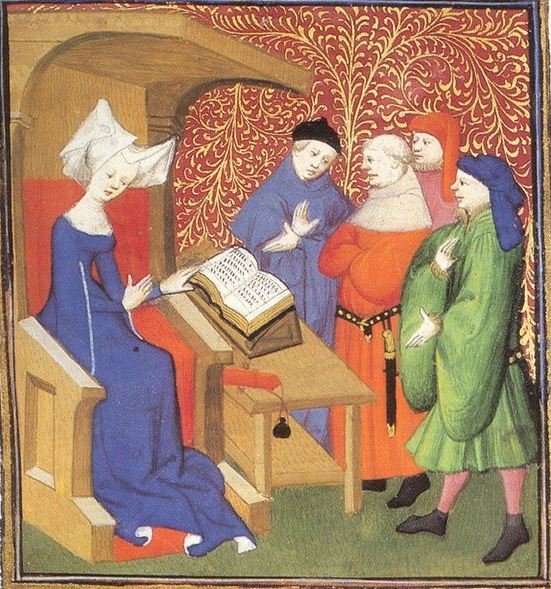
Image: Christine de Pizan (left) giving a lecture to a group of men.
What impact did the fall of the Byzantine Empire have on Europe?
The fall of Constantinople in 1453 to the Ottoman Empire marked the end of the Byzantine Empire and shifted the balance of power in Eastern Europe. It also prompted many Greek scholars to flee to Italy, bringing with them classical texts that contributed to the Renaissance. Additionally, it disrupted trade routes, prompting European exploration for new sea routes to Asia.