Mythological Re-Enactments in Ancient Rome
The culture of ancient Rome was deeply rooted in the interplay of religion, mythology, and public entertainment. Among the most striking manifestations of this fusion were mythological re-enactments staged during public spectacles, including festivals, theatrical performances, and gladiatorial games. These spectacles transformed mythic tales into grand, often violent performances that celebrated Roman values, legitimized imperial rule, and entertained the populace.
READ MORE: What foods did Roman Gladiators eat?
The Significance of Mythology in Roman Society
Mythology played a crucial role in shaping Roman identity and worldview. Myths were not merely stories of gods and heroes; they were central to religious practices and moral education, offering allegories for virtue, vice, and divine intervention. Romans adopted many myths from the Greeks, adapting them to reflect Roman ideals and politics. The tales of Hercules, Aeneas, and Romulus were especially significant, as they epitomized strength, duty, and the divine origins of Rome.
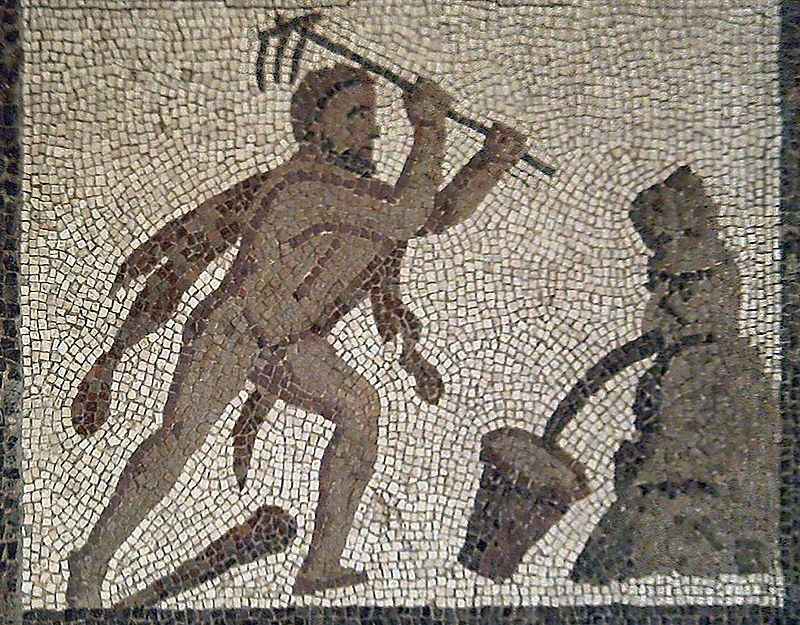
Hercules and the Augean Stables
READ MORE: 14 Lesser-Known Roman Gods and Goddesses
Spectacles as Cultural Pillars
Public spectacles were a cornerstone of Roman life, functioning as both entertainment and a medium for political propaganda. Sponsored by the state or wealthy individuals, these events reinforced social hierarchies, showcased imperial power, and unified the populace through shared cultural experiences.
The inclusion of mythological re-enactments in spectacles added a layer of cultural and religious resonance, transforming these events into vivid demonstrations of Rome’s divine favor and historical destiny.
Theatrical Re-Enactments of Myths
The Roman theater often staged adaptations of mythological tales, ranging from tragedies and comedies to mime and pantomime. While Greek drama inspired much of this tradition, Roman performances were distinct in their emphasis on spectacle and accessibility. Playwrights like Seneca adapted Greek myths for Roman audiences, infusing them with themes of Stoic philosophy and imperial ideology.
One notable aspect of Roman theatrical re-enactments was their focus on emotional intensity and dramatic visuals. Costumes, masks, and elaborate stage machinery enhanced the impact of mythological narratives. For instance, the deus ex machina device, which introduced gods onto the stage, underscored the divine dimensions of these stories. Mythological dramas like Medea, Hercules Furens, and Phaedra not only entertained but also explored themes of power, fate, and human suffering, resonating deeply with Roman audiences.

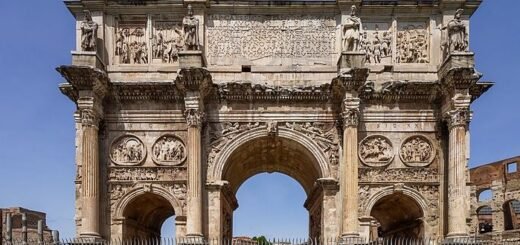
The Colosseum in Rome.
READ MORE: List of Roman Gods and their Greek Equivalents
Mythology in Gladiatorial Games and Venationes
Gladiatorial games and animal hunts (venationes) were among the most popular spectacles in ancient Rome, often incorporating mythological themes. The amphitheater provided a unique setting where mythological narratives could be re-enacted with visceral immediacy, blending theatricality with real-life danger.
Gladiatorial Combat as Mythic Performance
In many cases, gladiators were cast as mythological figures, reenacting famous battles or heroic deeds. For instance, a gladiator might portray Hercules, battling a lion or other formidable adversaries, mirroring the hero’s legendary Twelve Labors. These performances not only highlighted the gladiator’s physical prowess but also symbolized the triumph of order and civilization over chaos and barbarism—a central theme in Roman ideology.
Through theater, gladiatorial games, naval battles, and public festivals, the Romans brought their myths to life, creating spectacles that captivated audiences and reinforced the empire’s ideological foundations.
The staging of mythological combats often involved elaborate costumes and props, ensuring the audience could identify the characters and narratives. The violent and often fatal nature of these performances added an element of raw authenticity, blurring the line between art and reality.
Venationes and Mythological Symbolism
Venationes, or staged animal hunts, frequently drew on mythological motifs. Exotic animals such as lions, leopards, and elephants were imported from across the empire, symbolizing Rome’s dominion over nature and distant lands. These hunts sometimes reenacted mythic episodes, such as the Calydonian Boar Hunt or the labors of Hercules. By presenting these myths in the context of Roman spectacle, the state reinforced its image as a civilizing force endowed with divine favor.
Naumachiae: Naval Re-Enactments of Myths
Naumachiae, or mock naval battles, were another venue for mythological re-enactments. Staged in artificial lakes or flooded arenas, these spectacles recreated famous sea battles or mythic episodes involving maritime themes. For instance, the myth of Jason and the Argonauts or the Trojan War‘s naval encounters could serve as inspiration.
These elaborate productions required immense logistical effort, involving the construction of ships, the recruitment of participants (often slaves or prisoners), and the coordination of complex choreography. The incorporation of mythological narratives elevated these events beyond mere entertainment, transforming them into powerful displays of Roman engineering, military prowess, and cultural sophistication.
READ MORE: What sides did the gods take during the Trojan War?
Mythological Themes in Triumphs and Public Festivals
Mythological re-enactments also played a prominent role in Roman triumphs and public festivals. Triumphs, held to celebrate military victories, often included processions featuring tableaux vivants of mythological scenes. These displays linked the triumphator (victorious general) with mythic heroes, suggesting that his achievements were divinely sanctioned.
Festivals such as the Ludi Romani and Ludi Apollinares similarly incorporated mythological themes into their programs. These events featured theatrical performances, athletic competitions, and other forms of entertainment, all steeped in the mythology that defined Roman cultural identity. By dramatizing myths in these public settings, Rome emphasized its connection to the divine and its role as the heir to a sacred tradition.
Imperial Propaganda and Mythological Re-Enactments
Under the Roman Empire, mythological re-enactments became a key tool of imperial propaganda. Emperors used these spectacles to associate themselves with gods and heroes, reinforcing their authority and legitimacy. For example, Emperor Augustus frequently invoked the myth of Aeneas, the Trojan hero and legendary founder of Rome, to underscore his role as the restorer of Roman tradition and order.
Later emperors continued this practice, often commissioning spectacles that highlighted their divine associations. Emperor Nero, known for his love of theater, famously performed in mythological dramas, casting himself as characters like Apollo or Hercules. While such acts often scandalized the elite, they underscored the emperor’s integration into Rome’s mythic and cultural fabric.

Emperor Nero’s head from a monumental statue on display at Glyptothek, Munich.
READ MORE: How did Emperor Augustus usher in Pax Romana?
The Spectacle of Death and Mythological Re-Enactments
The most controversial aspect of mythological re-enactments in Roman spectacles was their occasional use of real deaths to dramatize mythic narratives. This practice, known as damnatio ad bestias or execution by beasts, was typically reserved for criminals or prisoners of war. In some cases, these individuals were forced to play roles in mythological dramas that culminated in their deaths.
One infamous example is the myth of Icarus, in which a condemned prisoner might be equipped with wings and launched from a high platform, meeting a gruesome end in front of the crowd. Similarly, the myth of Orpheus could be reenacted by having a victim face a pack of wild animals, mirroring the hero’s tragic fate.
Mythological re-enactments in ancient Roman spectacles were more than mere entertainment; they were a profound cultural phenomenon that reflected the values, beliefs, and ambitions of Roman society.
While these performances were undeniably brutal, they reflected Roman attitudes toward life, death, and entertainment. The use of real human suffering in mythological re-enactments underscored the empire’s power and the inevitability of divine justice, themes central to Roman ideology.
The Legacy of Roman Mythological Spectacles
The tradition of mythological re-enactments in Roman spectacle left a lasting legacy on Western culture. These performances demonstrated the power of myth to shape collective identity, entertain, and convey complex ideas. The integration of narrative, visual spectacle, and visceral experience set a precedent for later forms of theatrical and cinematic storytelling.
In the context of Roman society, these spectacles served multiple purposes. They provided a form of mass entertainment that transcended social boundaries, offered a medium for political and religious expression, and reinforced the cultural narratives that defined Rome’s identity. By transforming myths into living performances, the Romans created a unique art form that celebrated their history, values, and divine heritage.
READ MORE: Roman Emperor Commodus: Life, Reign, Atrocities Committed, & Assassination
Frequently asked questions
Who participated in these re-enactments, and why?
The participants were primarily from the lower social classes, including criminals and non-citizens. These individuals were considered unworthy of dignified punishment, and their public executions served to degrade and humiliate them, stripping them of humanity to evoke moral superiority among spectators.
What purpose did these spectacles serve?
These spectacles demonstrated the emperor’s authority, discouraged dissent, and reinforced societal norms. By showcasing the severe consequences of disobedience through mythological narratives, they acted as a stark warning to the populace while reinforcing cultural and political ideals.
How were myths like Hercules’ story re-enacted?
In Hercules’ re-enactments, the condemned were dressed in his lion-skin cloak and carried a club. They were executed through immolation, reflecting Hercules’ mythic demise. This could involve a pyre symbolizing Mount Ida or a pitch-soaked tunic replicating the poisoned garment in the myth.
What twist did the myth of Orpheus take in the arena?
Orpheus, known for enchanting music, was portrayed by a condemned individual playing the lyre while tame animals interacted with him. The suspenseful climax came when a bear was released, killing “Orpheus.” This deviation from the original myth added an element of surprise and dramatic irony.
How was Pasiphae’s myth adapted for the arena?
Pasiphae’s myth, involving her cursed desire for a bull, remains controversial. While theatrical tricks may have created an illusion of bestiality, some suggest more graphic elements were involved. The re-enactment emphasized the humiliation of the condemned and the emperor’s control over myth.
READ MORE: Most Famous Slayers of Monsters in Greek Mythology
What role did mythology play in Roman society?
Mythology was central to Roman culture, intertwining with ancestry, morality, and prestige. Myths were used to teach virtues, reinforce social hierarchies, and connect individuals, cities, and regions to heroic or divine origins, asserting antiquity and valor.
How did mythological re-enactments serve imperial propaganda?
By staging myths, emperors demonstrated their control over history and mythology. Deviations from the original narratives, like Orpheus’ death by a bear, highlighted the emperor’s authority to reshape cultural stories, reinforcing their divine and political power.
What was the significance of these re-enactments in the arena?
These performances were more than executions; they blended entertainment with propaganda, affirming Roman values and the emperor’s dominance. The integration of mythology into spectacles emphasized Rome’s cultural heritage and divine favor.
What was the legacy of Roman mythological re-enactments?
These re-enactments reflected Rome’s deep connection to mythology and its ability to blend violence with cultural affirmation. They underscored the empire’s power and enduring influence, shaping how myths were used for entertainment and propaganda in Western culture.