National Party of South Africa: History & It’s Association with Apartheid
The National Party (NP), or Nasionale Party in Afrikaans, played a dominant role in South African politics from its founding in 1914 until its dissolution in 1997. Responsible for the institutionalization of apartheid, the NP governed South Africa for nearly half a century, fundamentally shaping its political, social, and economic landscape.
Below, World History Edu explores the party’s origins, rise to power, policies, impact, decline, and eventual dissolution.

Flag used by the National Party from 1936 to 1993.
READ ALSO: Brief history of South Africa and why it has three capital cities
Origins and Early Years
The National Party was founded in Bloemfontein in 1914 by Afrikaner nationalists, largely in response to the policies of the South African Party (SAP) under Prime Minister Louis Botha. J. B. M. Hertzog, the NP’s primary founder, disagreed with Botha’s pro-British stance and instead advocated for a “two-stream” approach, promoting Afrikaner nationalism and greater autonomy from British influence.
Initially, the NP struggled to gain significant political power, but it gradually built a strong base among Afrikaners disillusioned with British colonial rule and economic marginalization. The party first entered government in 1924 in coalition with the Labour Party, with Hertzog as Prime Minister. During this period, the NP promoted economic policies favoring white workers and introduced legislation aimed at further segregating South African society.
Second Boer War (1899-1902): History, Major Causes, Phases, Concentration Camps, & Outcome
The Road to Apartheid (1948–1960s)
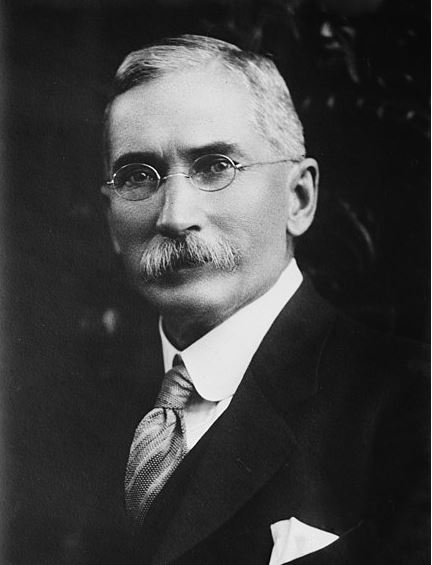
Portrait of J. B. M. Hertzog
The NP lost power briefly when it merged with the SAP in the 1930s to form the United Party (UP), but a faction led by D. F. Malan opposed the merger and created the Purified National Party. This group eventually regained prominence, and in 1948, the NP, under Malan’s leadership, won the general election, defeating the UP and its leader, Jan Smuts.
Upon assuming power, the NP embarked on a systematic program of racial segregation known as apartheid. Key apartheid laws passed included:
- Population Registration Act (1950) – Classified all South Africans by race.
- Group Areas Act (1950) – Segregated residential areas by race.
- Bantu Education Act (1953) – Provided inferior education to Black South Africans.
- Prohibition of Mixed Marriages Act (1949) – Outlawed interracial marriages.
By the late 1950s, apartheid had become fully entrenched, with severe restrictions on movement, employment, and political participation for non-whites. The NP also withdrew South Africa from the British Commonwealth in 1961, declaring the country a republic under President Charles Robberts Swart.

Consolidation and Resistance (1960s–1980s)
Under Hendrik Verwoerd and later B. J. Vorster, the NP sought to further entrench apartheid by creating separate “homelands” or Bantustans for Black South Africans, stripping them of South African citizenship. These policies faced widespread international condemnation, leading to economic sanctions and increasing domestic unrest.
By the 1970s, resistance to apartheid grew, with internal uprisings like the 1976 Soweto Uprising and external pressures from the United Nations and anti-apartheid movements. Despite some reforms, such as the removal of laws prohibiting interracial marriages and the introduction of separate legislatures for Coloured and Indian South Africans, the NP faced growing opposition.
Nelson Mandela’s role in the fight against apartheid in South Africa
Reforms and the End of Apartheid (1980s–1994)
The 1980s saw the NP, now under P. W. Botha, attempting to reform apartheid while maintaining white supremacy. The government allowed limited political participation for non-whites but refused to grant full voting rights to Black South Africans. Violent resistance escalated, and Botha declared a state of emergency.
With increasing economic decline and international isolation, F. W. de Klerk, who became President in 1989, initiated negotiations to dismantle apartheid. In 1990, he lifted the ban on the African National Congress (ANC) and released Nelson Mandela from prison. After a 1992 referendum, in which white South Africans voted to support negotiations, apartheid laws were repealed, and the country moved towards democracy.
De Klerk, NP leader from 1989 to 1997, initiated the end of apartheid, lifted the ban on the ANC, and released Nelson Mandela, paving the way for democratic elections in 1994.
Transition and Decline (1994–1997)
In South Africa’s first democratic elections in 1994, the NP received close to 21% of the vote and joined a Government of National Unity with the ANC. However, the party struggled to redefine itself in post-apartheid South Africa. In 1997, it rebranded as the New National Party (NNP), but support continued to decline. By 2005, the NNP dissolved and merged with the ANC.
Questions and Answers
When did the National Party first come to power?
The NP first gained power in 1924 in coalition with the Labour Party and later secured a decisive victory in the 1948 general elections, allowing it to implement apartheid.

The National Party began using this flag during the 1990s.
What was apartheid?
Apartheid was a system of institutionalized racial segregation that restricted non-white South Africans from political participation, land ownership, and movement while enforcing white supremacy.
How did apartheid laws affect South Africans?
Apartheid laws restricted non-whites from living in white-designated areas, banned interracial relationships, imposed pass laws controlling movement, and denied black South Africans political rights.
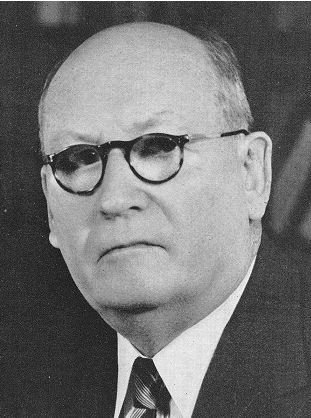
Portrait of D. F. Malan.
Why did South Africa leave the British Commonwealth?
In 1961, under Prime Minister Hendrik Verwoerd, South Africa left the Commonwealth after facing international condemnation over apartheid and transitioned into a republic.
What role did the NP play in South Africa’s economic and political isolation?
Due to apartheid, the NP-led government faced international sanctions, diplomatic isolation, and economic penalties, leading to domestic unrest and economic decline.
What led to the NP’s shift away from apartheid?
By the 1980s, internal protests, international pressure, and economic sanctions forced the NP to initiate reforms, leading to negotiations with the African National Congress (ANC).
How did the NP perform in South Africa’s first multiracial elections?
In 1994, the NP won close to 21 % of the vote, making it the second-largest party, and participated in the Government of National Unity alongside the ANC.
Why did the NP rebrand itself as the New National Party (NNP)?
The NP rebranded as the NNP in 1997 to distance itself from its apartheid past and attract broader support, but it failed to regain influence.
What led to the NP’s ultimate dissolution?
Facing dwindling support, the NNP merged with the ANC in 2005, marking the end of the party that had once dominated South African politics.
Was the NP ever revived?
A new party using the name “National Party South Africa” was registered in 2008, but it had no formal connection to the original NP and remained a minor political entity.
READ ALSO: Origin Story and Symbolism of the Flag of South Africa
Timeline of the National Party of South Africa (NP)
- 1914: The National Party (NP) is founded in Bloemfontein by J. B. M. Hertzog, advocating for Afrikaner nationalism.
- 1924: NP wins the general election in coalition with the Labour Party, making Hertzog Prime Minister.
- 1934: The NP merges with the South African Party to form the United Party; a faction led by D. F. Malan forms the Purified National Party.
- 1948: NP wins the general election, led by Malan, and begins implementing apartheid policies.
- 1960: A referendum leads to South Africa becoming a republic, officially severing ties with the British monarchy.
- 1966: Apartheid is declared a crime against humanity by the United Nations.
- 1983: The NP grants limited parliamentary representation to Coloureds and Indians but excludes Black South Africans.
- 1990: F. W. de Klerk announces reforms, including the unbanning of the ANC and the release of Nelson Mandela.
- 1994: NP participates in South Africa’s first multiracial elections, joining the Government of National Unity.
- 1997: NP rebrands as the New National Party, failing to regain support.
- 2005: The party dissolves and merges with the ANC.





