Nisus and Euryalus
Nisus and Euryalus are among the most memorable characters in Virgil’s Aeneid, where they serve as exemplars of loyalty, bravery, and the devastating costs of war.
As members of the Trojan refugees led by Aeneas, their relationship and tragic story have resonated across centuries, symbolizing themes of devotion, sacrifice, and the fragile nature of youth in times of conflict.
Through their narrative, Virgil explores not only their personal bond but also broader themes of heroism and the inevitable loss associated with war.
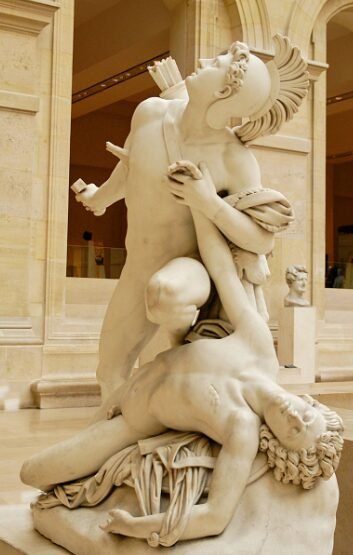
Nisus and Euryalus (1827) by French sculptor Jean-Baptiste Roman (Louvre Museum)
Background and Origins
Nisus and Euryalus are first introduced as part of the Trojan survivors who flee their destroyed city after the Trojan War, following Aeneas on his fateful journey to found a new homeland in Italy.
Nisus
Nisus is depicted as the elder and more experienced of the pair. He is the son of Hyrtacus and is renowned for his hunting skills. Having grown up in the shadow of Mount Ida, he worshipped the goddess associated with the region, honing his prowess with weapons such as javelins and arrows. His experience and skill in combat make him a valuable asset to Aeneas’ company, and his deep bond with Euryalus adds depth to his character.
Euryalus
Euryalus, in contrast, is younger and less experienced but stands out for his beauty and emotional depth. He is described as the most handsome among Aeneas’ warriors, embodying the ideal of youthful vigor. Having grown up in a world ravaged by war, Euryalus was trained as a fighter by his father, Opheltes, a battle-hardened warrior who died during the Trojan War.
Euryalus shares a poignant relationship with his mother, who, despite the dangers of their journey, refuses to leave his side and accompanies him to Italy. His devotion to her and his sensitivity highlight his tender and human qualities, contrasting with the harsh realities of war.

Aeneas defeats Turnus, by Luca Giordano, 1634–1705. The genius of Aeneas is shown ascendant, looking into the light of the future, while that of Turnus is setting, shrouded in darkness
Characterization
Although Nisus and Euryalus are inseparable in their stories, Virgil ensures that each is portrayed as a distinct individual with complementary traits:
As the older companion, Nisus embodies experience, skill, and strategic thinking. His loyalty to Euryalus drives his actions, often placing his friend’s well-being above his own. His expertise with projectile weapons such as javelins and arrows emphasizes his role as a protector.
Youthful and ambitious, Euryalus represents the promise and fragility of youth. His inexperience occasionally leads to impulsive decisions, such as taking a gleaming helmet as a trophy during their raid, which ultimately exposes their position to the enemy. His devotion to his mother adds a layer of emotional vulnerability, underscoring the human cost of war.
Their Role in the Aeneid
Nisus and Euryalus appear in two key episodes of the Aeneid: the funeral games in Book 5 and their ill-fated night raid in Book 9. These episodes reveal their courage and devotion while setting the stage for their tragic end.
The Funeral Games (Book 5)
The pair first appear during the funeral games held in honor of Anchises, Aeneas’ father. In the footrace, their bond is highlighted when Nisus sacrifices his own chance at victory for Euryalus. After slipping on sacrificial blood, Nisus, realizing he cannot win, trips another competitor, Salius, ensuring that Euryalus crosses the finish line first. This act, while demonstrating Nisus’ loyalty, also introduces an element of moral ambiguity—his willingness to cheat foreshadows the darker choices they will face later. The incident, treated humorously in the narrative, also serves as a harbinger of their tragic fate, where Nisus once again sacrifices himself for Euryalus.
The Night Raid (Book 9)
Their most famous episode occurs during the war in Italy, as the Trojans attempt to establish a foothold in their new homeland. Nisus and Euryalus volunteer for a daring mission: sneaking through the enemy Rutulian camp to deliver a message to Aeneas. Their journey through the camp is initially successful, with the pair demonstrating stealth and combat prowess as they kill several enemies, including the Rutulian leader, Remus.
However, Euryalus’ decision to take a gleaming helmet as a trophy proves fatal. The helmet’s shine catches the attention of the enemy, exposing their position. Nisus, desperate to save his companion, returns to aid Euryalus but is unable to protect him. Euryalus is captured and killed, and Nisus, overcome with grief, sacrifices himself in a futile attempt to avenge his friend.
Their deaths are described with poignant imagery, particularly Euryalus’ death, likened to a flower cut down in its prime or a poppy bowing under the weight of rain. This poetic description underscores the fragility of youth and the tragic waste of potential in war.
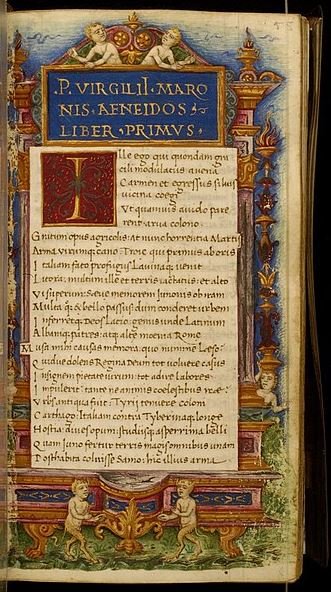
In Book 9 of Virgil’s Aeneid, Nisus and Euryalus’s stealthy mission ends tragically when Euryalus’ loot—a gleaming Rutulian helmet—reveals their position, leading to their deaths. Image: Manuscript of the Aeneid circa 1470, Cristoforo Majorana
Themes and Symbolism
The story of Nisus and Euryalus is rich with thematic significance, reflecting many of the central concerns of the Aeneid:
Loyalty and Sacrifice
The relationship between Nisus and Euryalus is defined by unwavering loyalty and selflessness. Their bond exemplifies amor pius (devout love), a virtue central to Roman values and Aeneas’ character. Nisus’ willingness to sacrifice himself for Euryalus mirrors Aeneas’ devotion to his people, reinforcing the epic’s emphasis on duty and sacrifice.
Youth and War
Euryalus, as a symbol of youth, represents both the promise of a new generation and its fragility in the face of conflict. His death reflects the waste of young lives in war, a recurring theme in the Aeneid. The transition from boyhood to manhood, seen in characters like Euryalus, Ascanius, and Pallas, underscores the cost of war and the loss of innocence.
Brutality and Consequences
The graphic violence of the pair’s raid, including Nisus’ beheading of Remus, contrasts sharply with the tenderness of their bond. This juxtaposition highlights the duality of war, where moments of heroism coexist with acts of brutality and the inevitable suffering that follows.
Foreshadowing and Fate
Their story is marked by foreshadowing, particularly in the funeral race. Nisus’ manipulation of the race outcome for Euryalus mirrors his ultimate sacrifice during the raid. The inevitability of their fate underscores Virgil’s exploration of human limitations and the inescapability of destiny.
Legacy and Interpretations
The story of Nisus and Euryalus has been interpreted in various ways, reflecting its complexity and emotional depth:
The deep bond between Nisus and Euryalus has led some scholars to interpret their relationship as potentially romantic, drawing comparisons to classical pairs like Achilles and Patroclus. This interpretation is supported by Virgil’s use of tender and intimate language to describe their connection.
Their actions raise questions about loyalty and ethics. Nisus’ willingness to manipulate the race and engage in brutal combat contrasts with his tender devotion to Euryalus, highlighting the complexities of human behavior in extreme circumstances.
The pair’s deaths serve as a poignant reminder of the sacrifices required for greater causes. Their story emphasizes the personal costs of war and the enduring value of loyalty and devotion.
Frequently Asked Questions
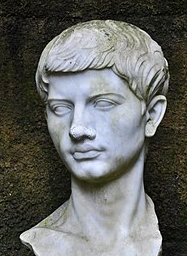
Virgil’s depiction of Nisus and Euryalus, influenced by conventions of erotic poetry and Greek paiderastia, suggests parallels to relationships like Achilles and Patroclus, blending themes of loyalty and potential romantic love.
Who are Nisus and Euryalus in Virgil’s Aeneid?
Nisus and Euryalus are Trojan warriors who accompany Aeneas after the fall of Troy. They represent loyalty, bravery, and the tragic costs of war, playing a significant role in Virgil’s exploration of camaraderie and sacrifice.
What is the background of Nisus and Euryalus?
Nisus, the elder, is the son of Hyrtacus and renowned for his hunting skills and battle experience. Euryalus, younger and less experienced, was trained as a fighter by his father, Opheltes, who died in the Trojan War. Euryalus is also noted for his beauty and his close relationship with his mother, who accompanied him to Italy.
How are Nisus and Euryalus characterized in the narrative?
Nisus is the older and more experienced of the two. He is skilled in projectile weapons like javelins and arrows, and protective of Euryalus.
Euryalus is young, unshaven, and handsome, with emotional depth and devotion to his mother. His youthful pride ultimately leads to their downfall.
What role do Nisus and Euryalus play in the funeral games in Aeneid Book 5?
During the footrace held in honor of Anchises, Nisus slips in sacrificial blood and trips another competitor, Salius, to ensure Euryalus wins. This act demonstrates Nisus’ loyalty but also introduces an ominous willingness to bend rules, foreshadowing their tragic fate.
What is the night raid of Nisus and Euryalus in Aeneid Book 9?
Tasked with sneaking through the Rutulian camp to deliver a message to Aeneas, the pair demonstrate bravery and skill in stealth. Their mission becomes a killing spree, but Euryalus takes a gleaming helmet as a trophy, revealing their position to the enemy. Both are ultimately killed, with Nisus sacrificing himself trying to save Euryalus.
How does Virgil portray the deaths of Nisus and Euryalus?
Virgil uses poetic imagery to describe their deaths, comparing Euryalus to a plucked flower or a poppy bowed by rain. The poignant description underscores the fragility of youth and the tragic cost of war.
What are the central themes in the story of Nisus and Euryalus?
Their bond exemplifies unwavering devotion, reflecting the theme of amor pius (devout love).
Euryalus represents the waste of young lives in war and the transition from boyhood to manhood.
Their violent mission contrasts with their tender relationship, highlighting the duality of war.
The funeral race foreshadows their eventual tragedy, emphasizing the inevitability of their end.
How does the relationship between Nisus and Euryalus compare to other classical pairs?
Their bond mirrors classical pairs like Achilles and Patroclus, blending themes of loyalty and potentially romantic affection, while illustrating the deep emotional ties between comrades in arms.
How does Virgil use the story of Nisus and Euryalus to explore broader themes in the Aeneid?
Their story reflects themes central to the epic, such as the costs of war, the fragility of youth, and the tension between human virtues and flaws. Their personal tragedy is woven into the larger narrative of Aeneas’ journey to establish a new homeland.





