What triggered the North Yemen Civil War?
by World History Edu · December 20, 2024
The North Yemen Civil War (1962–1970) was a transformative conflict in the Arabian Peninsula, significantly altering the political trajectory of North Yemen. Known also as the 26 September Revolution, it involved a fierce struggle between the royalists, who supported the Mutawakkilite Kingdom, and the republicans, who advocated for the newly declared Yemen Arab Republic. The war’s complexity stemmed from its blend of traditional tribal dynamics, Cold War rivalries, and the ambitions of neighboring states.
This conflict had roots in centuries-old political structures, religious ties, and clan allegiances. At its core, it represented the upheaval of a long-standing imamate system by revolutionary forces hoping to shape a modern state. The war showcased the interplay between local identities and global power politics, making it a focal point of broader Middle Eastern struggles during the Cold War era.
The legacy of this war would reverberate long after the fighting ended. Its outcomes included not only the establishment of a republic but also the entrenchment of external influence, reconfiguration of tribal power, and lingering economic challenges that shaped Yemen’s destiny for decades.
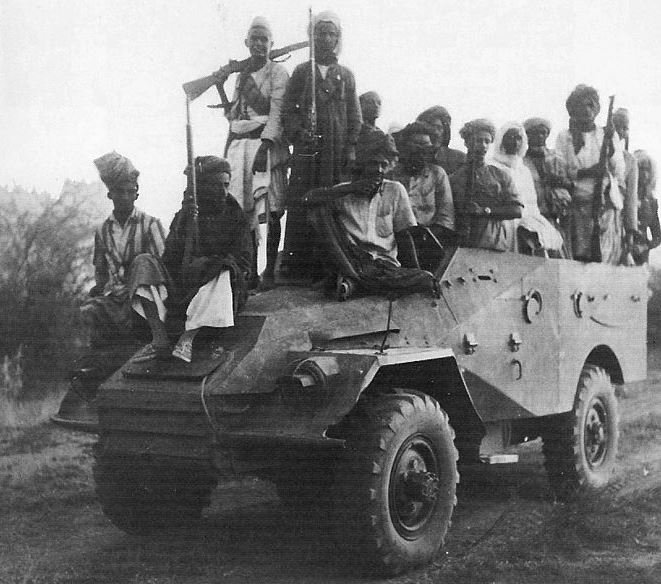
The war reshaped the region, profoundly impacting North Yemen’s political future.
Historical Context
Prior to the 1960s, North Yemen—then known as the Mutawakkilite Kingdom of Yemen—was ruled by an imamate. This religious and monarchical system had endured for centuries. The ruling family, the Hamidaddin dynasty, traced its legitimacy through religious credentials as Zaydi Imams. While tribal influence remained strong, the Imam wielded absolute power, and modernization efforts were minimal.
By the mid-20th century, waves of change were washing over the Arab world. Nationalist ideologies, championed by leaders like Egypt’s Gamal Abdel Nasser, challenged old monarchies. Yemen, isolated and steeped in tradition, felt the shockwaves as educated elites and junior officers became inspired by pan-Arabism and anti-colonial sentiments. Neighboring countries, particularly Saudi Arabia and the British in Aden, watched developments closely, apprehensive about potential upheavals on their borders.
In this environment, calls for modernization met resistance from the conservative ruling class. Economic stagnation, lack of infrastructure, and limited political representation helped sow the seeds of dissatisfaction. Soon, a confrontation between entrenched monarchy and emerging republicanism would ignite the civil war.
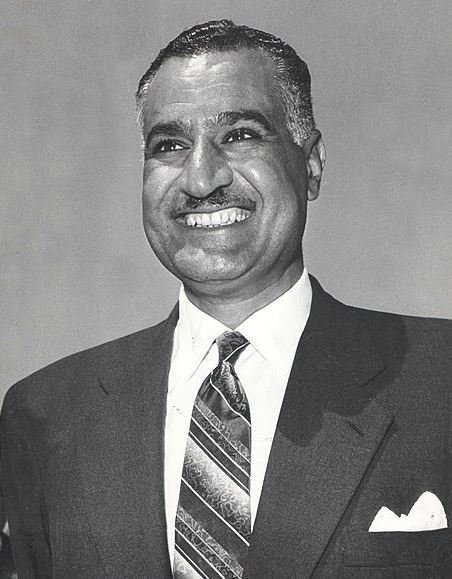
Image: A 1962 photo of Gamal Abdel Nasser.
The Origin Story: The 26 September Revolution
The immediate spark for the war came in September 1962 when Crown Prince Muhammad al-Badr had just ascended to the throne after his father Imam Ahmad’s death. However, almost immediately, a group of revolutionary-minded army officers, led by Colonel Abdullah as-Sallal, staged a coup d’état on September 26. Supported by republicans who sought a more open and progressive political system, the coup declared Yemen a republic.
Al-Badr, surprised and outmaneuvered, fled to the mountainous north near the Saudi border. There, he rallied conservative tribes loyal to the imamate, determined to restore his rule. Thus began the North Yemen Civil War, with republican forces holding the capital, Sana’a, and royalist forces defending the Imam’s legitimacy in remote highlands.
Within days, the transformation was evident. The new republican government abolished longstanding practices like slavery and promised reforms. Yet the revolution was fragile, facing opposition from powerful tribal networks, foreign powers, and the complexities of a society not yet ready for rapid political change. This origin story set the stage for a protracted and multifaceted conflict.

Image: Muhammad al-Badr.
Causes: Internal and External Forces
A key internal cause of the war was the tension between tradition and reform. Many Yemenis were weary of the stagnant status quo under the imamate, longing for educational opportunities, infrastructure development, and broader political participation. Young officers who had been exposed to new ideas at home or abroad believed it was time for Yemen to join the modern world.
At the same time, tribal dynamics played a critical role. Yemen’s rugged geography fostered a patchwork of tribes, each with its loyalties and grudges. Some tribes supported the monarchy for religious or financial reasons, while others backed the republicans, hoping for a bigger stake in decision-making. This fluid tribal landscape ensured that alliances constantly shifted as the war dragged on.
External factors also shaped the conflict’s causes. Nasser’s Egypt, at the height of its pan-Arab influence, supported the republicans, hoping to extend its sway and confront regional monarchies. Saudi Arabia, alarmed by the rise of republicanism, backed the royalists to keep revolution at bay. The interplay of these regional actors turned Yemen’s internal strife into a proxy battlefield within the larger Arab Cold War.
The Role of Foreign Powers
Foreign intervention was perhaps the most defining feature that expanded and prolonged the North Yemen Civil War. Egypt quickly sent troops, weapons, and advisors to the republican side. At its peak, nearly 70,000 Egyptian soldiers were stationed in Yemen, marking one of Cairo’s largest-ever overseas deployments. Soviet support funneled in through Egypt, providing advanced weaponry and equipment.
On the other side, Saudi Arabia funneled funds, arms, and supplies to the royalists. Jordan and covert British and Israeli support supplemented this aid, though Britain primarily acted out of concern for protecting its interests in nearby Aden. The United States tried to maintain a delicate balance, fearing that escalation could destabilize a region vital for oil supplies.
Egypt’s disastrous intervention, Saudi Arabia’s deep involvement, and the careful balancing acts of other regional players made Yemen a battleground for competing visions of Arab governance.
This foreign involvement transformed a domestic uprising into a drawn-out stalemate. Conventional Egyptian forces found themselves mired in guerrilla warfare against well-entrenched tribesmen, while royalist forces gained new life from steady Saudi financial backing. The war became an international chessboard, with Nasser’s prestige and Riyadh’s security at stake, each determined not to be outmaneuvered.

Effects on Yemen and the Region
The prolonged violence wreaked havoc on Yemen’s social and economic fabric. Infrastructure remained rudimentary or was destroyed in combat. Roads, schools, and healthcare facilities were neglected, as the state channeled resources into sustaining the war effort. Agricultural production suffered, trade routes were disrupted, and ordinary Yemenis endured hardship and displacement.
The cost for Egypt was also immense. Engaged for years in a remote and inhospitable terrain, Egyptian forces bogged down in Yemen suffered casualties and resource depletion. This debacle weakened the Egyptian military, contributing to its poor performance in the 1967 Six-Day War against Israel. Nasser’s regional prestige took a hit, and the Egyptian economy felt the drain of a costly foreign entanglement.
At the regional level, the war hardened divisions. It underscored the Saudi-Egyptian rivalry and demonstrated how Cold War alignments influenced Middle Eastern conflicts. The struggle in Yemen tested the boundaries of Arab nationalism, challenged the old monarchies, and foreshadowed the complexities that would continue to plague the Arabian Peninsula’s politics.
The Siege of Sana’a and Turning Points
By the mid-1960s, the war had settled into a frustrating stalemate. Occasional offensives by Egyptian-backed republicans would meet stiff tribal resistance, while royalist forays failed to dislodge the republicans from major towns. In 1967, a pivotal moment arrived: the Siege of Sana’a. Royalist forces encircled the capital, hoping to strangle the republican government into submission.
Yet, the republicans, bolstered by remaining Egyptian advisors and bolstering their internal networks, managed to hold out. The siege dragged on for months. Gradually, the royalists lost momentum as they struggled with supply lines, morale, and the shifting international scene. By early 1968, royalist forces withdrew, marking a significant turn in the conflict’s dynamics.
This success for the republicans displayed their resilience and organizational improvements. It gave them a strategic edge and a renewed sense of legitimacy. More importantly, it demonstrated that despite heavy odds, the republic could survive internal and external pressures. After this point, a negotiated end to the war became more plausible.
The War’s End and Immediate Aftermath
As the 1960s waned, regional pressures encouraged a settlement. The costly involvement in Yemen no longer served Egypt’s interests after the debacle of the Six-Day War. Meanwhile, Saudi Arabia, concerned with its own security and economic stability, grew more willing to seek détente. Diplomatic negotiations took center stage, and in 1970, an accord was reached.
Saudi Arabia recognized the Yemen Arab Republic, effectively ending the conflict. This decision was not merely a gesture of goodwill; it represented a pragmatic acceptance of the new reality on the ground. Yemen, now firmly under republican governance, could begin the arduous task of nation-building without the looming threat of royalist resurgence.
The immediate aftermath saw a fragile peace. Former royalists were integrated into the republic’s political framework, some tribes shifted alignments once again, and the new republican government tried to assert authority across rugged terrain. The economy, battered by years of warfare, demanded urgent reconstruction efforts.
Long-Term Legacy
The legacy of the North Yemen Civil War was profound. One key outcome was the consolidation of the republican system and the end of the imamate’s centuries-long rule. This historical shift opened space for gradual modernization, though progress would remain slow and uneven due to ongoing tribal power structures and limited state capacity.
The war also entrenched external interference in Yemen’s affairs. Saudi Arabia’s role, first as a royalist backer and later as a patron of the republic, set a precedent for Riyadh’s continued influence in Yemeni politics. Similarly, the memory of Egyptian intervention lingered, warning regional actors about the dangers of becoming bogged down in Yemen’s intricate tribal landscapes.
Economically, the war left Yemen impoverished and underdeveloped. Rural areas lacked infrastructure, education, and economic diversification. Instability pushed many Yemenis to seek work abroad, notably in Saudi Arabia. Remittances from migrant workers would become a major pillar of the economy, reinforcing Yemen’s dependency on external conditions.
Socio-politically, the conflict reinforced the importance of tribes as key local power brokers. Although the war initially aimed to break away from monarchical structures and forge a modern republic, the new state had to negotiate with tribal leaders to maintain order. This created a hybrid political structure, with formal republican institutions coexisting uneasily alongside traditional tribal authorities.
On a broader scale, the North Yemen Civil War offered lessons about insurgency, counterinsurgency, and foreign intervention. It showed that brute force by external powers often fails to yield swift victories against determined local fighters familiar with the terrain. The Egyptians learned this painfully, as their Yemen venture became a quagmire often likened to the American experience in Vietnam.
Finally, the war influenced Yemen’s future unification. In 1990, North Yemen unified with the Marxist-led South Yemen to form the Republic of Yemen. Though this unification had its own complexities and conflicts, the political evolution set in motion by the North Yemen Civil War was a step along a long path of national integration. However, the deep legacies of tribalism, foreign influence, and economic underdevelopment would continue to challenge Yemen’s stability in the decades ahead.
Questions and Answers

What sparked the North Yemen Civil War?
The war began in 1962 with a coup d’état led by Colonel Abdullah as-Sallal, overthrowing the Mutawakkilite Kingdom and establishing the Yemen Arab Republic.

Image: Abdullah al-Sallal
Who were the main factions in the war?
The conflict pitted royalists supporting the Mutawakkilite Kingdom against republican forces backing the Yemen Arab Republic.
Which foreign powers were involved in the conflict?
Saudi Arabia, Jordan, Britain, and Israel supported the royalists, while Egypt, backed by Soviet arms, supported the republicans. The United States maintained a cautious stance to preserve regional stability.
What role did Egypt play in the war?
Egypt deployed up to 70,000 troops to support the republicans, but the prolonged engagement strained its resources and weakened its military performance during the 1967 Six-Day War.
How did tribal dynamics influence the war?
Shifting allegiances among Yemen’s tribes complicated the conflict, with tribes providing support to both sides at different times, depending on their interests.
What was the significance of the 1967 Siege of Sana’a?
The siege marked a turning point, with republican forces successfully defending the capital, consolidating their control, and paving the way for eventual victory.
When and how did the war end?
The war ended in 1970 when Saudi Arabia recognized the Yemen Arab Republic, and a ceasefire was implemented, ending active hostilities.
What were the long-term consequences of the war?
The war devastated Yemen’s economy, entrenched tribal autonomy, fostered external interference, and left Egypt grappling with a costly military failure akin to the U.S. experience in Vietnam.