What are Hyangga Songs?
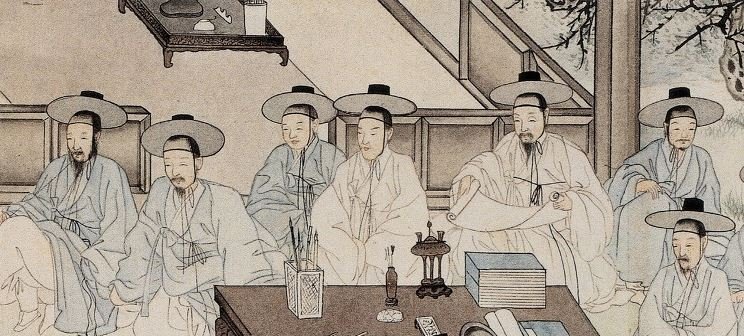
Hyangga are a form of traditional Korean poetry dating back to the Silla Kingdom (57 BCE–935 CE) and the Unified Silla period. These poems are unique to ancient Korea and represent a significant aspect of the country’s cultural and literary heritage. The word “hyangga” translates to “native songs” or “local songs,” highlighting their distinctiveness as a Korean poetic form. Written in hyangchal, a system that combines Chinese characters with Korean grammar, hyangga are crucial in understanding Korea’s linguistic and cultural development during the ancient period.
Hyangga songs bridge oral traditions and written forms, combining influences from Buddhism, shamanism, and Confucianism.
Though records indicate that hundreds of hyangga existed, only 25 have survived: 14 from the Samguk Yusa (Memorabilia of the Three Kingdoms), compiled by Buddhist monk Iryeon in the 13th century, and 11 from the Gyunyeojeon, a biography of the Buddhist monk Gyunyeo.
Korean History
Characteristics of Hyangga
Hyangga are typically composed of four, eight, or ten lines, with the ten-line form being the most refined and common. The ten-line structure (sibil gujang shi) is divided into three parts:
- First Four Lines: Present the theme or introduce a situation.
- Middle Four Lines: Develop the narrative or express emotions.
- Final Two Lines: Deliver a resolution, reflection, or summary.
Hyangga often explore themes of Buddhism, loyalty, love, nature, and mortality. Their religious and spiritual undertones reflect the profound influence of Buddhism on Silla culture.
What some popular Hyangga Songs?
“Seodongyo” (The Song of Seodong)
This is the oldest known hyangga, attributed to King Mu of Baekje (r. 600–641). The song is a love story about Seodong, a commoner, who falls in love with Princess Seonhwa of Silla. It is said that Seodong spread the song among children, who sang it in the streets, ultimately leading to the princess marrying him.
- Theme: Love and social mobility.
- Importance: It showcases how oral traditions and songs influenced political and personal outcomes in ancient Korea.
“Hyangga of Wonhyo” (Exact Title Lost)
Wonhyo, a famous Buddhist monk, is said to have composed several hyangga, although only fragments remain. His songs often emphasized Buddhist enlightenment and the transient nature of life.
- Theme: Spiritual awakening.
- Importance: Highlights the connection between hyangga and Buddhist teachings.
“Choyongga” (The Song of Choyong)
This hyangga is one of the most famous and is included in the Samguk Yusa. It tells the story of Choyong, a figure associated with exorcism and protection. In the poem, Choyong finds his wife with the spirit of plague but forgives it, prompting the spirit to leave.
- Theme: Forgiveness, protection, and exorcism.
- Importance: Even today, Choyong is considered a guardian figure, and his story reflects ancient beliefs in shamanism and Buddhism.
“Anmin-ga” (Song of Peace)
This hyangga was composed by a monk named Wolmyeong to console a grieving mother whose child had passed away.
- Theme: Consolation and spiritual transcendence.
- Importance: Demonstrates the emotional depth and Buddhist compassion within hyangga.
“Mojeong-ga” (Song of a Shepherd)
Attributed to a shepherd mourning the death of his master, this song expresses loyalty and sorrow.
- Theme: Loyalty and grief.
- Importance: Reflects Confucian ideals of loyalty and the close relationship between master and servant in ancient Korea.
“Jemangmaega” (Song of the Death of My Sister)
This ten-line hyangga, composed by the monk Wolmyong, is a lamentation for his deceased sister. It conveys deep sorrow and a desire for her spirit to ascend to paradise.
- Theme: Grief, familial love, and Buddhist beliefs about the afterlife.
- Importance: Considered one of the most poignant examples of hyangga, showcasing emotional expression in a spiritual context.
“Wonwangsaeng-ga” (The Song of King Won)
Composed in honor of a deceased king, this hyangga expresses loyalty and reverence for rulers.
- Theme: Tribute to royalty.
- Importance: Highlights the connection between poetry and statecraft in the Silla Kingdom.
“Samil-ga” (Song of the Three-Day Journey)
Written by a monk named Gyeongdeok, this song describes the hardships of a spiritual journey and the hope for enlightenment.
- Theme: Perseverance and spiritual enlightenment.
- Importance: Exemplifies the use of hyangga to convey Buddhist philosophy and personal struggles.
“Cheonji-ga” (Song of Heaven and Earth)
This is a hymn of gratitude to the heavens and the earth for their blessings.
- Theme: Gratitude and harmony with nature.
- Importance: Reflects the animistic and shamanistic traditions intertwined with Buddhism in Silla society.
“Heonhwa-ga” (Song of an Offering to Flowers)
This hyangga celebrates the beauty and ephemerality of flowers, drawing parallels with human life.
- Theme: Beauty, impermanence, and nature.
- Importance: Demonstrates the poetic use of nature as a metaphor for Buddhist concepts of impermanence.
“Gonghuin-ga” (Song of the Gonghuin)
A poem about a group of monks seeking enlightenment, this hyangga emphasizes unity and spiritual pursuit.
- Theme: Brotherhood and spiritual enlightenment.
- Importance: Highlights the communal aspect of Buddhist practice in ancient Korea.
“Ujo-ga” (Song of the Friendship Bird)
This song uses the metaphor of a bird to describe the bonds of friendship and loyalty.
- Theme: Friendship and loyalty.
- Importance: Reflects Confucian ideals and poetic symbolism.
“Dosol-ga” (Song of Dosol)
A spiritual hymn dedicated to the Bodhisattva Avalokiteshvara (Gwaneum in Korean).
- Theme: Devotion and spiritual salvation.
- Importance: Shows the integration of Indian Buddhist figures into Korean religious life through poetry.
“Sowon-ga” (Song of a Wish)
This hyangga is a prayerful wish for the well-being of the nation and people.
- Theme: National prosperity and peace.
- Importance: Demonstrates the role of poetry in expressing collective aspirations.
“Baekju-ga” (Song of White Wine)
A lighthearted hyangga celebrating the joys of life and camaraderie through wine.
- Theme: Celebration and joy.
- Importance: Stands out as a rare example of hyangga with secular and festive themes.
Questions and Answers
What are hyangga, and when did they flourish?
Hyangga are unique poetic forms from ancient Korea that flourished during the Silla and Goryeo kingdoms (7th–10th century CE). They are often described as “country songs” and differ from contemporary Chinese poetry, offering a distinctly Korean voice.
What themes are commonly explored in hyangga?
Hyangga commonly explore themes of love, loss, loyalty, Buddhist devotion, mortality, and spiritual reflection.
What was the purpose of hyangga?
Hyangga served as artistic expressions and mediums for spiritual and emotional connection. They were designed to be sung with musical accompaniment and often conveyed personal, philosophical, or religious sentiments.
How were hyangga structured?
Hyangga were typically composed in couplets arranged in four-line stanzas, with each line consisting of four syllables. Some hyangga included a ninth line, which introduced an interjection to elevate the tone and signal the song’s resolution.
How many hyangga have survived, and where are they preserved?
Only 24 hyangga have survived. They are preserved in texts like Samguk Yusa and A History of Korean Literature.
What is the significance of the “Song of a Comet” (Hyesong ka)?
Composed in 594 CE by Master Yungchong, this poem is said to have performed two miracles: repelling a comet and a fleet of Japanese pirates. Its theme is protection against danger.
What does the “Song of Sodong” (Sodong yo) describe?
Attributed to King Mu of Baekje around 600 CE, this poem describes his love for Princess Seonhwa of Silla, whom he eventually won over. Its theme is love and romance.
What does “Regret” (Wonga) reflect?
Composed in 737 CE, this poem is aristocrat Sinchung’s lament over King Hyosong breaking a promise, reflecting disappointment and loyalty.
What is celebrated in “Ode to Knight Kipa” (Chan Kiparang ka)?
This poem (742–765 CE) celebrates the heroic qualities of Kipa, a member of the hwarang youth, using nature metaphors.
What does “Song of Tuista Heaven” (Turinnorae) symbolize?
Written in 760 CE, this song symbolizes devotion to Maitreya and harmony with divine forces.
What is “Prayer to Amitayus” (Won Wangsaeng ka) about?
Dating to 661–681 CE, this poem is a plea to the Buddhist deity Amitayus, expressing devotion and longing for paradise.
What does “Ode to Knight Chukchi” (Mo Chukchirang ka) convey?
Written between 692–702 CE, this poem praises the knight Chukchi and laments the transience of youth, exploring themes of admiration and loss.
What is the story behind “Dedication of the Flower” (Honhwa ka)?
Composed in the 8th century, this poem tells of an old herdsman who offers an azalea flower to Lady Suro, demonstrating humility and dedication.
What is the meaning of “Requiem for the Dead Sister” (Chae mangmae ka)?
Composed in 762 CE, this moving elegy by Master Wolmyong mourns his sister’s passing, expressing grief and hope for reunion in paradise.
What is the story behind “Song of Choyong” (Choyong ka)?
Composed in 879 CE, this famous hyangga tells of Choyong, son of the Dragon King, who forgives the Spirit of Smallpox, showcasing themes of forgiveness and protection.