Olaudah Equiano
Olaudah Equiano was an 18th-century writer, abolitionist, and former enslaved person whose autobiography, The Interesting Narrative of the Life of Olaudah Equiano, helped advance the abolitionist movement in Britain.
Early Life and Enslavement
Olaudah Equiano, also known as Gustavus Vassa, was born around 1745 in the Igbo village of Essaka, present-day southern Nigeria. According to his memoir, his homeland was part of the Kingdom of Benin. Equiano provided vivid descriptions of Igbo society, customs, and daily life. His early years were peaceful until he and his sister were kidnapped by slave traders. Despite initial attempts to escape, Equiano was eventually sold multiple times, enduring separation from his sister and being taken far from his home.
His journey into slavery led him to the coast, where he was placed aboard a European slave ship bound for the Americas. Along with 244 other enslaved Africans, Equiano endured the horrific conditions of the Middle Passage, eventually arriving in Barbados. From there, he was transferred to the Colony of Virginia and sold to a Royal Navy officer, Michael Henry Pascal.
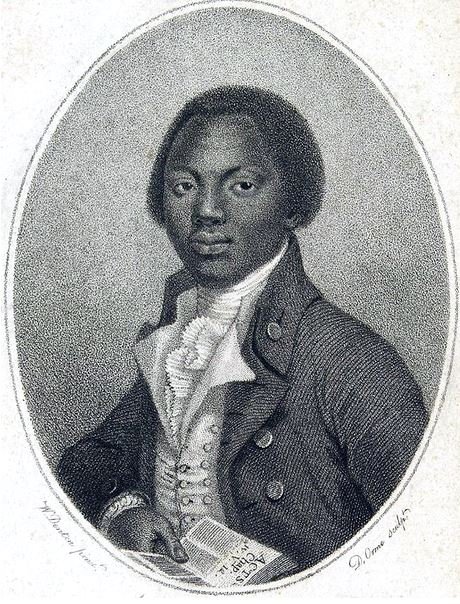
A portrait of Olaudah Equiano. Artwork by English painter Daniel Orme.
Life in Slavery and Maritime Experience
Pascal renamed Equiano “Gustavus Vassa,” after the Swedish king Gustav Vasa. Although he resisted the new name initially, he was forced to accept it after repeated beatings. Equiano was taken to England, where he was exposed to European culture and received some education. Pascal enlisted him as a personal servant and taught him the basics of seamanship. Equiano served aboard naval ships during the Seven Years’ War, witnessing significant battles such as the Siege of Louisbourg and the Capture of Belle Île.
Equiano was baptized in 1759 at St. Margaret’s, Westminster, marking an important step in his Christian faith. Despite his service and apparent loyalty, Pascal betrayed him by selling him to Captain James Doran, who then transported him back to the Caribbean. In Montserrat, he was sold to Robert King, a Quaker merchant.
Tippu Tip: One of the most powerful and wealthiest slave traders in Africa
Path to Freedom
Robert King recognized Equiano’s intelligence and business acumen, allowing him to participate in trade. Equiano earned money by selling fruits, glassware, and other goods between Georgia and the Caribbean. King promised Equiano his freedom for 40 pounds, a sum he managed to accumulate through his entrepreneurial efforts. In 1766, he finally purchased his freedom, a momentous occasion that marked his transition from enslavement to independence.
Despite being free, Equiano faced continued threats. In Georgia, he was nearly kidnapped and re-enslaved, highlighting the dangers that freed Black individuals faced in the British colonies. As a result, he decided to leave the Americas and return to Britain.
Equiano converted to Christianity and was baptized in England. His faith played a central role in his life, and he often used Christian arguments against slavery.
Freedom and Advocacy
Equiano settled in Britain and continued to work at sea. He participated in an Arctic expedition aboard the HMS Racehorse in 1773, led by Constantine Phipps. During this voyage, he met Dr. Charles Irving, who later recruited him for a business venture on the Mosquito Coast in Central America. The venture, aimed at managing African laborers, ultimately failed.
Equiano became increasingly involved in the abolitionist movement in the 1780s. He was a member of the Sons of Africa, a group of free Africans advocating for the end of the transatlantic slave trade. He played a key role in exposing the Zong massacre, where over 130 enslaved people were thrown overboard by a slave ship crew to claim insurance. This incident fueled abolitionist efforts in Britain.
Equiano converted to Christianity and was baptized in England. His faith played a central role in his life, and he often used Christian arguments against slavery.
The Interesting Narrative and Abolitionist Work
In 1789, Equiano published his autobiography, The Interesting Narrative of the Life of Olaudah Equiano. The book detailed his experiences as an enslaved person, his journey to freedom, and his observations on British society and slavery. It became a bestseller, going through nine editions during his lifetime. His work was instrumental in changing public opinion and mobilizing support for the abolitionist movement.
Equiano toured extensively across Britain, Ireland, and Scotland, lecturing on the horrors of slavery. His book’s success not only earned him financial independence but also reinforced the arguments of abolitionists. He collaborated with prominent figures such as Granville Sharp and Thomas Clarkson, both of whom played significant roles in passing the British Slave Trade Act of 1807.
Controversy Over His Birthplace
While Equiano claimed African origins, historian Vincent Carretta suggested in a 2005 biography that he may have been born in South Carolina. Carretta’s assertion was based on baptismal and naval records listing Carolina as Equiano’s birthplace. However, many scholars dispute this claim, arguing that the weight of evidence supports his narrative of African birth.
Despite the debate, Equiano’s Narrative remains a crucial primary source in the study of slavery and abolition. His firsthand account provides valuable insights into African culture, the transatlantic slave trade, and the lived experiences of enslaved individuals.
Marriage and Later Life
In 1792, Equiano married Susannah Cullen, an Englishwoman from Soham, Cambridgeshire. The couple had two daughters, Anna Maria and Joanna. Sadly, Susannah died in 1796, and Equiano passed away a year later, on March 31, 1797. His estate was left to his surviving daughter, Joanna.
Legacy and Influence
Equiano’s contributions to abolitionism were significant. His Narrative played a critical role in the eventual abolition of the slave trade in Britain. His advocacy influenced laws and policies that led to the British Slave Trade Act of 1807 and later, the abolition of slavery itself in 1833.
Did you know…?
Olaudah Equiano’s legacy endures through commemorations and academic studies.
- He is honored in Britain’s Black History Month and has been recognized with plaques, statues, and historical markers.
- In 2007, his life and work were included in the British National Curriculum.
- A Google Doodle honored him in 2017, and his name has been used for geographical features, ships, and educational institutions.
Olaudah Equiano’s life journey from enslavement to freedom, and his advocacy for abolition, demonstrate resilience and determination.
Frequently Asked Questions about Olaudah Equiano
Where was Olaudah Equiano born?
According to his memoir, Equiano was born around 1745 in the Igbo village of Essaka, in present-day Nigeria. However, some historians suggest he may have been born in South Carolina.

A plaque on Riding House Street, Westminster, marking the residence of Equiano and the site where he published his narrative.
How was Equiano enslaved?
At around age eleven, he and his sister were kidnapped from their home, separated, and sold into slavery. He was transported to the Caribbean and later to Virginia before being sold to a British Royal Navy officer.
How did Equiano gain his freedom?
Equiano worked as a merchant and sailor, trading goods in the Caribbean and North America. His owner, Robert King, allowed him to purchase his freedom for 40 pounds in 1766.
What role did Equiano play in the abolitionist movement?
Equiano became a key figure in the British abolitionist movement, joining the Sons of Africa and using his autobiography to expose the brutality of slavery. His firsthand account influenced public opinion and lawmakers.
What was The Interesting Narrative of the Life of Olaudah Equiano about?
Equiano’s autobiography detailed his experiences of enslavement, his journey to freedom, and his observations on the transatlantic slave trade. It was widely read and influential in abolitionist circles.
How did Equiano contribute to the abolition of the slave trade?
His book provided a powerful argument against slavery and was used to lobby Parliament. His advocacy helped pave the way for the British Slave Trade Act of 1807, which abolished the trade.
What did Equiano do after gaining his freedom?
Equiano traveled extensively, worked as a seaman, and engaged in trade. He also became involved in efforts to resettle freed Black people in Sierra Leone.
Who did Equiano marry?
In 1792, he married Susannah Cullen, an Englishwoman. They had two daughters, Anna Maria and Joanna.
When did Olaudah Equiano die?
Equiano died on March 31, 1797, in London. His legacy as a writer and abolitionist remains significant.