Pope Clement XI
Pope Clement XI was the head of the Catholic Church and ruler of the Papal States from 1700 to 1721. He was a patron of the arts and sciences and...
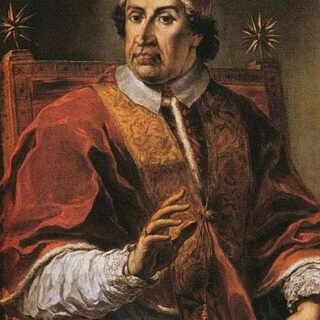
Pope Clement XI was the head of the Catholic Church and ruler of the Papal States from 1700 to 1721. He was a patron of the arts and sciences and...

The Kaidu-Kublai war (1268–1301) was pivotal in permanently dividing the Mongol Empire into four independent khanates: the Golden Horde, Chagatai Khanate, Ilkhanate, and Yuan dynasty. This conflict followed the earlier...

The First French Empire, also known as Napoleonic France, was established under Napoleon Bonaparte and marked a transformative period in European history. It emerged from the political upheaval of the...

The Second Bourbon Restoration (1815–1830) marks the period in French history when the Bourbon monarchy, led by Louis XVIII and Charles X, regained power following Napoleon’s defeat at Waterloo. Despite...

Joseph Rudyard Kipling (1865–1936) was one of the most influential literary figures of the late 19th and early 20th centuries. Renowned for his poetry, novels, and short stories, Kipling’s works...
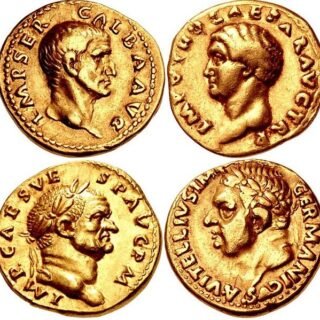
The Year of the Four Emperors, AD 69, was a pivotal and chaotic period in Roman history. It marked the first significant civil war since the establishment of the Roman...
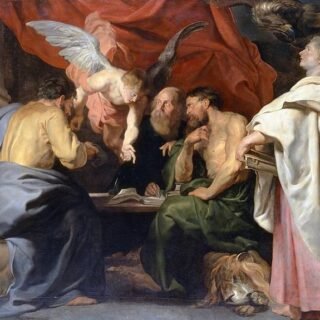
The Four Evangelists—Matthew, Mark, Luke, and John—are the authors traditionally attributed to the four canonical Gospels of the New Testament. These books, titled The Gospel of Matthew, The Gospel of...

Iðunn is a significant goddess in Norse mythology, renowned for her association with youth and vitality. Her name, which has been interpreted to mean “the rejuvenator,” “ever young,” or “the...

Laurence Bradshaw was an English sculptor, printmaker, artist, and lifelong socialist, known for designing the tomb of Karl Marx in Highgate Cemetery. Early Life and Education Laurence Henderson Bradshaw was...

Léopold Sédar Senghor (1906–2001) was a Senegalese politician, poet, and cultural theorist. As the first president of Senegal from 1960 to 1980, Senghor played a vital role in shaping the...

Equestrian statues have long been used to commemorate significant leaders, military commanders, and cultural icons. These statues not only represent their subjects but also serve as landmarks of historical, artistic,...
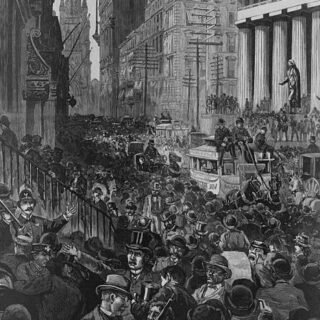
The Panic of 1884 was a significant economic crisis that marked the late 19th-century United States, occurring during the broader Depression of 1882–1885. What made this panic unique was its...

In the mid-12th century, Egypt faced political instability due to the crumbling Fatimid Caliphate, weakened by internal disputes and external pressures from the Crusaders and Muslim Syria under the Zengids....

The slogan “Workers of the World, Unite!” encourages global solidarity among workers, urging them to cooperate across national and cultural boundaries to overthrow capitalism and end class oppression. Origin and Meaning...
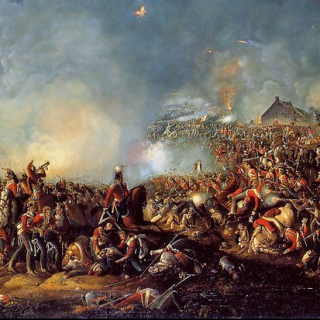
The Hundred Days (les Cent-Jours) marks a critical episode in European history, spanning from Napoleon Bonaparte‘s dramatic return from exile on Elba on March 20, 1815, to the second restoration...





