Pharaoh Neferkare II
Neferkare II was a little-known pharaoh of ancient Egypt who ruled during the tumultuous early First Intermediate Period (c. 2181–2055 BC). As a ruler of the Eighth Dynasty, he would have reigned from Memphis, Egypt’s traditional capital, during a time of political fragmentation and declining central authority. Scholars, including Jürgen von Beckerath and Darell Baker, identify him as the third ruler of this short-lived dynasty. However, due to the scarcity of contemporary sources, much of what is known about Neferkare II is derived from later king lists and scholarly interpretations.
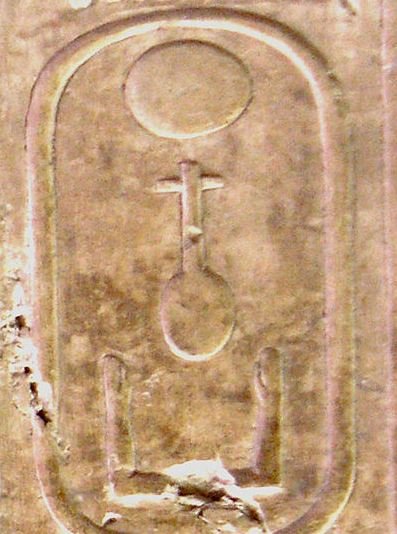
The Abydos King List features the cartouche of Neferkare II.
A Name on the Abydos King List
The only known evidence for Neferkare II’s existence comes from the Abydos King List, a chronological record of Egypt’s rulers compiled during the reign of Seti I, approximately 900 years after the First Intermediate Period. The king’s name appears as the 42nd entry on this list, confirming his historical presence but offering no additional details about his reign or achievements.
Another significant historical source from the Ramesside period, the Turin King List, also attempted to document Egypt’s rulers. Unfortunately, this list contains a large lacuna, or missing section, that affects many kings of the Eighth Dynasty. If Neferkare II’s reign duration was originally recorded in the Turin Canon, this information has since been lost. As a result, Egyptologists are unable to determine the exact length of his rule or any specific events associated with it.
Identity and Possible Alternative Names
Due to the lack of direct inscriptions or monuments linked to Neferkare II, scholars have debated whether he might be associated with other rulers from the same period. Jürgen von Beckerath has tentatively suggested that Neferkare II might be the same person as Wadjkare, a pharaoh whose name appears in a graffito at Wadi Hammamat. The name Wadjkare, meaning “Flourishing is the Ka of Ra,” suggests a ruler seeking divine legitimacy in a time of crisis.
READ MORE: Sun God Ra in Egyptian Mythology and Religion
However, this identification is uncertain. Darell Baker does not mention Wadjkare in connection with Neferkare II, indicating skepticism or a preference for keeping the historical record strictly tied to the Abydos King List. Another Egyptologist, Thomas Schneider, considers Wadjkare to be either Neferkare II or a separate ruler known as Neferirkare II. Without further evidence, the question of Neferkare II’s exact identity remains unresolved.
Historical Context: The Eighth Dynasty and Political Decline
Neferkare II ruled during the First Intermediate Period, a time of political disintegration following the collapse of the Old Kingdom. The Eighth Dynasty, to which he belonged, is generally considered weak and short-lived, likely consisting of a series of ephemeral rulers struggling to maintain order. Unlike their predecessors from the Sixth Dynasty, who governed a vast and unified Egypt, the kings of the Eighth Dynasty likely wielded limited power, ruling primarily over the Memphis region.
The decline of centralized authority led to the rise of provincial governors, known as nomarchs, who gained increasing independence. Inscriptions from other rulers of this period indicate that local lords held more power than the nominal kings.
The Eighth Dynasty rulers, including Neferkare II, may have been unable to project their influence beyond Memphis and its immediate surroundings. This gradual erosion of royal authority eventually led to the rise of competing regional centers, particularly in Herakleopolis and Thebes, which would dominate the later phases of the First Intermediate Period.
The Significance of King Lists
The primary reason Neferkare II’s name survives today is due to the Abydos King List, which was created under Seti I’s rule during the Nineteenth Dynasty. This list was part of a broader effort to legitimize and honor Egypt’s past rulers, although it omits many pharaohs from the chaotic intermediate periods. The inclusion of Neferkare II suggests that his reign, however brief or obscure, was considered legitimate by later scribes.
The Turin King List, which was compiled during the Ramesside Period, would have been an even more valuable source of information regarding Neferkare II. However, due to missing portions of the document, no specific details about his reign duration or achievements can be confirmed. This loss of records contributes to the difficulty in reconstructing an accurate history of the Eighth Dynasty.
The Absence of Monuments and Inscriptions
Unlike the great pharaohs of the Old Kingdom, Neferkare II left behind no known pyramids, temples, or official inscriptions. This absence is not surprising, as many Eighth Dynasty rulers lacked the resources or stability to commission large-scale building projects. The decline in monumental construction is a hallmark of the First Intermediate Period, reflecting Egypt’s economic and administrative struggles.
The only speculative connection to material evidence comes from Wadi Hammamat, where the name Wadjkare appears in a graffito. If Beckerath’s identification of Neferkare II with Wadjkare is correct, this would indicate that the pharaoh at least had some involvement in quarrying or trade expeditions. However, without further corroborating evidence, this remains a hypothesis rather than a definitive conclusion.
Frequently Asked Questions
How is Neferkare II attested?
His name appears as the 42nd entry on the Abydos King List, compiled during the reign of Seti I. No other contemporary inscriptions or monuments confirm his rule.
Why is Neferkare II’s reign uncertain?
The Turin King List, another important historical record, has a large missing section affecting many Eighth Dynasty rulers, leaving his reign duration and accomplishments unknown.
Is Neferkare II the same as Wadjkare?
Jürgen von Beckerath suggests that Neferkare II might be the same as Wadjkare, whose name appears in a Wadi Hammamat graffito, but this identification remains debated among scholars.
What was the political situation during his reign?
Neferkare II ruled during a period of political fragmentation, where provincial governors (nomarchs) were gaining autonomy, and central authority was weakening.
Why are there no monuments or inscriptions from his reign?
The declining power and resources of the Eighth Dynasty likely prevented large-scale construction projects, contributing to the lack of direct evidence about his rule.
How is Neferkare II significant despite limited evidence?
His inclusion in the Abydos King List suggests that later scribes recognized him as a legitimate ruler, even though his reign remains obscure.





