Early Life and Ascension
Osorkon II was born into a Libyan family that had become deeply entrenched in Egyptian politics. His father, Takelot I, ruled before him, and his upbringing likely prepared him for the responsibilities of kingship. Upon his father’s death, Osorkon II ascended the throne, ruling from the city of Tanis, the capital of the Twenty-second Dynasty in the Nile Delta.
Early in his reign, Osorkon faced a serious challenge from his cousin, King Harsiese A, who ruled Thebes and the Western Oasis. This rival’s presence in Upper Egypt posed a direct threat to Osorkon’s authority. However, Harsiese’s death around 860 BC provided Osorkon with an opportunity to consolidate his power. To prevent another competitor from rising in Thebes, Osorkon strategically appointed his son, Nimlot C, as the High Priest of Amun. This move ensured that Thebes and the powerful Amun priesthood remained loyal to him, stabilizing Upper Egypt and uniting the kingdom under his rule.
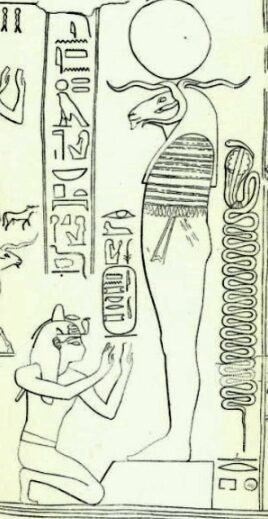
Drawing of Takelot I worshiping a mummiform deity, from Osorkon II’s Tomb in Tanis.
The Reign of Osorkon II
Osorkon II’s reign is remembered as a golden age for the Twenty-second Dynasty. He maintained a delicate balance of internal stability and external engagement, steering Egypt through a period of prosperity despite regional and international challenges.
Political and Religious Consolidation
One of Osorkon II’s significant achievements was his ability to unify Upper and Lower Egypt. By appointing his family members to key religious and administrative positions, he ensured loyalty across the country. Nimlot C’s role as High Priest of Amun in Thebes strengthened Osorkon’s influence over the religious center of Upper Egypt, which had historically been a source of rebellion against Delta rulers.
Osorkon II also emphasized his role as a divine ruler by celebrating a Heb Sed festival, traditionally held to renew the king’s strength and authority. Evidence from his building projects suggests that he celebrated this festival around his 30th regnal year, showcasing his enduring power and legitimacy.
10 Important Religious Festivals in Ancient Egypt
Foreign Policy and Diplomacy
On the international front, Osorkon II faced the rising power of Assyria, which was expanding its influence in the Levant. This encroachment threatened Egypt’s traditional sphere of influence in Israel and Syria. Osorkon’s response included strengthening Egypt’s alliances in the region and asserting its presence through diplomatic and possibly military actions. While details of these efforts remain unclear, they demonstrate his commitment to maintaining Egypt’s regional dominance.
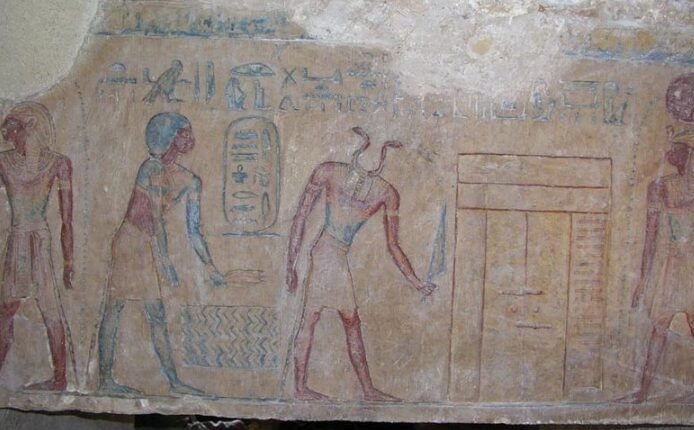
Reliefs from the Tomb of Pharaoh Osorkon II
Monumental Building Projects
Osorkon II’s reign saw an ambitious program of monumental construction, reflecting both the prosperity of his era and his desire to leave a lasting legacy. At Bubastis, the cult center of the goddess Bastet, he expanded the temple complex with a grand hall adorned with scenes depicting his Sed festival and images of his wife, Queen Karomama. This temple remains one of the most significant architectural achievements of the Twenty-second Dynasty.
Osorkon also contributed to temples in other major cities, including Thebes, Memphis, Tanis, and Leontopolis. Notably, he commissioned the construction of Temple J at Karnak, which was decorated by his grandson, Takelot F (later King Takelot II). This temple reinforced the connection between the royal family and the Amun priesthood, further legitimizing his rule.
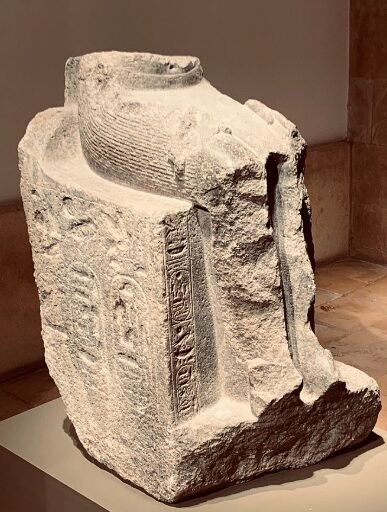
Interestingly, Osorkon’s statues were often re-inscriptions of earlier works, a practice reflecting both resourcefulness and a desire to associate his reign with the grandeur of Egypt’s past. The famous “Cairo-Philadelphia statue of Osorkon II” is one such example.
Family and Succession
Osorkon II’s family played a central role in his reign, with many of his children holding influential positions that bolstered the dynasty’s authority.
Wives and Children
Osorkon II had at least four known wives, the most prominent of whom was Queen Karomama. She was the mother of several of his children, including Nimlot C and Prince Shoshenq D. His children occupied critical roles in Egypt’s political and religious hierarchy:
- Nimlot C, as High Priest of Amun in Thebes, solidified Osorkon’s control over Upper Egypt.
- Prince Shoshenq D served as High Priest of Ptah in Memphis, reinforcing the dynasty’s influence in Lower Egypt.
- Prince Hornakht was appointed High Priest of Amun at Tanis, a political move to strengthen Osorkon’s authority in the Delta. However, Hornakht died prematurely before reaching adulthood.
- Princesses Tashakheper and Karomama C likely held religious titles, such as God’s Wife of Amun, further intertwining the royal family with the powerful Amun priesthood.
Other possible descendants of Osorkon II include his successor, Shoshenq III, and Tentsepeh (D), who married a prominent general. These family connections illustrate the dynasty’s strategy of using religious and political appointments to maintain control.
Succession
Osorkon II was succeeded by Shoshenq III, marking a significant turning point for the dynasty. While Osorkon had maintained unity during his reign, Shoshenq III lost control of Middle and Upper Egypt, leading to the fragmentation of the kingdom. This division ultimately gave rise to the Twenty-third Dynasty, which ruled separately in Upper Egypt.

While his successors faced challenges that fractured the kingdom, Osorkon II’s achievements left an enduring legacy in Egyptian history. Image: Shoshenq III, standing on the boat “msktt”, the boat of the night, with the god Atum. From his tomb in Tanis
Tomb and Burial
Osorkon II was buried in Tomb NRT I at Tanis, discovered in 1939 by French archaeologist Pierre Montet. The tomb, although looted in antiquity, provided invaluable insights into the wealth and artistry of the Twenty-second Dynasty. Osorkon’s massive granite sarcophagus, carved from a repurposed Ramesside statue, was a striking feature of the burial.
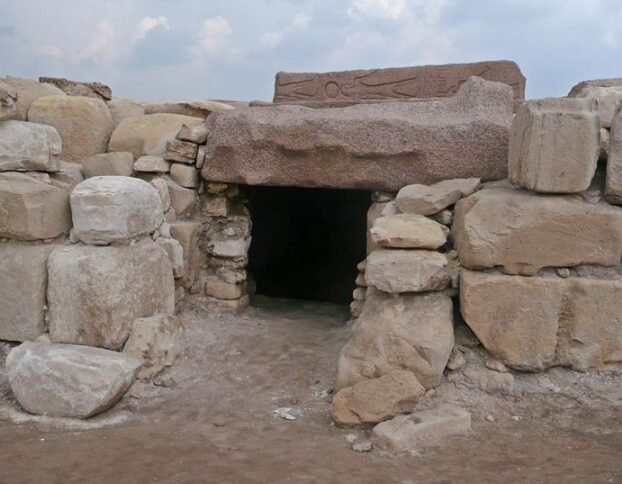
Entrance to the Tomb of Pharaoh Osorkon II
Fragments of a hawk-headed coffin and canopic jars were also found, identifying the tomb as Osorkon’s final resting place. The jewelry and artifacts remaining in the tomb, despite its plundering, demonstrated the exceptional craftsmanship of the period and challenged earlier assumptions about the dynasty’s wealth.
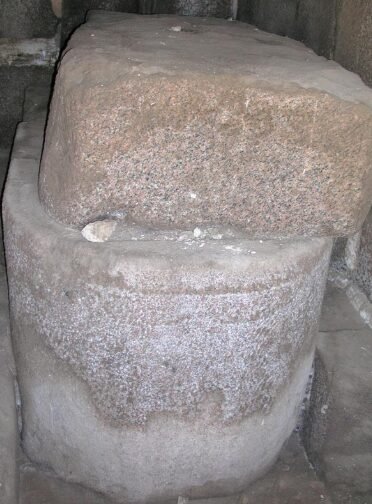
Pharaoh Osorkon II’s sarcophagus
Legacy
Osorkon II’s reign stands as a high point of the Twenty-second Dynasty. His ability to maintain unity, implement ambitious building projects, and navigate international challenges set him apart as one of the most effective rulers of his time. However, the challenges faced by his successors, particularly the loss of control over Upper Egypt, underscore the fragile nature of the unity he achieved.
Osorkon’s legacy is preserved not only in the monuments he left behind but also in the administrative and religious strategies he employed to govern a diverse and complex kingdom. His reign exemplifies the interplay between political power, religious authority, and monumental expression in ancient Egypt.
Conclusion
Pharaoh Osorkon II of the Twenty-second Dynasty was a ruler who navigated internal and external challenges with skill and determination. Through strategic appointments, monumental building projects, and active diplomacy, he strengthened and unified Egypt during a critical period. His family’s prominent roles in administration and religion further cemented his authority, ensuring stability throughout his reign.