Gaius Suetonius Tranquillus, known as Suetonius, was a Roman historian and biographer whose works have significantly contributed to our understanding of the Roman Empire.
His writings, particularly The Twelve Caesars, provide detailed accounts of the lives of Rome’s early emperors, offering insights into their characters, reigns, and the political and cultural dynamics of the era.
Born around AD 69, Suetonius lived during a transformative period in Roman history and held prominent administrative positions under emperors Trajan and Hadrian.
Early Life and Background
Suetonius’s exact birthplace is debated, with most scholars suggesting Hippo Regius in Numidia (modern-day Algeria) as his likely origin. His birth around AD 69 is inferred from his description of himself as a “young man” approximately 20 years after Nero’s death.
Suetonius came from a family of moderate social standing, with his father, Suetonius Laetus, serving as a tribune (tribunus angusticlavius) in Legio XIII Gemina. This role placed his father in the equestrian order, a respected but not elite position within Roman society.
Despite his modest background, Suetonius received a solid education in Rome during a period when schools of rhetoric flourished. This education not only honed his skills as a writer and scholar but also connected him to influential figures in Roman intellectual and political circles.
Career and Patronage
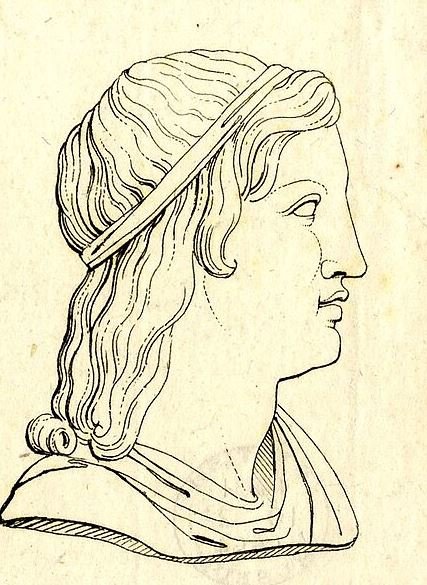
Gaius Suetonius Tranquillus’s works provide valuable insights into the personal and political lives of Roman emperors, as well as the customs and daily life of ancient Rome.
Relationship with Pliny the Younger
Suetonius benefited greatly from his friendship with Pliny the Younger, a prominent senator, writer, and imperial official. Pliny described Suetonius as “quiet and studious, a man dedicated to writing,” reflecting the historian’s scholarly disposition. Their relationship extended beyond friendship to professional support. Pliny assisted Suetonius in purchasing property and successfully advocated for the historian to receive the ius trium liberorum—privileges typically granted to fathers of three children—despite Suetonius’s childless marriage.
Service under Trajan and Hadrian
Through Pliny’s influence, Suetonius gained favor with Emperor Trajan, eventually joining his administration. He served as magister studiorum (likely a secretary for studies or education) and later as the director of imperial archives. These roles provided Suetonius with access to valuable historical documents, which likely informed his works, especially The Twelve Caesars.
Under Hadrian, Suetonius rose to the position of the emperor’s secretary. However, his career at Hadrian’s court ended abruptly when he was dismissed—allegedly for inappropriate behavior with Empress Vibia Sabina. Despite this setback, Suetonius’s administrative roles and connections with key figures afforded him the resources and insights necessary for his historical writings.
Major Works
Suetonius’s surviving works offer a blend of historical detail, biographical narrative, and cultural commentary. They are a vital resource for understanding Roman political, social, and intellectual life.
The Twelve Caesars
The Twelve Caesars (De Vita Caesarum) is Suetonius’s most famous and only fully surviving work. Written during Hadrian’s reign, it provides biographies of the first 12 rulers of Rome: Julius Caesar, Augustus, Tiberius, Caligula, Claudius, Nero, Galba, Otho, Vitellius, Vespasian, Titus, and Domitian. The work is organized systematically, detailing each emperor’s lineage, personal traits, omens, notable events, and ultimate demise.
The book’s vivid storytelling blends factual accounts with rumors and anecdotes, often focusing on the private lives and eccentricities of the emperors. For example, Suetonius recorded the earliest descriptions of Julius Caesar’s epileptic seizures and detailed Caligula’s infamous extravagances and Nero’s artistic aspirations. This approach, while entertaining and rich in detail, has been criticized for its reliance on hearsay.
Despite these critiques, The Twelve Caesars remains a cornerstone of Roman historiography. It influenced later historians and biographers and provides a unique window into the personalities and reigns of Rome’s early leaders.
Other Works
Suetonius authored several other works, though most have been lost or survive only in fragments. These writings cover a wide array of topics, from literature and philosophy to Roman customs and history.
- Partly Extant Works
- De Viris Illustribus (“On Famous Men”) is a collection of biographies focusing on notable figures in Roman literature. Sections include:
- De Illustribus Grammaticis (“Lives of the Grammarians”) – 20 brief biographies, seemingly complete.
- De Claris Rhetoribus (“Lives of the Rhetoricians”) – Five surviving lives from an original 16.
- De Poetis (“Lives of the Poets”) – Contains the life of Virgil and fragments on Terence, Horace, and Lucan.
- De Historicis (“Lives of the Historians”) – Includes a short biography of Pliny the Elder.
- Lost Works
Suetonius’s lost writings span diverse topics, reflecting his broad intellectual interests. Notable examples include:
- Royal Biographies: Possibly an exploration of kingship across cultures.
- Lives of Famous Whores: A likely satirical or moralistic work.
- Roman Manners and Customs: Insights into daily life and traditions.
- The Roman Year and The Roman Festivals: Studies on timekeeping and festivals in Roman culture.
- Greek Games and Roman Spectacles: Discussions of entertainment and public ceremonies.
- Physical Defects of Mankind: A likely anthropological or medical treatise.
Suetonius also wrote works on rhetorical and grammatical issues, including Grammatical Problems and Critical Signs Used in Books. These texts underline his interest in language and literary criticism.
- Miscellaneous Titles
Some works attributed to Suetonius include:
- Pratum (“Miscellany”): A collection of essays on various topics.
- Greek Objurations and Methods of Reckoning Time: Likely practical or linguistic treatises.
Writing Style and Historical Approach
Suetonius’s writing style is straightforward, methodical, and rich in detail. He often organized his biographies thematically rather than chronologically, focusing on specific aspects of an individual’s life, such as personal habits, physical appearance, and notable achievements. This thematic approach, combined with his access to archival materials, made his accounts particularly detailed.
However, Suetonius has faced criticism for prioritizing anecdotal and sensational content over rigorous historical analysis. His inclusion of gossip and unverified stories has led some to question the reliability of his accounts. Nonetheless, his works remain invaluable for their preservation of cultural and historical details that might otherwise have been lost.
Legacy and Influence
Suetonius’s works have had a lasting impact on historiography and biographical writing. The Twelve Caesars influenced later historians, such as Edward Gibbon in The History of the Decline and Fall of the Roman Empire, and inspired literary works like Shakespeare’s Julius Caesar. His anecdotal style has also shaped the modern understanding of biography as a genre that explores both public achievements and private lives.
In addition to his literary contributions, Suetonius’s method of systematically documenting the lives of historical figures established a template for future biographers. His focus on the personal and human aspects of leadership provided a counterpoint to the grand, epic narratives of Roman history.
Roman Emperors Who Changed the Course of History
Conclusion
Gaius Suetonius Tranquillus remains a pivotal figure in the study of Roman history. His detailed and often colorful accounts of Rome’s emperors provide a rare glimpse into the personal and political lives of its rulers. While his reliance on anecdotes and unverified sources has drawn criticism, the richness and variety of his works have ensured their enduring relevance.
Through The Twelve Caesars and his other writings, Suetonius not only documented history but also shaped the way we approach biographical storytelling.





