St. Ambrose Cathedral in Chile
St. Ambrose Cathedral, also known as Linares Cathedral (Spanish: Catedral de San Ambrosio), stands as a prominent religious and cultural landmark in Linares, Chile. As the seat of the Diocese of Linares, it holds deep historical, architectural, and spiritual significance. Constructed between 1935 and 1937, this Catholic cathedral embodies a blend of resilience, faith, and artistic excellence. The cathedral’s history is marked by its endurance through natural disasters, the dedication of its religious leaders, and its architectural inspiration from one of the most famous churches in Milan, Italy.
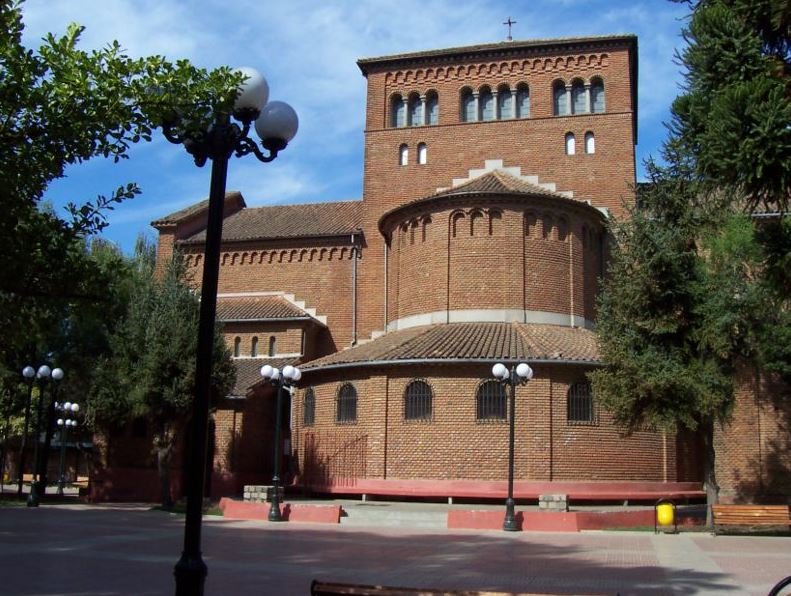
Front view of the St. Ambrose Cathedral in Chile.
The Founding of Linares and Early Religious Developments
Linares was founded on May 23, 1794, and soon after, efforts were made to establish religious institutions within the city. The responsibility of overseeing the religious needs of the community fell to Father Pablo de la Barra, the priest of Yerbas Buenas. Recognizing the necessity of a parish church, he moved the seat of his parish to Linares, marking the beginning of a lasting Catholic presence in the city.
More than just a place of worship, the St. Ambrose Cathedral in Chile embodies the spirit of the community it serves.
Between 1796 and 1810, the first church was built under the supervision of architect Tiburcio Gúmera. This early structure served as a cornerstone for Catholic worship in the region, facilitating religious gatherings, community services, and cultural events. However, its existence was threatened over the years by Chile’s seismic activity.
Earthquakes and the Destruction of the Original Church
Chile is no stranger to devastating earthquakes, and St. Ambrose Cathedral’s early history was shaped significantly by two major seismic events. In 1906, the Valparaíso earthquake caused substantial damage to the original church, weakening its structure and highlighting the need for restoration efforts. Before the building could be fully repaired, another catastrophe struck in 1928. The Talca earthquake, one of the most destructive in the region’s history, rendered the church unsafe and necessitated its demolition.
The loss of the original structure was a significant blow to the local Catholic community, prompting an urgent call for the construction of a new and more resilient church. This challenge was taken up by dedicated clergy and architects, determined to create a space that would withstand future natural disasters while preserving the religious and cultural identity of Linares.
Fundraising and the Role of Church Leadership
Rebuilding the cathedral was a monumental task that required extensive planning and financial support. A fundraising campaign was launched under the leadership of Bishop Miguel León Prado, the first bishop of the Diocese of Linares. His vision was to construct a new and more imposing church that would serve the city for generations to come.
Bishop León Prado’s untimely death left the project in need of new leadership. Bishop Juan Subercaseaux took up the mission, ensuring that the cathedral’s construction continued. His dedication, combined with the efforts of church leaders, architects, and community members, made the ambitious project a reality.
Architectural Design and Influences
The design of St. Ambrose Cathedral was inspired by the Basilica of Sant’Ambrogio in Milan, Italy. This influence came from Pedro Subercaseaux, a Benedictine monk, artist, and architect involved in the project. His vision brought a touch of European ecclesiastical grandeur to Linares, blending traditional Catholic aesthetics with Chilean cultural elements.
Inspired by the Basilica of Sant’Ambrogio in Milan, architectural beauty and historical significance of St. Ambrose Cathedral make it a prominent religious site in the Maule Region.
The cathedral was designed by architects Carlos Bresciani and Jorge del Campo Rivera, who worked alongside Pedro Subercaseaux to create a building that was both structurally sound and artistically magnificent. Their work incorporated elements characteristic of Romanesque and early Christian architecture, including rounded arches, strong columns, and a sense of solidity that reflects both spiritual and physical endurance.
Construction and Completion
Construction of the new cathedral began in 1935, with careful attention given to ensuring its resilience against earthquakes. The use of reinforced materials and strategic architectural planning allowed for a stronger, more durable structure. After two years of dedicated labor, the new St. Ambrose Cathedral was officially inaugurated in 1937.
This event marked a significant moment in the history of Linares. The new cathedral was not only a place of worship but also a symbol of the city’s perseverance and faith. It quickly became a central landmark, attracting visitors and pilgrims while serving as a hub for religious and cultural activities.
Architectural Features and Interior Design
The cathedral’s design features several key elements that highlight its historical and artistic significance. The exterior is marked by its grand façade, reminiscent of Romanesque architecture, with large arched windows, sturdy walls, and a symmetrical layout. The bell tower stands tall, serving as both a visual and spiritual beacon for the city.
Inside, the cathedral boasts high ceilings adorned with intricate detailing, creating a sense of reverence and awe. The altar, an essential focal point, is ornately designed with religious symbols and artwork that reflect the traditions of Catholicism. Stained glass windows allow natural light to illuminate the interior, enhancing the cathedral’s serene and contemplative atmosphere.
Another notable aspect is the inclusion of murals and paintings that depict biblical scenes and saints. These artistic works, influenced by European religious art, provide worshippers with visual narratives of faith, further enriching the spiritual experience within the cathedral.
History of the Catholic Church: How and When Did Catholicism Begin?
The Cathedral’s Role in the Community
Beyond its architectural beauty, St. Ambrose Cathedral plays a vital role in the religious and social life of Linares. As the seat of the Diocese of Linares, it serves as the central place of worship for the Catholic community. Regular masses, sacraments, and religious celebrations take place here, reinforcing the cathedral’s significance as a spiritual home for many.
In addition to religious services, the cathedral hosts various community and cultural events. It provides a space for gatherings, charity initiatives, and educational programs, fostering a sense of unity and support among residents. The clergy and church leaders work closely with the local population, ensuring that the cathedral remains a pillar of faith and social responsibility.
Challenges and Restoration Efforts
Like many historic buildings, St. Ambrose Cathedral has faced challenges over the years, including natural wear and the ongoing threat of earthquakes. Preservation efforts have been necessary to maintain its structural integrity and historical value. Conservation projects focus on restoring damaged areas, reinforcing the foundation, and preserving the artwork that adorns the interior.
Recent restoration efforts have aimed at modernizing certain aspects of the building while maintaining its historical essence. This delicate balance ensures that the cathedral continues to serve its community while retaining the architectural and artistic elements that make it a treasured landmark.
Questions and Answers
When was the current cathedral built?
The present cathedral was constructed between 1935 and 1937, following the demolition of the previous church due to earthquake damage.
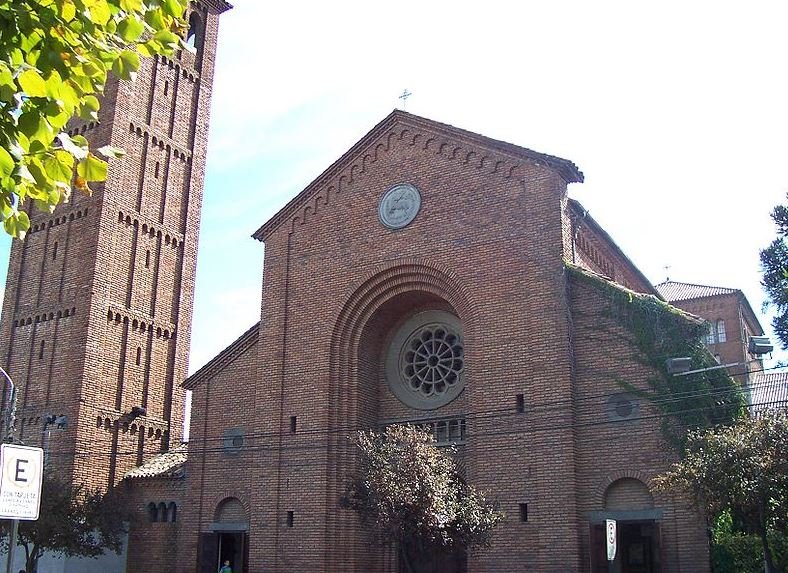
A 2007 photo of the St. Ambrose Cathedral.
Why was the original church demolished?
The original church, built between 1796 and 1810, suffered severe damage from the 1906 Valparaíso earthquake and the 1928 Talca earthquake, leading to its demolition.
Who was responsible for the construction of the new cathedral?
The project was initiated by Bishop Miguel León Prado and later continued by Bishop Juan Subercaseaux, with architects Carlos Bresciani, Jorge del Campo Rivera, and Pedro Subercaseaux.
What inspired the architectural design of the cathedral?
The cathedral’s design was inspired by the Basilica of Sant’Ambrogio in Milan, an idea proposed by Pedro Subercaseaux.





