Ancient City of Babylon: History and Major Facts
Babylon emerged within the fertile plains of southern Mesopotamia, a region defined by the life-giving waters of the Euphrates and Tigris Rivers. The earliest mention of this city dates back...

Babylon emerged within the fertile plains of southern Mesopotamia, a region defined by the life-giving waters of the Euphrates and Tigris Rivers. The earliest mention of this city dates back...

The Ishtar Gate was constructed during the reign of King Nebuchadnezzar II around 569 BCE, at the height of the Neo-Babylonian Empire. Babylon, located in modern-day Hillah, Iraq, was the...
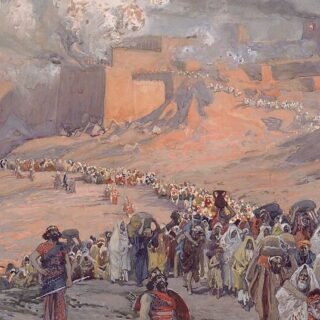
The Babylonian Captivity, spanning 597–539 BCE, stands as a transformative period in Jewish history. This era witnessed the forced deportation of Judeans from the Kingdom of Judah to Babylon by...

Judah’s revolts against the Neo-Babylonian Empire were deeply rooted in the geopolitical struggles of the 7th and 6th centuries BCE. During this period, Egypt was the dominant power in the...
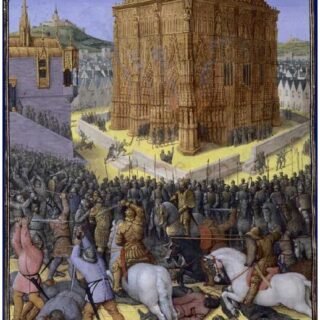
The Siege of Jerusalem by Nebuchadnezzar II in 587 BC was a critical turning point in Jewish history. This event marked the culmination of a prolonged struggle between the Kingdom...

Pharaoh Necho II, who reigned from 610 to 595 BC, was a significant figure in the late period of ancient Egypt’s history. As a ruler of the 26th Dynasty, his tenure...

The Siege of Jerusalem, a pivotal event in human history, has occurred several times across the millennia, but the most renowned are those of 587/586 BC by the Babylonian king...

Founder and first king of the Neo-Babylonian Empire, Nabopolassar was responsible for some very great conquests in ancient Mesopotamia. He enriched his royal coffers and that of his empire after...

Popularly known as the cradle of human civilization, ancient Mesopotamia was a thriving region in the Middle East that grew around two very important rivers – Tigris and Euphrates. The...





