What did the Petition to the King in 1774 entail?
The Petition to the King, sent by the First Continental Congress in 1774, is a critical milestone in the history of the American Revolution. Drafted during a period of escalating tensions between the Thirteen Colonies and Britain, the petition represents one of the final efforts by the colonies to address their grievances and seek reconciliation with the British Crown.
Its rejection by King George III and Parliament significantly contributed to the eventual decision of the colonies to declare independence in 1776. This document exemplifies the colonies’ initial loyalty to the monarchy while highlighting their strong opposition to the policies imposed by the British Parliament.
Historical Context

The Petition to the King reflects a crucial chapter in the American Revolution, marking one of the final appeals for peace before the colonies embraced independence. Image: A picture of a copy of the petition on display at the United States Library of Congress.
The Aftermath of the French and Indian War
The end of the French and Indian War (1754–1763), also known as the North American theater of the Seven Years’ War, marked a turning point in the relationship between Britain and its American colonies.
While Britain emerged victorious, the war left the British government with an enormous debt. To address this financial strain, Parliament enacted a series of revenue-generating measures targeting the colonies, such as the Stamp Act of 1765 and the Townshend Acts of 1767.
To the British government, these taxes were a legitimate means of raising revenue to pay off war debts and finance colonial administration. However, many colonists viewed them as unjust, citing the principle of “No taxation without representation.” They argued that, as they lacked representation in Parliament, these taxes violated their rights as Englishmen.
The Boston Tea Party and Coercive Acts
Tensions escalated further in 1773 when colonists staged the Boston Tea Party, destroying a shipment of British-taxed tea in protest of the Tea Act. Parliament retaliated by passing the Coercive Acts (Intolerable Acts) in 1774, punitive measures designed to reassert control over the colonies, particularly Massachusetts. These acts included:
- The Boston Port Act, which closed the port of Boston until the tea was paid for.
- The Massachusetts Government Act, which limited town meetings and altered the colonial government structure.
- The Administration of Justice Act, allowing British officials accused of crimes in the colonies to be tried in England.
- The Quartering Act, requiring colonists to house British soldiers.
These measures enraged colonists and unified them in opposition to British rule. In response, the First Continental Congress convened in Philadelphia in September 1774 to address the colonies’ grievances and seek a resolution.
Development of the Petition

Conception and Purpose
On October 1, 1774, the Continental Congress resolved to draft a petition to King George III. Its purpose was to articulate the colonies’ grievances against British policies while affirming their loyalty to the Crown. The delegates hoped that the King would intercede on their behalf, repeal the Coercive Acts, and restore harmony within the British Empire.
A committee was appointed to draft the petition, comprising prominent figures such as Richard Henry Lee, John Adams, Thomas Johnson, Patrick Henry, and John Rutledge, with Lee serving as chairman. The delegates sought to frame their grievances in respectful terms, emphasizing their allegiance to the monarchy and their desire for a peaceful resolution.
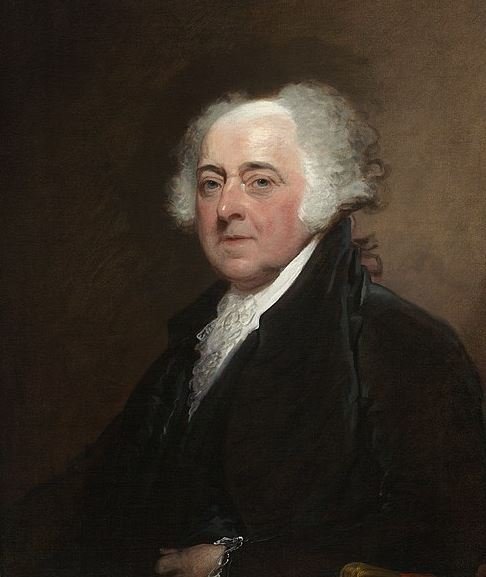
Image: Portrait of John Adams.
Approval and Finalization
On October 25, 1774, after extensive debate and amendments, the Continental Congress approved the final draft of the petition. The document was then engrossed and dispatched to England, accompanied by instructions for colonial agents in London to present it to the King.
Structure of the Petition
While the petition was not formally divided, its content can be analyzed into four sections:
- Introduction: Expressed loyalty to King George III and framed the grievances as a threat to the unity of the British Empire.
- List of Grievances: Highlighted colonial objections to policies such as taxation without representation, expanded Admiralty Court powers, and punitive actions against Massachusetts.
- Reasons for Attention: Argued that addressing these concerns would restore peace and prosperity to the empire.
- Conclusion: Reaffirmed the colonies’ hope for reconciliation and commitment to British unity if their grievances were addressed.
Delivery of the Petition
The delivery of the petition faced logistical delays. Initially sent aboard the ship Britannia on November 2, 1774, it had to return to port due to a storm. A second attempt was made on November 6 aboard the Mary and Elizabeth, which successfully delivered the document to London by December 14.
Upon arrival, colonial agents, including Benjamin Franklin, sought support for the petition among sympathetic British merchants and politicians. Despite these efforts, the petition struggled to gain attention amidst the growing political turmoil in Britain.
British Response and Rejection

Reception in Parliament
On January 19, 1775, the petition was presented to the House of Commons by Lord North and to the House of Lords the following day. However, it received little attention. Benjamin Franklin later observed that the petition was intermingled with a heap of other documents and lacked any special consideration or recommendation.
The King’s Silence
King George III refrained from issuing a formal response to the petition. This lack of acknowledgment deeply frustrated the colonists, who had hoped that the King would act as a mediator between Parliament and the colonies. Instead, his silence was interpreted as tacit approval of Parliament’s punitive measures, further alienating the colonies.

King George III was the last British monarch to reign over the Thirteen American Colonies.
Drafts and Versions
Three drafts of the petition survive, each reflecting the varied input of its authors:
- Patrick Henry’s Draft:
This version was rhetorically vivid, emphasizing the colonies’ grievances but less focused on affirming loyalty to the Crown. - Richard Henry Lee’s Draft:
Lee’s draft was concise and included sharp criticism of the King’s ministers. Its inflammatory tone likely led to its rejection by Congress. - John Dickinson’s Draft:
Dickinson’s version, a polished and balanced document, closely resembled the final version adopted by Congress. It blended expressions of loyalty with a detailed articulation of grievances.
Historical Significance

Expression of Loyalty
The Petition to the King underscored the colonies’ loyalty to King George III while rejecting Parliament’s authority to impose taxes and punitive measures. This distinction highlighted the colonies’ willingness to negotiate within the framework of the British Empire, even as tensions escalated.
Documentation of Grievances
The petition articulated colonial objections to British policies, including:
- Taxation without representation.
- Expansion of Admiralty Courts.
- Punitive measures against Massachusetts.
- Restrictions on colonial self-governance.
These grievances formed the foundation for later revolutionary arguments, as articulated in the Declaration of Independence.
A Last Attempt at Reconciliation
The petition represents a genuine effort by the colonies to avoid conflict. Its respectful tone and appeal for redress reflect the colonies’ preference for a peaceful resolution. However, the British government’s indifference to the petition reinforced colonial leaders’ belief that reconciliation was impossible under existing conditions.
Strengthening Revolutionary Sentiment
The rejection of the petition fueled resentment and strengthened support for independence. By failing to address colonial grievances, Britain alienated moderate colonists and bolstered the revolutionary cause. The petition’s failure set the stage for the drafting of the Declaration of Independence in 1776.
Legacy of the Petition
The Petition to the King holds a significant place in American history as a precursor to independence. It demonstrated the colonies’ organizational capabilities and their commitment to presenting a unified front. Its failure highlighted the futility of reconciliation, paving the way for the colonies to embrace the idea of sovereignty.
Conclusion
The Petition to the King represents a pivotal moment in the American Revolution, embodying the colonies’ last attempt at peaceful reconciliation with Britain. Drafted during a period of profound political and social upheaval, the petition reflects both the colonies’ loyalty to the Crown and their resolute opposition to Parliament’s policies. Its rejection by King George III and Parliament marked a turning point in colonial attitudes, solidifying the path toward independence.
Frequently Asked Questions

What events led to the drafting of the Petition to the King?
After the French and Indian War, Britain imposed taxes like the Stamp Act (1765) and Townshend Acts (1767) to manage war debts, leading to colonial resentment over taxation without representation. Tensions escalated with the Boston Tea Party (1773) and the punitive Coercive Acts (1774), prompting the colonies to draft the petition.
Who drafted the Petition to the King?
The petition was drafted by a committee of the First Continental Congress, including Richard Henry Lee, John Adams, Thomas Johnson, Patrick Henry, and John Rutledge, with Richard Henry Lee serving as chairman.
What was the purpose of the Petition to the King?
The petition aimed to articulate colonial grievances against policies like the Coercive Acts and taxation without representation, while pledging loyalty to King George III. The colonies hoped the King would mediate and restore harmony within the British Empire.
How was the Petition structured?
The petition can be divided into four sections:
- Introduction: Expressing loyalty to the King and concern for unity.
- List of Grievances: Highlighting objections to British policies.
- Reasons for Attention: Arguing the benefits of addressing colonial concerns.
- Conclusion: Reaffirming hopes for reconciliation.
What delays occurred during the delivery of the Petition to the King?
The petition was first sent aboard the ship Britannia on November 2, 1774, but returned due to a storm. A second copy was dispatched on November 6 aboard the Mary and Elizabeth and successfully arrived in London on December 14.
What was the British response to the Petition to the King?
The petition was presented to Parliament in January 1775 but received little attention. Benjamin Franklin noted that it was intermingled with other documents and lacked special consideration. King George III issued no formal response, further alienating the colonies.

Image: Benjamin Franklin
What were the three surviving drafts of the petition?
- Patrick Henry’s Draft: Focused on grievances with rhetorical flourishes but less on loyalty.
- Richard Henry Lee’s Draft: Brief and critical of the King’s ministers, likely rejected for its inflammatory tone.
- John Dickinson’s Draft: A polished version resembling the final adopted text, blending grievances and loyalty.
Why did the Petition to the King fail to achieve its goals?
The British government largely ignored the petition, viewing it as one among many documents. Parliament and the King were unwilling to address colonial grievances, reflecting a rigid stance that pushed the colonies closer to independence.
What is the historical significance of the Petition to the King?
The petition demonstrated the colonies’ initial desire to remain loyal to Britain while asserting their rights. Its rejection underscored the futility of reconciliation, strengthened revolutionary resolve, and paved the way for the Declaration of Independence in 1776.
What grievances were outlined in the Petition?
The petition objected to taxation without representation, expanded Admiralty Court powers, punitive measures against Massachusetts, and other policies viewed as threats to colonial rights and autonomy.
How did the Petition influence later revolutionary efforts?
The Petition to the King set a precedent for organized colonial efforts to address grievances. Its failure reinforced the need for independence, providing a framework for the Declaration of Independence and the revolutionary cause.